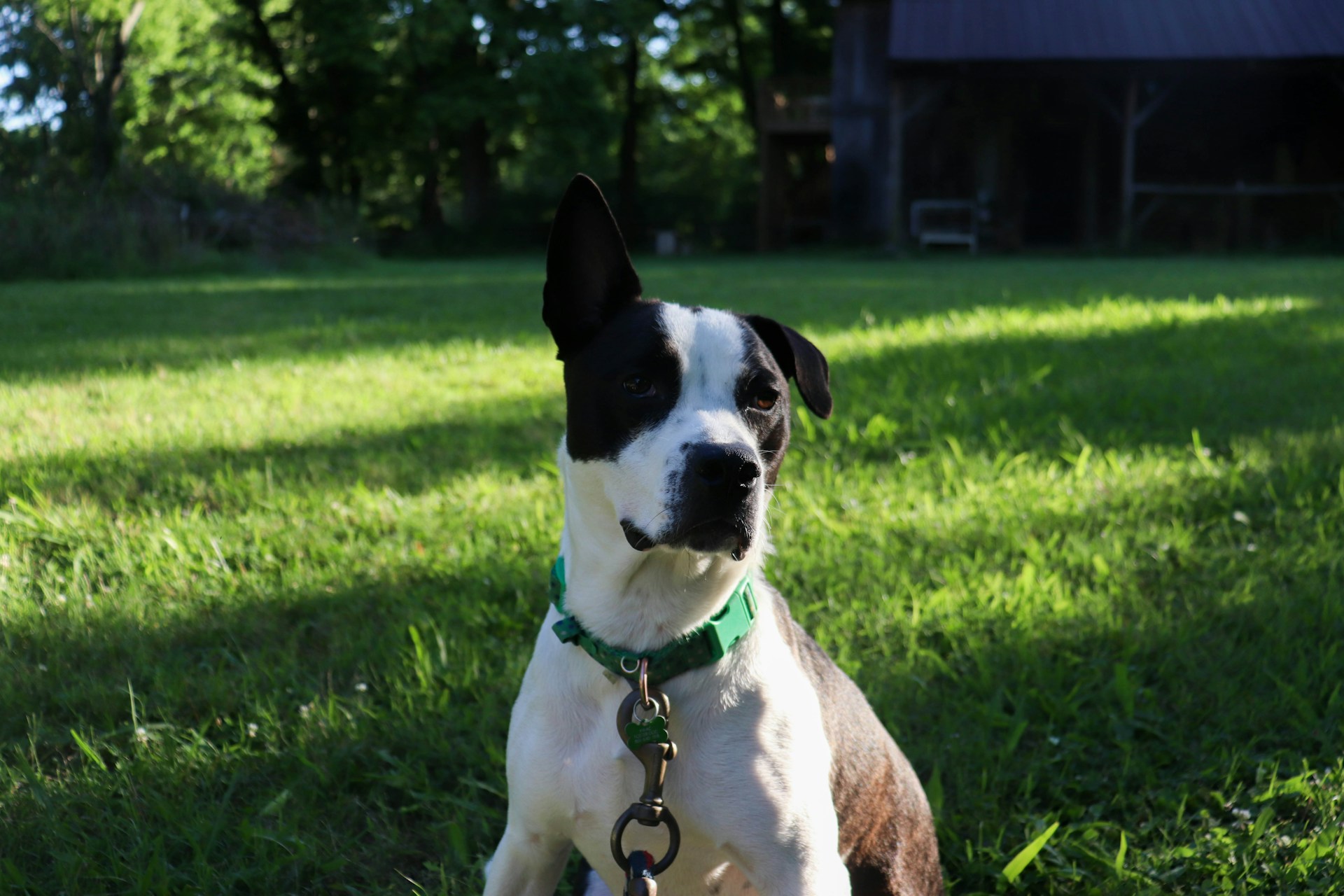

It usually starts with one moment you can't brush off. Your dog growls when your child walks past his food bowl. Or he lunges at a neighbor's dog so hard you nearly lose the leash. You know you need help, but you're not sure who to call. In the dog trainer vs. behaviorist question, a skilled trainer is a good first call for manners, leash skills, and many behavior problems. Your veterinarian belongs in the picture whenever a medical cause is possible, and a veterinary behaviorist fits severe or complex cases.
If the growl happened near food and a child, act now. Feed your dog behind a closed door or gate, away from children, and arrange a professional assessment.
The confusion about who to call is fair. The word "behaviorist" gets used loosely. Some people with that title hold graduate degrees. Some are veterinarians with years of specialty training. Others have picked up the word without any formal study at all. Picking the wrong type of help can cost you time, and sometimes it costs your dog progress.
By the end, you'll be able to match your dog's behavior to the right kind of professional. You'll know what each title means and which questions to ask before you hire anyone. You'll also know when it makes sense to bring your vet into the plan.
What Does Each Professional Do?
Each of the three main types of professionals handles a different layer of your dog's behavior. A trainer teaches skills. A behavior consultant digs into why a problem keeps happening, and an applied animal behaviorist does similar work with advanced academic training. A veterinary behaviorist looks at the dog's body and brain as part of the behavior picture. Many cases overlap, and good professionals work together.
Dog Trainers Teach Skills and Everyday Manners
A dog trainer teaches your dog what to do and teaches you how to ask for it. That covers sit, stay, come, loose-leash walking, polite greetings, and settling in the house. It also covers house training, puppy nipping, jumping, and barking at the door.
Good dog training is about two ends of the leash. The trainer shows you timing, clear cues, and which rewards your dog will work for. Then you practice between sessions. If you want a steady base of skills, basic obedience training is where most dogs start.
How fast a dog learns a cue, or how steadily he improves, doesn't reliably tell you what's behind a problem. A good trainer looks at the whole picture instead.
Many trainers also work on reactivity, guarding, and anxiety. The key is that a good trainer knows when a case needs another set of eyes.
Behaviorists Assess More Complex Behavior Problems
A behaviorist studies why a behavior happens and builds a plan to change it. In the formal sense, an applied animal behaviorist has a graduate degree in animal behavior. A certified behavior consultant has passed a review of their casework and knowledge. Both focus on problems like fear, aggression, phobias, and compulsive behavior.
This work often starts with a long history. They ask when the problem began and what happens right before it. They also ask how your dog acts in other settings. From there, they design a plan based on animal behavior science, and they coach you through it.
You might lean toward this level of help if your dog's behavior feels driven by fear or panic. It also fits cases where the problem has lasted a long time or keeps getting worse.
Veterinary Behaviorists Can Address Medical Factors
A veterinary behaviorist is a licensed veterinarian who has completed specialty training in behavior. They can examine your dog, run tests, and prescribe medication. No trainer or non-vet behaviorist can do those things. Your regular licensed veterinarian can also look into medical contributors and prescribe when appropriate. Veterinary behaviorists are specialists, not the only vets who can help. Their input can be useful for complex behavior even when medication isn't needed.
This matters because pain, thyroid problems, and other health issues can change how a dog acts. A dog with sore hips may snap when touched. A dog with a bladder problem may start having accidents. A veterinary behaviorist can sort out the medical side and the learned side together. They often work alongside a trainer, who then helps you carry out the daily practice at home.
Which Kind of Help Fits Your Dog's Situation?
The best way to choose is to look at what your dog does, how intense it is, and whether it changed suddenly. Below are three common situations and where each one usually points.
Dog Trainer vs. Behaviorist When Walks Become Difficult
For most pulling, barking, and lunging on walks, a skilled trainer is the right start. The dog trainer vs. behaviorist choice shifts when walks involve serious risk, intense fear, or a problem that isn't improving. You don't need to wait for any of those before talking to your vet.
Watch what your dog does in the few seconds before the reaction. Does he stiffen and stare? Does he whine and pull toward the other dog with a loose, wiggly body? Does he try to hide behind you first? These details help a professional tell frustration from fear.
Try these small changes on your next walk:
- Cross the street earlier when you see another dog.
- Note the distance where your dog stays loose and can still take a treat.
- Reward him for looking at the other dog, then back at you.
- Write down times, places, and triggers for a week.
If your dog calms down with more space, a trainer can build on that. For dogs who go after other dogs, dog aggression training for other dogs is a good next read. If your dog has bitten another dog or can't calm down even far away, add your vet to the team.
When Fear, Separation Anxiety, or Guarding Needs a Closer Look
Fear-based problems need a slower, more careful plan than basic manners do. That doesn't always mean you need a specialist. It does mean the person you hire should know how to read stress and move at your dog's pace.
Separation anxiety is a good example. Chewing a door frame while you're gone could come from boredom or from panic. A dog who drools, howls, or hurts himself trying to escape needs more than a puzzle toy. Training for separation anxiety uses tiny steps, and your dog's calm or stress at each step sets the pace.
Fear of strangers works the same way. Growling at guests may be a warning from a dog who feels trapped. Fear aggression in dogs often calls for behavior modification. That means changing how your dog feels about a trigger, not just what he does. Guarding food or toys is similar. Resource guarding training keeps people safe first, then builds trust around the bowl.
Signs that a closer look is needed:
- The behavior happens in many settings, not just one.
- Your dog seems scared, not just excited.
- Things got worse after you tried a common fix.
- Someone in the house now feels unsafe.
When Biting or a Sudden Change Calls for a Veterinarian
Any bite that breaks skin, or any sudden change in an adult dog, should start with a vet visit. A dog who was relaxed for years and now growls when you touch his back may be in pain. A house-trained dog who starts peeing indoors may have a medical problem, not a training gap.
Your regular vet can check for pain, infection, and other health issues. The American Veterinary Medical Association advises owners to consult a veterinarian when fear or aggression seems unprovoked or excessive. Your vet can also prescribe medication when appropriate, or refer you to a veterinary behaviorist for complex cases.
Training still has a place here. Once health issues are handled, a trainer helps you practice the plan day to day. Safety steps like baby gates and muzzle training can start right away.
What Do Credentials and Titles Actually Tell You?
Titles tell you what training someone has completed, not whether they're a good fit for your dog. No law in most places controls who can call themselves a dog trainer or a behaviorist. That puts the job of checking on you.
Trainer Certifications and Professional Memberships
The most common trainer certification in the U.S. is the Certified Professional Dog Trainer, Knowledge Assessed (CPDT-KA). The Certification Council for Professional Dog Trainers (CCPDT) runs it. To sit for the exam, a trainer needs at least 300 hours of dog training experience in the last 3 years. They must then pass a 200-question multiple-choice test.
Membership in a group like the Association of Professional Dog Trainers (APDT) is different. It shows a trainer is part of a professional community with access to ongoing education. Membership alone isn't a test of skill.
Many good trainers have no letters after their name. Experience, references, and the way a trainer explains their methods all tell you a lot. Steve's background, for example, includes training service dogs for Marines with PTSD. Ask any trainer about their real-world experience with problems like yours.
Behavior Consultants and Applied Animal Behaviorists
A dog behavior consultant works on complex cases like fear, anxiety, and aggression. The International Association of Animal Behavior Consultants (IAABC) awards the Certified Dog Behavior Consultant (CDBC) title. Applicants need three or more years of consulting experience with complex behavior cases. They also complete a writing-heavy exam with case studies. Certified members must earn 36 continuing education units every three years.
An applied animal behaviorist has more academic training. A Certified Applied Animal Behaviorist (CAAB) qualifies through relevant doctoral training. A veterinary degree plus additional behavior training and experience is another route. An Associate Certified Applied Animal Behaviorist (ACAAB) needs relevant master's-level training, along with other requirements. The Animal Behavior Society certifies both titles.
A certified dog behavior consultant, a CAAB, and an ACAAB can all design behavior plans. None of them can prescribe medication unless they're also a licensed vet.
How to Verify a Veterinary Behavior Specialist
A board-certified veterinary behaviorist uses the title Diplomate of the American College of Veterinary Behaviorists (DACVB). These vets complete a residency in behavior and pass a certifying exam. The American College of Veterinary Behaviorists keeps a public directory of its Diplomates.
If someone calls themselves a "veterinary behaviorist," check two things. First, confirm they hold a veterinary license. Second, look them up in the college's directory. A vet with an interest in behavior can still help your dog. They just aren't board certified.
What Should You Ask Before Choosing Someone?
The right questions show you how a professional thinks, not just what they've studied. Talk with more than one person if you can, and ask for references.
How Will They Assess the Behavior and Keep Everyone Safe?
A good professional wants the full story before starting any exercise. Expect questions about your dog's health, daily routine, triggers, and past training. They should also ask who lives in the home and who the dog reacts to.
Ask what they'll do in the first session if your dog gets upset. A careful answer includes giving the dog space and ending before he's overwhelmed. It also includes setting up safety steps you can use that same day. Examples are gates, a leash indoors, or keeping guests in another room.
Pay attention to how they talk about your dog. Someone who labels him "stubborn" or "dominant" after one phone call hasn't looked closely yet.
What Methods Will They Use, and When Will They Refer Out?
Ask them to describe a typical exercise for your dog's problem. Listen for tools like positive reinforcement, which means rewarding the behavior you want. Also listen for desensitization, which means showing a trigger at a level too low to cause a reaction. Counter-conditioning pairs that trigger with something your dog loves. Over time, his feelings about it change.
Methods that rely on fear or pain can make fear-based problems worse. If you're weighing different advice, positive reinforcement vs. dominance training explains the difference in everyday terms.
Then ask when they'd send you to a vet or a veterinary behaviorist. A confident answer is a good sign. Professionals who know their limits protect your dog.
How Will You Practice Between Private, In-Home Sessions?
Most change happens in the days between sessions, so ask what your homework will look like. Private dog training should leave you with clear steps, not vague tips. You should know what to practice and how long to practice it. You should also know what to do if your dog struggles.
Dog training at home has a real advantage for many behavior problems. Your dog barks at your door and guards your couch, not a training room's. A trainer who sees the real setting can adjust the plan to fit your hallway, your yard, and your family's schedule. Ask how you can share updates between visits, and how the plan will change if your dog moves faster or slower.
Frequently Asked Questions
Do I Need a Dog Trainer or a Behaviorist for My Puppy?
Most puppies need a trainer, not a behaviorist. House training, nipping, and early leash skills are normal learning tasks. If your puppy shows intense fear or hard, frequent biting that doesn't ease with practice, talk to your vet.
Should I See a Veterinarian Before Hiring a Dog Behaviorist?
Yes, especially if the behavior started suddenly or includes biting. Pain and illness can change how a dog acts, and only a vet can rule those out. A vet visit also gives any trainer or behaviorist useful health information to plan around.
Can a Dog Trainer Help With Separation Anxiety?
Yes, a trainer experienced with anxiety can guide the slow, step-by-step practice it needs. Severe cases with self-injury or nonstop panic also need your vet, who can look for medical factors and prescribe when medication would help. Many dogs do best when the trainer and vet work together.
Is a Dog Behavior Consultant the Same as a Veterinary Behaviorist?
No. A dog behavior consultant builds behavior plans but can't diagnose illness or prescribe medication. A veterinary behaviorist is a licensed vet with specialty training who can do both.
How Much Does a Dog Behaviorist Cost?
Prices vary by region, title, and what's included, so ask each professional directly. Useful questions cover the first consultation fee, follow-up costs, and what support comes between visits, such as check-ins or a written plan. Trainer prices, like Steve's $210 in-home and $145 online sessions, are a different service and can't tell you what a specialist will charge.
Choose Support That Fits the Problem, Not Just the Title
The best help is the person whose skills match what your dog is going through right now. For manners, leash work, and many behavior problems, a skilled trainer who coaches you at home is a strong starting point. For sudden changes, bites, or deep panic, bring in your vet first. Your vet can prescribe when appropriate, and a veterinary behaviorist can help with complex cases, with or without medication.
Your dog's response guides the next step. If he relaxes and learns as you practice, keep building. If he stays scared or gets worse, widen the team. Many owners end up using both a vet and a trainer, each doing their own part.
If your dog's walks, guests, or time alone still feel stressful, a one-on-one session in your home is a calm place to begin. Steve Good Dog offers a 1.5-hour starting session for new clients at $250. You can ask about in-home training for your dog and describe what your dog is doing.

Personal dog trainer in Southington, Connecticut. Ten years of experience, more than 2,000 dogs trained, and a background training service dogs for Marines with PTSD.