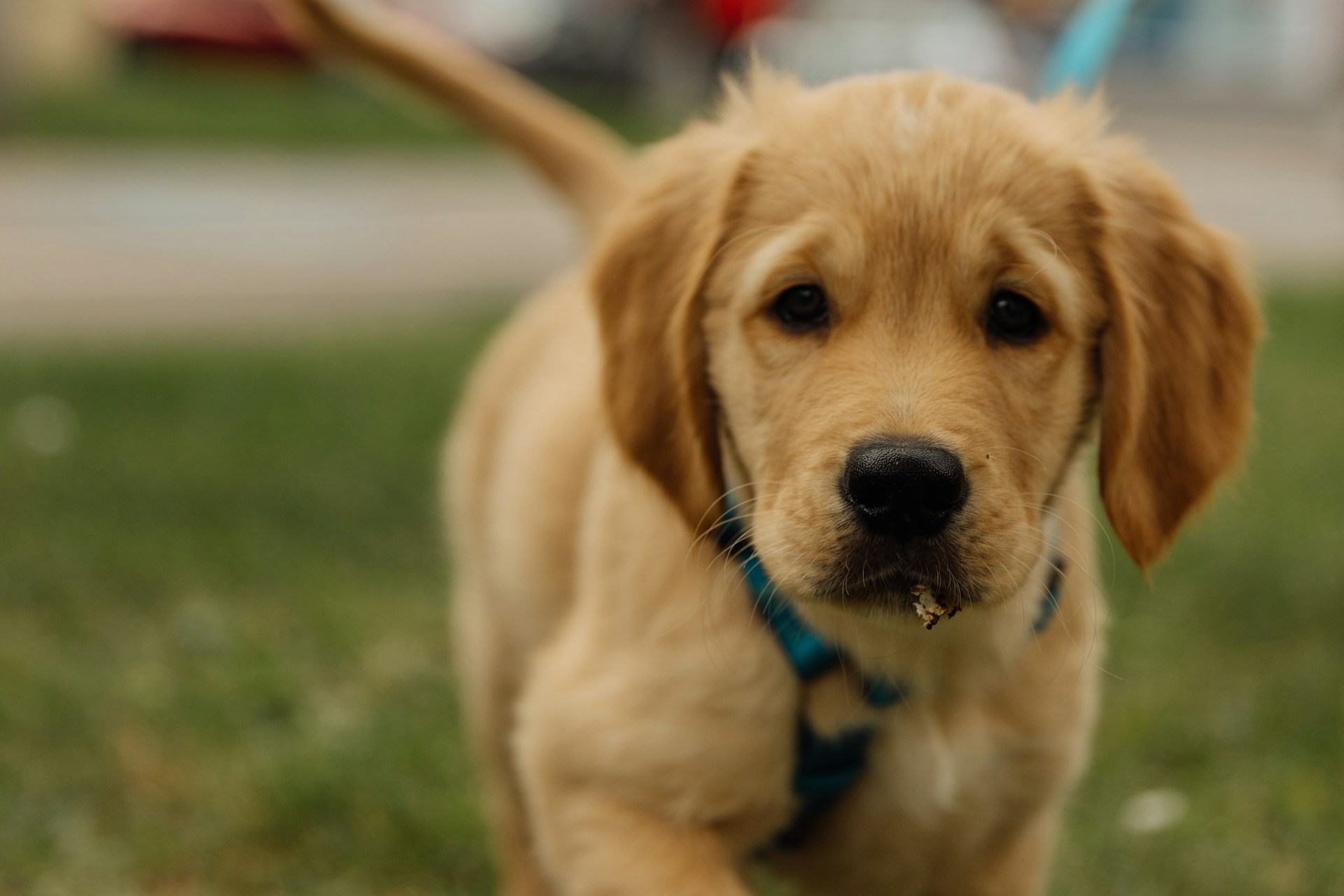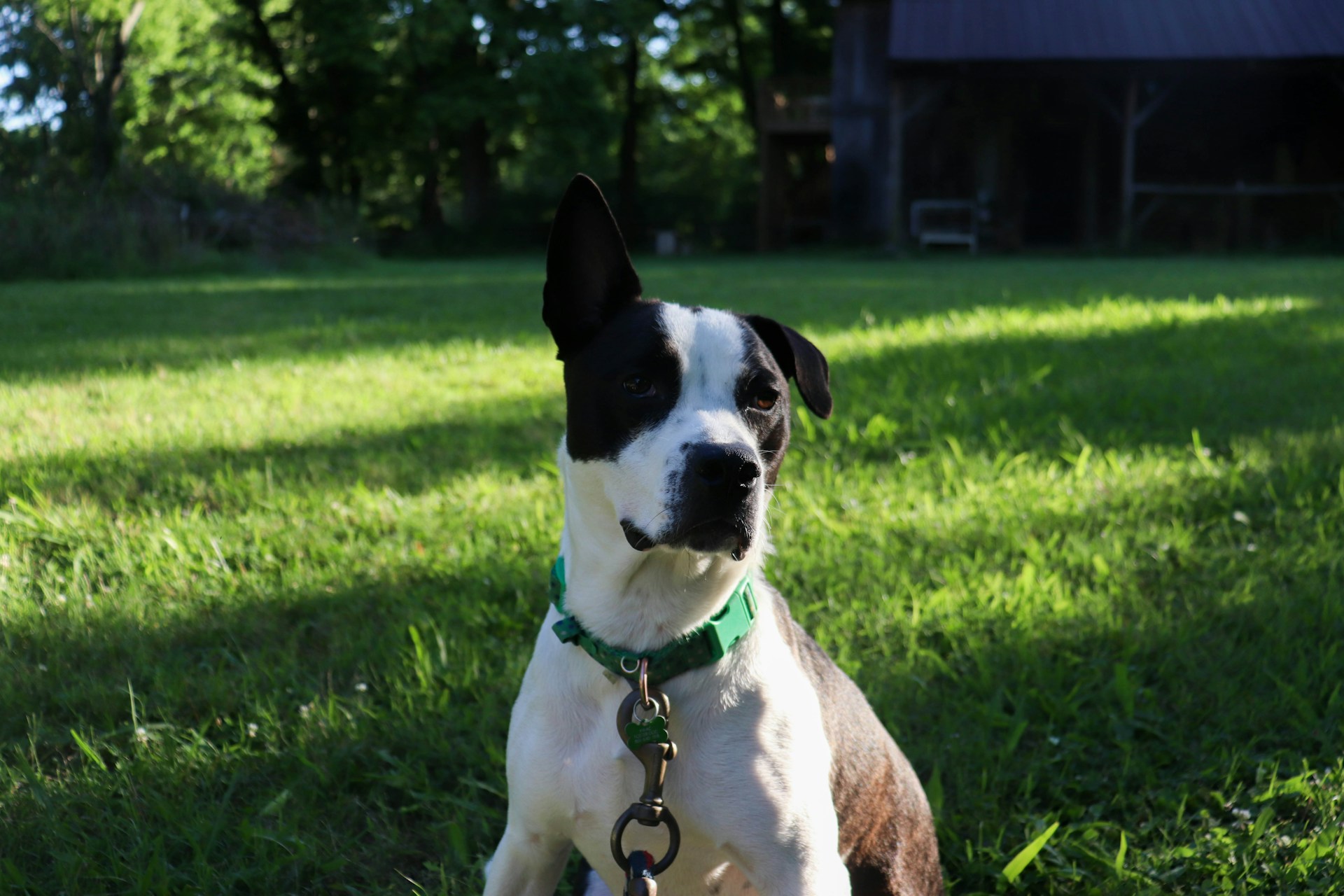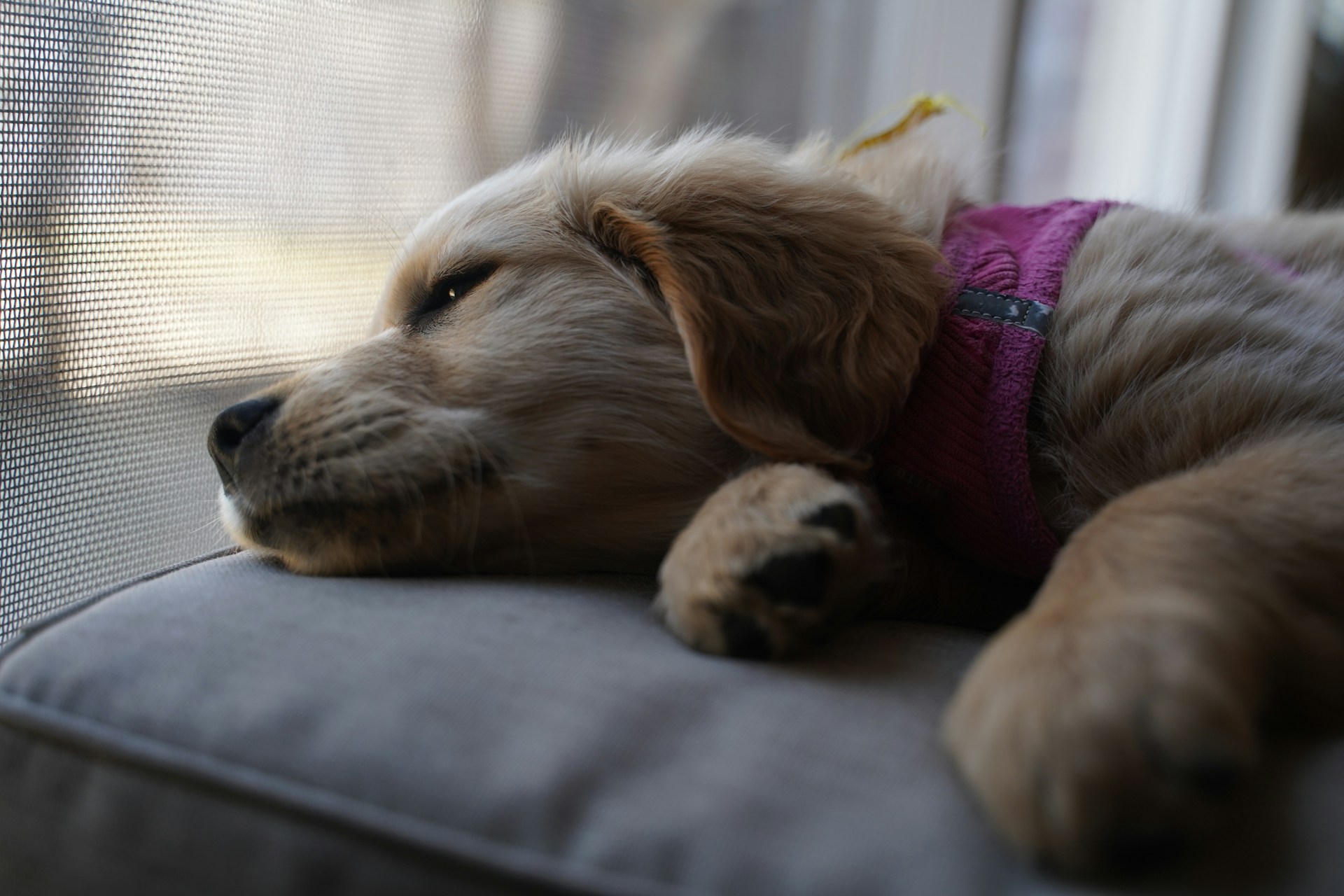
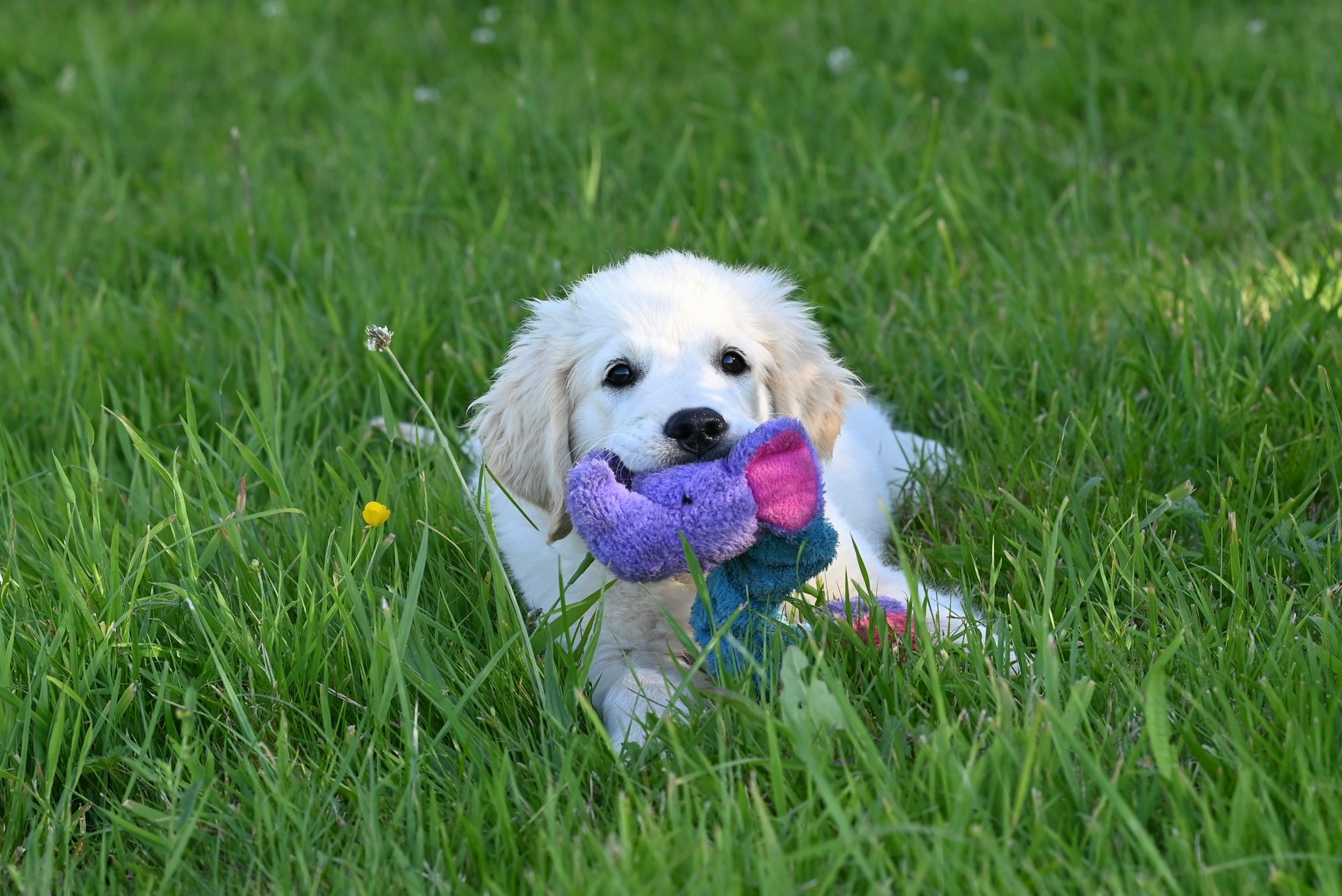
Picture two puppy classes on a Saturday morning. In one, eight puppies wrestle in a pen while owners chat along the wall. In the other, a trainer pauses play every minute or so, helps a nervous puppy watch from behind a gate, and shows each owner how to reward a calm look at a stranger. Both might appear when you search for puppy socialization classes near me, and both might call themselves socialization.
For most puppy owners around Southington and Central Connecticut, the right fit is a small, well-supervised class where owners learn to read and reward their puppy, paired with calm practice at home and around town. For a hesitant puppy, or a household that needs help with leash manners and routines first, private in-home training can be a strong starting point that supports that wider plan.
Steve Good Dog offers one-on-one in-home and online training in Central Connecticut (not group classes). Private sessions and group settings each add something different. By the end, you will know what your puppy should be learning, which questions to ask a class, and how to tell which setting your puppy can handle right now.
What Should Your Puppy Learn Beyond Playing with Other Dogs?
Your puppy should learn that the world is safe and predictable, and that includes people, noises, footing, and being touched. Playing with other puppies is one piece of that. A puppy who only learns to wrestle may still panic at a vacuum, a slick vet table, or a child running past.
Socialization means helping your puppy feel comfortable with other animals, people, places, and activities. The window when puppies are most open to this runs roughly from 3 to 14 weeks of age, so early experiences carry extra weight.
Positive Experiences with People, Sounds, Surfaces, and Handling
A good puppy social plan covers the whole life your dog will live in Connecticut. That means snowy sidewalks, busy porches, school pickup lines, and visits to the groomer.
Here are areas worth building into your week:
- People: adults in hats, men with beards, kids at a safe distance, people using canes or strollers.
- Sounds: doorbells, trash trucks, thunder recordings at low volume, the dishwasher.
- Surfaces: grass, gravel, wet leaves, metal grates, carpet, tile, a wobbly cushion.
- Handling: gentle touches to ears, paws, and mouth, a brush, a towel after rain.
Watch what your puppy does during each one. A loose body, sniffing, and taking treats suggest the level is fine. Freezing, a tucked tail, or refusing food can be signs to add distance or lower the intensity next time. Read those signals together and in context, since one signal on its own tells you only part of the story.
Why Supervised Play Is Only One Part of Socialization
Play teaches bite control and dog body language, but only when it stays balanced. If one puppy always chases and another always hides, neither learns much that helps later.
Look for short play bursts with breaks, where each puppy settles and checks in with its owner. A puppy who can stop playing and come back to you is learning something useful for the dog park, the vet lobby, and the sidewalk. A puppy who is bowled over every session may be learning that other dogs are scary.
How Do You Compare Puppy Socialization Classes Near Me?
Compare classes by watching one before you enroll, then asking how the trainer handles stress, space, health rules, and owner coaching. A great flyer tells you little. Ten minutes of observation tells you a lot about any puppy program.
When you search for puppy socialization classes near me, you will find many options across Hartford and New Haven counties. Use the questions below to sort them by how they run, since price and location tell only part of the story.
What Does the Trainer Do When a Puppy Seems Overwhelmed?
A skilled trainer spots stress early and changes the setup before the puppy has to escalate. That might mean a visual barrier, a quieter corner, or a smaller play group with one gentle partner.
Ask directly, "What happens if my puppy hides under my chair?" A good answer sounds like letting the puppy watch, rewarding calm curiosity, and allowing the puppy to leave if uncomfortable. Be cautious of answers like "they'll get over it" or pushing a scared puppy into the group.
Methods matter here too. Classes built on positive reinforcement reward the behavior you want, like a calm look or a return to the owner. If you want the difference explained, read about positive reinforcement vs dominance training.
How Are Play Groups, Space, and Vaccination Requirements Managed?
Well-run classes match puppies by size and play style, keep groups small, and give each puppy room to step away. Puppies carry higher disease risk because their immune systems are still developing and they lick and chew everything.
Safer group settings take practical steps, such as requiring proof of vaccination and limiting group sizes. Useful questions to ask:
- What vaccine records do you require, and do you check them?
- How many puppies attend each session, and how many helpers are present?
- How do you clean floors and shared toys between classes?
- Do you separate small or shy puppies during play?
Does the Program Teach Owners Skills to Practice at Home?
The best classes spend as much time coaching you as they do managing the puppies. You should leave each session with one or two skills to practice, like a name response, a hand target, or calm greetings.
Ask whether you will practice with your own puppy in class. Hands-on practice helps skills carry home, because you've already rehearsed them with your own puppy. Solid dog training gives you timing and reward skills you can use the same evening in your kitchen.
When Can Your Puppy Start, and How Can You Practice Safely?
Many puppies can begin a carefully managed class once your veterinarian approves it, even before every vaccine is complete. In the meantime, safe outings and home practice keep socialization moving.
Ask Your Veterinarian About Appropriate Group Settings
Your vet knows your puppy's vaccine schedule, health, and local disease risks. Bring the class's health rules to your appointment and ask whether that setting fits your puppy's current stage.
Until your vet says otherwise, keep a not-fully-vaccinated puppy away from dogs with unknown vaccine status. That also means skipping places those dogs visit, like busy parks and rest stops. A clean class with checked records is a different setting from an open dog park.
Build Confidence Through Manageable Outings Between Sessions
Short, easy outings fill the gaps between classes. Carry your puppy into a hardware store, sit on a bench outside a Southington coffee shop, or watch traffic from a parked car. Stay in the car with your puppy the whole time, and keep it at a safe temperature; a cracked window alone isn't enough.
Try this simple routine for each outing:
- Pick one new thing, such as a shopping cart or a jogger.
- Start far enough away that your puppy still takes treats.
- Reward each calm look, then let your puppy sniff or look away.
- Leave after a few minutes while your puppy is still relaxed.
If your puppy eats and explores, try a little closer next time. If your puppy stops eating or tries to hide, go back to the easier distance. For more ways to grow this, see these tips on how to build confidence in a dog, and keep early puppy training sessions short.
When Might In-Home Training Be a Helpful Starting Point?
In-home training can be a helpful starting point when your puppy is too worried to learn in a group. It can also help when daily household problems need attention first. Private sessions happen where the behavior shows up, like your front door, your yard, and your street.
Helping a Hesitant Puppy Without Forcing Group Play
Some puppies spend a whole class trembling under a chair. Returning each week and hoping it improves can teach them that classes feel bad.
In a private setting, you can work on calm responses to one new person or one sound at a time. Once your puppy recovers quickly and stays curious, a small class becomes a reasonable next step. This guide on how to train a shy dog covers more ways to support a cautious personality.
Working on Leash Manners, Potty Habits, and Household Routines
Group classes usually focus on skills the whole group shares. That leaves less time for potty training accidents on your rug or a puppy who pulls toward every neighbor. These everyday habits shape how relaxed your home feels.
Private work lets you practice leash walking on your actual block, set up a potty schedule that fits your family's workday, and get everyone using the same cues. Early leash skills also help prevent frustration on walks that can grow into leash reactivity later. For step-by-step help, read how to leash train a puppy and these puppy training tips for first-time owners.
How Private Sessions Complement a Wider Socialization Plan
Private training supports a wider socialization plan; it does not replace every social experience. Your puppy still benefits from safe time around other dogs, new places, and many kinds of people.
Steve's sessions focus on training both ends of the leash. He works directly with the dog and shows owners how to use clear cues, good timing, and the right rewards between visits. That skill set makes any class, outing, or vet visit go more smoothly. As your puppy grows, the same foundation carries into dog obedience training for sit, stay, and coming when called.
What Does One-on-One Training Cost in Central Connecticut?
Steve Good Dog publishes its session prices:
- Starting session for new clients: $250 for 1.5 hours
- One-hour in-home session: $210
- One-hour online or remote session: $145
Steve serves Southington, Cheshire, Meriden, Plainville, Bristol, Wolcott, Berlin, and nearby towns. Reviewers often describe the cost as worthwhile because they left with tools to keep teaching their dogs.
Frequently Asked Questions
When Should My Puppy Start Socialization Classes?
Most puppies can start once your veterinarian approves a specific class, often while the vaccine series is still underway. Socialization at home and on safe outings can begin as soon as your puppy comes home.
Does My Puppy Need to Finish Every Vaccine Before Attending a Class?
Not always, since many well-run classes accept puppies partway through their vaccines with proof of shots given so far. Ask your vet whether a particular class's health rules fit your puppy's stage.
Are Puppy Socialization Classes the Same as Obedience Classes?
No, socialization classes focus on comfort with dogs, people, sounds, and handling, while obedience classes focus on cues like sit, stay, and come. Many puppy classes blend a little of both.
Can Private Training Help if My Puppy Is Scared of Other Dogs?
Yes, private training lets you build calm responses at a distance your puppy can handle, without pressure from a group. As confidence grows, you can add controlled meetings with a calm, healthy dog.
How Do I Find a Suitable Puppy Class Near Southington, CT?
Ask your veterinarian and local dog owners for class names, then visit a session before you sign up. Look for small groups, checked vaccine records, trainers who adjust for stressed puppies, and hands-on owner coaching.
Choose Experiences Your Puppy Can Handle
The right socialization choice is whichever setting lets your puppy stay curious and keep learning. Go back to those two Saturday classes: the better one watches every puppy and coaches every owner.
Watch your puppy's response and let it guide your next step. Relaxed and eating usually means you can add a little challenge. Hiding or refusing treats is a sign to make things easier, whether that is a quieter class, more distance, or private practice at home.
If your puppy is struggling in groups, or your household needs help with leash walking and routines, a one-on-one session in your own home can give you a clear plan. You can ask about private puppy training at home and describe what you are seeing.
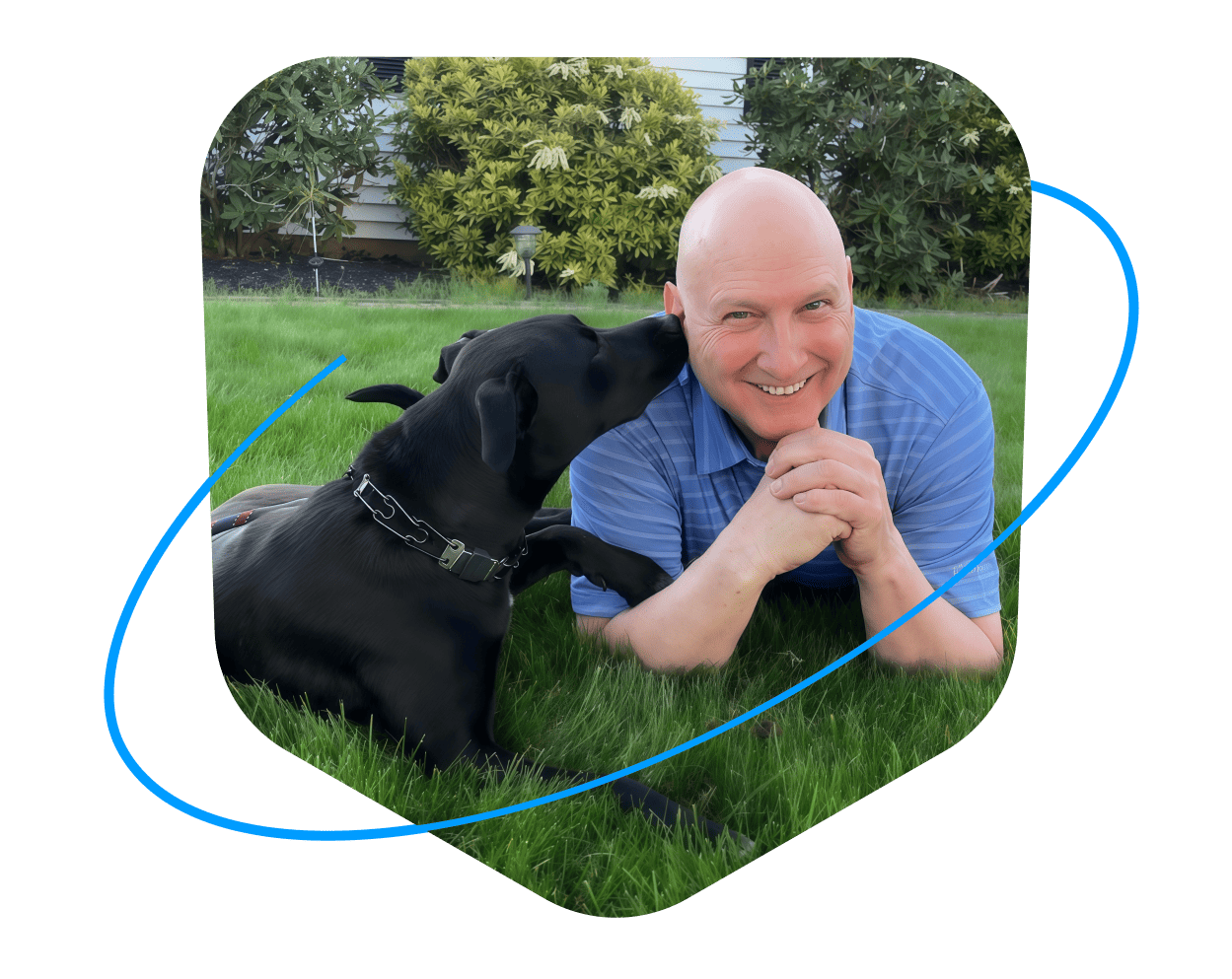
Personal dog trainer in Southington, Connecticut. Ten years of experience, more than 2,000 dogs trained, and a background training service dogs for Marines with PTSD.