
Your puppy is stretched out and calm one minute. The next, those needle teeth are locked onto your sleeve, your fingers, or the back of your ankle as you walk to the kitchen. If you are searching for how to stop puppy nipping, you already know the hard part: the harder you pull away, the more fun the game seems to get.
A practical way to reduce nipping is to make your hands, clothes, and feet boring when teeth land, then give your puppy a toy and reward the gentle play that follows. Pair that with good rest, planned play, and the same response from every person in the house, and many puppies start choosing toys over skin.
Nipping is a normal part of puppy behavior, and it still needs guidance. You will learn what to do in the moment and why the grabbing happens when it does. You will also learn how to teach a softer mouth, and how to tell ordinary play biting from biting that needs a closer look.
What Should You Do the Moment Your Puppy Nips?
Stillness, a toy, and a brief break are your main options, and your puppy's response tells you which to use. Those first seconds shape what your puppy learns about grabbing people. Here is how to handle each part.
Stay Still and Keep Hands or Clothing from Becoming a Game
When teeth touch skin or fabric, pause your movement for a moment. Jerking away looks like prey trying to escape, and many puppies lunge forward to catch it again. If the bite hurts, gets harder, or doesn't stop, calmly move away and put a gate between you.
Guidance on mouthing, nipping and biting in puppies from the ASPCA warns against jerking hands or feet away for this reason. It also warns against waving fingers in a puppy's face to start play.
Watch what your puppy does next:
- Lets go and looks at you: Praise softly and offer a toy right away.
- Grabs harder or tugs on your sleeve: Calmly disengage and step behind a gate, or leave the room for 30 to 60 seconds.
- Keeps coming back after a short break: Your puppy may be overtired or overexcited. That calls for rest, which comes up below.
Offer a Toy, Then Reward Gentle Play
A puppy who wants to bite needs something legal to bite. Keep a soft tug toy or long rope toy in your pocket or within arm's reach in every room where you spend time together. Long toys work well because they keep your fingers away from the action. Supervise rope toys, and put them away if your puppy starts tearing off or swallowing strands.
When your puppy grabs the toy, come back to life. Play tug, praise, and keep the game going. Your puppy learns that teeth on the toy make fun continue, while teeth on you make fun stop. Offer toys before nipping starts, too, and begin games while your puppy is calm. That way, grabbing you doesn't become the reliable way to start a great game.
If your puppy drops the toy and goes back to your hand, make the toy more exciting. Drag it along the floor or toss it a short distance. Some puppies ignore a still toy but chase one that moves like a small animal.
How to Stop Puppy Nipping During Evening Play
Evening is when many owners get the worst of it. Your puppy has had a long day, the family is home, and energy spikes right before bedtime. Knowing how to stop puppy nipping at this hour starts with planning for it.
Try this routine for the hour before the usual nipping starts:
- Take your puppy out for a potty break and a short sniff walk.
- Play 5 to 10 minutes of tug or fetch with a toy.
- Offer a chew or stuffed food toy on a mat or in a pen while you stay nearby to supervise.
- Lower the lights and noise so your puppy can settle.
If nipping still ramps up, notice when it starts. A puppy who bites harder after 20 minutes of play may need shorter play sessions. A puppy who nips as soon as the kids come home may need a calmer greeting routine.
Why Does Your Puppy Grab Hands, Clothes, or Ankles?
Puppies explore the world with their mouths, and people are one of the most interesting things around them. Dog mouthing is normal, but the timing tells you a lot. The same puppy may nip for different reasons in the morning than at night.
Play, Movement, and Attention
Puppies play with each other by chasing, pouncing, and biting. When your puppy grabs your hand, it is often an invitation to play the same way. Moving feet, swinging bathrobe belts, and loose sleeves look a lot like a playmate running away.
This explains why so many owners notice puppy jumping and biting as they walk around the house. Your ankles are moving, your puppy is excited, and you react. Even a squeal or a laugh can feel like a reward to a puppy who wanted attention.
To learn what drives your own puppy, keep simple notes for a few days:
- What time the nipping happened
- What you were doing (walking, petting, sitting on the floor)
- How long since your puppy last slept or ate
- Whether the nipping stopped when you went still
Patterns show up fast. Many puppies turn out to nip most during petting, busy moments, or right before a nap.
Teething, Tiredness, and Too Much Excitement
Puppy teething adds another layer. As baby teeth fall out and adult puppy teeth come in, chewing helps ease the soreness. The ASPCA explains that this intense chewing phase usually ends by six months. Frozen toys or a cold, wet washcloth can soothe sore gums. Supervise, and take the cloth away if your puppy starts tearing off or swallowing pieces.
Tiredness is easy to miss. Young puppies need a lot of sleep, and an overtired puppy acts wild, not sleepy. Puppy biting hard, spinning, and grabbing clothes can all show up right before a puppy crashes.
Too much excitement looks similar. Wrestling, rough play with hands, or several people playing at once can push a puppy past the point of control. If you see a pattern like this, the fix may be a nap in a quiet pen, not more training.
How Can You Teach a Puppy to Play Without Teeth on People?
You teach it in two stages. First your puppy learns to soften the bite. Then your puppy learns that teeth belong on toys. Both depend on short practice sessions and the same rules from everyone at home.
Practice Short, Consistent Bite Inhibition Lessons
Bite inhibition training means teaching your puppy to control how hard the mouth closes. Puppies learn this from each other. When one bites too hard, the other yelps and stops playing, and the game resumes once things calm down.
You can copy that lesson at home. The goal isn't to invite bites on your hands; it's to respond well when teeth land by accident. Adults should handle these lessons, not children.
- Play gently with your puppy, keeping a toy between your hands and your puppy.
- If teeth land hard, say "ouch" in a calm voice and calmly move your hand away.
- Pause for 10 to 20 seconds, or step away if your puppy keeps grabbing.
- Come back and invite play again.
- Once hard bites fade, start pausing for medium bites, then for any teeth on skin.
Keep lessons short, a few minutes at a time. If a yelp makes your puppy more excited, skip it. Just go still and take the short break. Every puppy reacts a little differently, so let your puppy's response guide which version you use.
Plan for Busy Rooms, Moving Feet, and Visitors
Most puppy nipping and biting happens in predictable places: the kitchen during dinner prep, the hallway, the front door. Plan for those spots before the problem starts.
For ankle biting, keep a tug toy in your pocket. When your puppy ambushes your feet, stop walking, offer the toy, and start moving again once the toy is in your puppy's mouth. Over time, your puppy learns that watching you walk is calm and the toy is where the fun is.
For visitors, use a gate, a pen, or a leash for the first few minutes. Let guests toss a treat or a toy low to the floor. A slow, calm hello works better than a crowd of hands reaching down. If your puppy is still learning to meet new people, this guide to choosing puppy socialization classes can help you plan safe ways to build those skills.
Give Everyone in the Household the Same Response
Puppies learn from patterns. If one person freezes and another laughs and wrestles, your puppy learns that some people are chew toys. This is one of the most common reasons nipping hangs on longer than it should.
Agree on a few simple house rules:
- No hand wrestling or games that invite biting
- Freeze when teeth touch skin or clothes
- A toy comes out every time
- A short break follows repeated grabbing
Kids need extra help here, since running and squealing make puppies more excited. Children should not run nipping lessons themselves. Adults should supervise puppy and child together, step in early, and separate them with a gate or pen when needed. Teaching kids to "be a tree" (stand still, arms folded, and call an adult) gives them a simple response in the moment. It isn't the household's safety plan, though. For more on setting up the whole house for success, these puppy training tips for first-time owners cover routines, rest, and early habits.
Nipping often gets easier once the puppy learns other skills too. A sit or a "find it" gives you something to ask for when excitement starts to build.
When Is Biting More Than Play?
Most puppy biting is playful, but some biting is a sign of fear, pain, or frustration. The difference shows in your puppy's body, the setting, and how the bites feel.
Notice Fear, Stiffness, Injuries, or Biting Outside Play
Playful puppies usually look loose and wiggly. Their faces are relaxed, even when their mouths are busy. A puppy who is upset may look very different.
Watch for these signs:
- A stiff or frozen body before or during the bite
- Lips pulled back, growling, or a hard stare
- Biting when being held, brushed, or touched in one spot
- Bites that break skin or leave deep bruises
- Biting that happens outside of play, such as around food or a resting spot
Pain deserves a closer look. If your puppy snaps when a certain area is touched, or the biting changes suddenly, talk to your veterinarian.
Biting that appears around bowls, toys, or beds may be a different problem entirely. That pattern is covered in this guide to resource guarding training. Never punish a puppy who shows fear. Hitting, scruff shaking, or tapping the nose can make a scared puppy more likely to bite.
Get Individual Help for Biting That Escalates or Persists
If biting grows harder, happens more often, or starts to scare anyone in your home, it is time to bring in a professional dog trainer. The same applies if your puppy stiffens, growls, or bites during handling. Get an assessment when those episodes persist, escalate, may involve pain, or make anyone unsafe.
A professional can watch your puppy in real situations and help you sort play from stress. In-home, one-on-one work helps here because the nipping happens in your hallway and your living room, so that is where it makes sense to coach it. For a broader look at this topic, this guide on how to stop a dog from biting covers biting beyond the puppy stage.
Look for a dog trainer who uses reward-based methods and explains the "why" behind each step. This comparison of positive reinforcement vs dominance training explains why fear-based corrections tend to backfire with mouthy puppies.
Frequently Asked Questions
At What Age Does a Puppy Stop Nipping?
There is no set age, because nipping fades with training, not just time. Teething chewing tends to ease as adult teeth come in, but play biting can continue if it keeps getting a reaction. Steady practice makes the biggest difference.
Why Does My Puppy Jump and Bite When I Walk Around the House?
Moving feet and loose clothing look like a game of chase to many puppies. Stop walking, offer a tug toy, and start moving again once your puppy grabs the toy. Also check whether your puppy is overtired, since jumping and biting often spike before a nap.
What if My Puppy Keeps Biting Even When I Offer a Toy?
Your puppy may be too tired or too wound up to switch to a toy. Try a calm break in a pen with a chew while you supervise, then play again later. If the biting hurts or won't stop, step behind a gate. If the biting stays intense, a trainer can help you spot the pattern.
How Can I Prevent My Puppy from Nipping Visitors?
Use a gate or leash for the first few minutes and ask guests to toss treats low to the floor. Keep greetings short and calm, and have a toy ready. Let your puppy approach at their own pace.
Should I Tap My Puppy on the Nose When They Bite?
No. Physical corrections like nose taps can make puppies bite harder or grow afraid of hands. Freezing, redirecting to a toy, and taking short breaks teach the lesson without hurting trust.
Make Gentle Choices Easier Every Day
Your puppy's sharp teeth are not a sign that something is wrong with your dog or with you. They are a sign that your puppy is still learning where teeth belong. Each time you freeze, offer a toy, and reward soft play, you make gentle play the easier choice.
Go back to that moment in the kitchen when teeth grab your ankle. Now you have a plan: stop moving, reach for the toy, and check how long it has been since your puppy last napped. Small, steady responses like that add up over weeks.
If nipping still has your household on edge, you do not have to sort it out alone. Steve Good Dog offers private sessions in your own home, and building foundation skills through dog obedience training gives your puppy more ways to succeed. You can ask about in-home help with puppy nipping, describe what your puppy is doing, and find out how he would approach it.
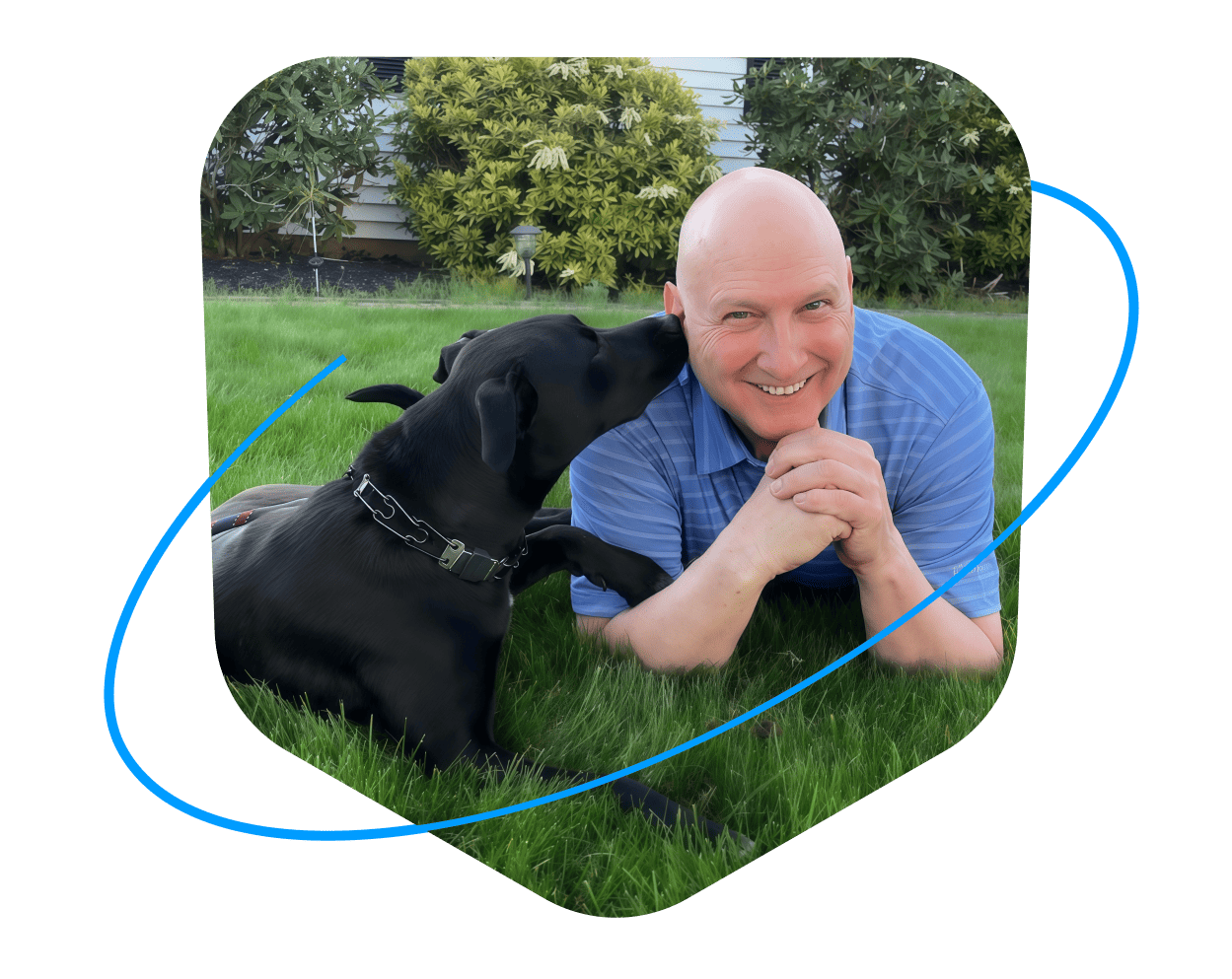
Personal dog trainer in Southington, Connecticut. Ten years of experience, more than 2,000 dogs trained, and a background training service dogs for Marines with PTSD.