The worst part of a bite is often the few minutes afterward. Your hand is bleeding or a guest is shaken, and your dog is still in the room, maybe hiding or stiff. You are wondering whether this was a fluke or the start of something worse. Knowing how to stop a dog from biting starts right there, with what you do next.
The first job after a bite or a clear warning is to prevent the next incident: separate the dog, treat any injury, and get your dog assessed before you try training exercises. Drills come later. A dog who has bitten needs a safer home setup and a vet check first. Then a plan built around the situations where the trouble shows up. Real progress starts when owners stop testing their dog and start managing the risk.
You will learn how to handle the first hour, and how to read warning signs without provoking them. You will also see who should assess your dog and what an individual plan can realistically change. Last, you will learn how to tell a hard bite apart from ordinary puppy mouthing, which calls for a very different response.
What Should You Do Right After a Bite?
Right after a bite, calmly get your dog away from the person or animal, check the injury, and keep things quiet until everyone is safe. Punishment, yelling, or a lesson in the moment will not help. Your dog is likely still aroused, and anything that adds pressure raises the odds of a second bite.
Separate Your Dog From People and Other Animals Without Confrontation
Move your dog to a closed room, a crate, or behind a gate with as little handling as possible. If your dog knows a cue like "come" or "go to your bed," use it in a normal voice. Tossing a few treats into the room and closing the door also works.
Avoid grabbing the collar or reaching over the dog's head if you can. A dog who is still upset may turn and bite the hand that holds them. This is common when people pull apart a dog who is fighting or fixed on a target.
Watch how your dog settles over the next half hour:
- Does your dog lie down, sigh, and rest?
- Is your dog pacing, panting, or staring at the door?
- Does your dog growl when someone walks past the room?
A dog who stays wound up needs more time and more distance. Leave them alone until their body looks loose again.
Get Medical Care for a Bite That Breaks Skin
Wash any wound right away with soap and running water, then have a doctor look at it. Bites can damage nerves or tendons and often get infected. The CDC notes that prompt, gentle wound cleaning significantly lowers infection risk, and it also matters for rabies prevention.
Have your dog's rabies records ready. If your dog bit someone else, give that person your name, phone number, and vaccine details. Contact your local animal control officer or local health department for the reporting and rabies instructions that apply. Follow what they ask. Your dog may need to be watched for a set period, even if their shots are current.
Prevent Another Incident While You Arrange Help
Until your dog has been assessed, your goal is simple: no more chances to bite. Write down the situation that led to the bite. Then block that situation from happening again.
Useful short-term steps include:
- Keep your dog in a separate room when guests visit.
- Feed meals and give chews behind a closed door or gate.
- Keep children and your dog securely separated, with a closed door, crate, or gate, until a professional has assessed your dog. Supervision alone is not enough after concerning biting.
- Use a leash indoors if your dog needs to be moved often.
- Skip grooming, nail trims, and any other handling that caused trouble.
A well-fitted basket muzzle adds a layer of safety for vet visits or unavoidable handling. It lets your dog pant, drink, and take treats. Introduce it slowly with food, so the muzzle predicts good things. Never use it as a reason to put your dog back into the situation that caused the bite.
Why Does a Dog Bite, and Who Should Assess the Risk?
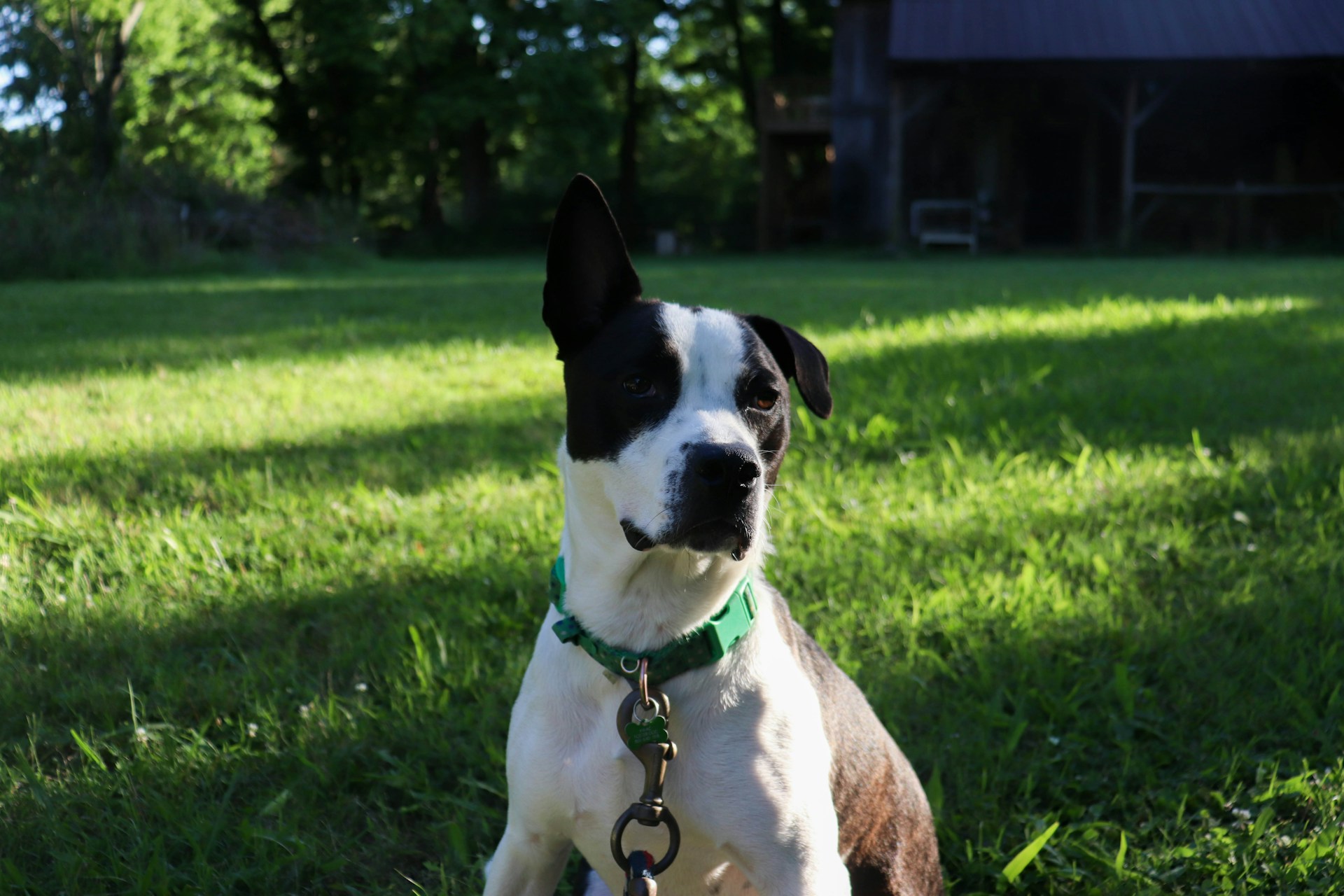
Dogs bite for many reasons, and the reason behind your dog's bite is best worked out by professionals who see the whole picture. Common drivers include fear, pain, guarding food or toys, being startled, and feeling trapped. A bite at the vet and a bite over a bone can look alike but need different plans.
Most people are bitten by a dog they know, often their own. That surprises owners who think of biting as something strangers face. The words why dogs bite cover a wide range of situations, and your job is to share clear observations, not to reach a diagnosis.
Watch for Warning Signs Without Testing Your Dog
Most dogs warn before they bite, though the warning may last only a moment. The ASPCA describes a ladder of signals that runs from stiffening and growling up to repeated bites. Owners miss the early steps and feel the bite came "out of nowhere."
Early signs to notice in daily life:
- Freezing or going very still
- Lip licking, yawning, or turning the head away
- Whale eye, where you see the whites of the eyes
- A low, tight tail or a slow, stiff wag
- Lifting the lip, growling, or snapping
Tail language can fool people, so read a wag in context with the rest of the body. Record these signs as they happen on their own. Do not reach for a bowl, lean over a sleeping dog, or recreate the scene to "see what happens." That puts people at risk and can teach your dog that warnings fail.
Ask a Veterinarian to Check for Pain or Illness
Book a vet visit before starting any behavior plan. Dogs in pain are more likely to bite, and some problems are hard for owners to spot. Sore joints, ear infections, dental pain, thyroid problems, and changes in older dogs all come up.
Tell your vet exactly what happened. Mention whether the bite came when your dog was touched in a certain spot, woken up, or picked up. If your dog is healthy, the vet's notes still help the trainer or behaviorist who works with you next.
Find Qualified Help for Biting Toward an Owner or Others
Get professional help after the first bite, and ideally after repeated growls or snaps. Dog aggression toward owner is scary and can feel personal. It is most often linked to fear, guarding, conflict, or being handled in ways the dog cannot tolerate.
A professional dog trainer with real experience in aggression can work with you in the places where the problem shows up. A veterinary behaviorist is a vet with extra training in behavior and can prescribe medication when needed. If you are unsure which fits, this guide to dog trainer vs behaviorist explains the difference.
Ask any professional how they handle fear-based biting and resource guarding. Avoid anyone who talks about dominating your dog, alpha rolls, or harsh corrections. Those methods often make biting worse.
What Can an Individual Training Plan Change?
An individual plan can lower the risk of another bite, and it can change how your dog feels about the situations that set them off. It shapes the home, the daily routine, and the way each person in the house responds. Progress looks different for every dog, and owners should expect steady work over time.
How to Stop a Dog From Biting With a Plan Built Around Safety
Learning how to stop a dog from biting means starting with safety and adding training on top. A good plan lists your dog's known triggers. It then sets up management so those triggers stay rare while the dog learns.
Training usually begins far below the level that causes a reaction. The exact exercises should come from the professional who assessed your dog. Working around guarded items or handling on your own can provoke another bite. Your dog's overall body language helps guide each step, and a professional can show you how to read it.
Dogs who guard food and objects often need their own approach, covered in more depth in this guide to resource guarding training. Fear often sits under many bites too, and fear aggression in dogs needs patience and space above all.
Practice Safer Daily Routines Without Punishing Warnings
Never punish a growl. It feels natural to scold, but a growl is your dog telling you they are uncomfortable. Dogs who get punished for warning may stop warning and go straight to a bite.
When your dog warns, calmly create space. Step back, stop what you were doing, and note what happened. Then change the routine so the same moment does not repeat.
Clear cues help here. A reliable "sit," "place," or "leave it" gives your dog a way to succeed that does not involve conflict. Solid dog obedience training makes daily handling calmer for everyone. Make sure every adult in the home uses the same words and the same rules.
Set Realistic Goals After a Serious Bite
Many people ask whether an aggressive dog can be rehabilitated. Some dogs improve a great deal, and some types of aggression can be reduced or even stop. Others need lifelong management, and no trainer can promise a full cure.
Good goals are specific and measurable. One example is "Guests can visit while the dog rests calmly in another room." Another is "Our dog tolerates nail trims better, with a looser body and quicker recovery." A muzzle or silence alone does not prove a dog is comfortable or safe, so progress is judged by the dog's overall response. A serious bite that caused deep punctures changes the math. It means careful management for a long time, and in some homes, hard conversations with a vet about safety.
If your dog also struggles with other dogs, training for dog aggression toward other dogs has its own set of steps.
Is This Biting or Ordinary Puppy Nipping?
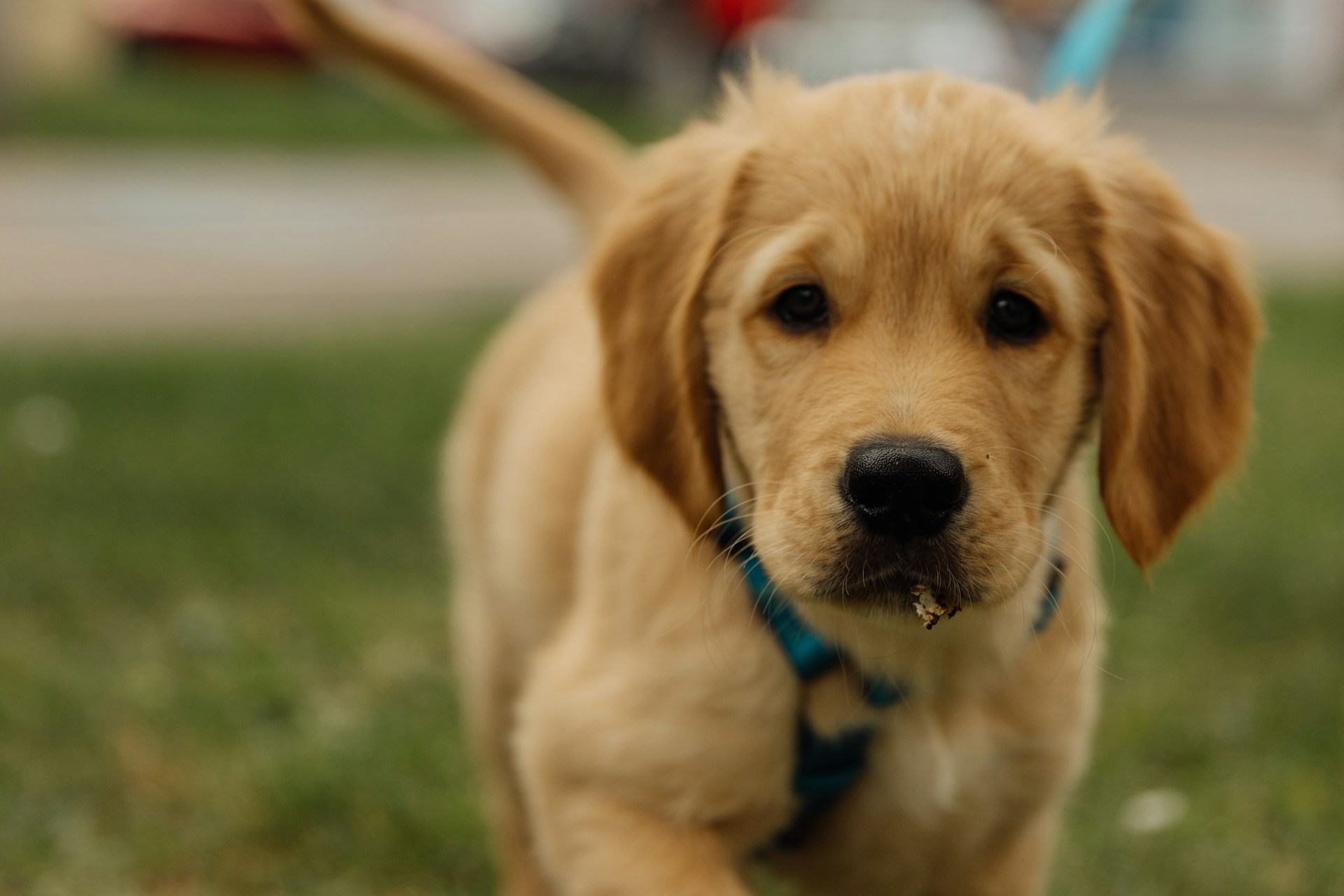
Much puppy nipping is part of normal play and teething. A young puppy grabbing sleeves and fingers is exploring with the only hands they have. A puppy who bites hard while frozen, cornered, or being handled is a different case, and so is any bite that injures someone.
Even ordinary mouthing can hurt, so protect people, especially children, while your puppy learns. For a full walkthrough, see how to stop puppy nipping.
Frequently Asked Questions
My Dog Bit Me and Drew Blood. What Should I Do?
Wash the wound well with soap and water, then see a doctor, since bites that break skin can get infected. Put your dog in a quiet room, check their rabies records, and schedule a vet visit. After that, contact a qualified trainer or behaviorist before trying any exercises.
Can a Dog That Has Bitten Someone Be Trained to Behave More Safely?
Many dogs can become safer with a plan that combines management and training. Results vary with the cause, the severity of the bite, and how consistently the family follows the plan. No one can honestly guarantee a full cure, so safety steps stay in place during training.
How Do I Stop My Dog From Biting When I Take Something Away?
Stop taking things away for now, and feed chews and meals where no one will bother your dog. If your dog grabs something, avoid approaching or reaching toward them to get it back. Ask a qualified professional how to manage these moments safely in your home. Guarding can improve with gradual training, with a professional guiding each step.
Should I Use a Muzzle If My Dog Might Bite?
A basket muzzle is a smart safety tool for vet visits, grooming, or any handling you cannot avoid. Train it slowly with treats so your dog is comfortable wearing it. Use it alongside a training plan, and never to push your dog into situations they fear.
How Can I Tell Whether My Puppy Is Playing or Biting Out of Fear?
A playing puppy looks loose and bouncy and keeps coming back to the game. A fearful puppy freezes, tucks their tail, or bites when held, cornered, or touched. If you see the fearful pattern, talk to a trainer early, before the habit grows.
Make Safety the First Step Toward Progress
Safety comes first because a dog who keeps practicing bites keeps getting better at biting. Every calm day, with no chance to rehearse, gives training room to work. That is true whether the bite happened an hour ago or you are seeing new growls this week.
Your next steps are clear. Treat any injury, block the situations that led to trouble, and book a vet exam. Then bring in someone who can watch your dog in real life and build a plan around your household.
That is where one-on-one, in-home training with Steve Good Dog helps. The bite happened in your kitchen, on your couch, or at your front door, so that is where training belongs. If you are ready, you can ask about in-home help for a dog who bites, describe what your dog is doing, and hear how Steve would approach it. You can also call (860) 266-5566 or book a first 1.5-hour session for $250.
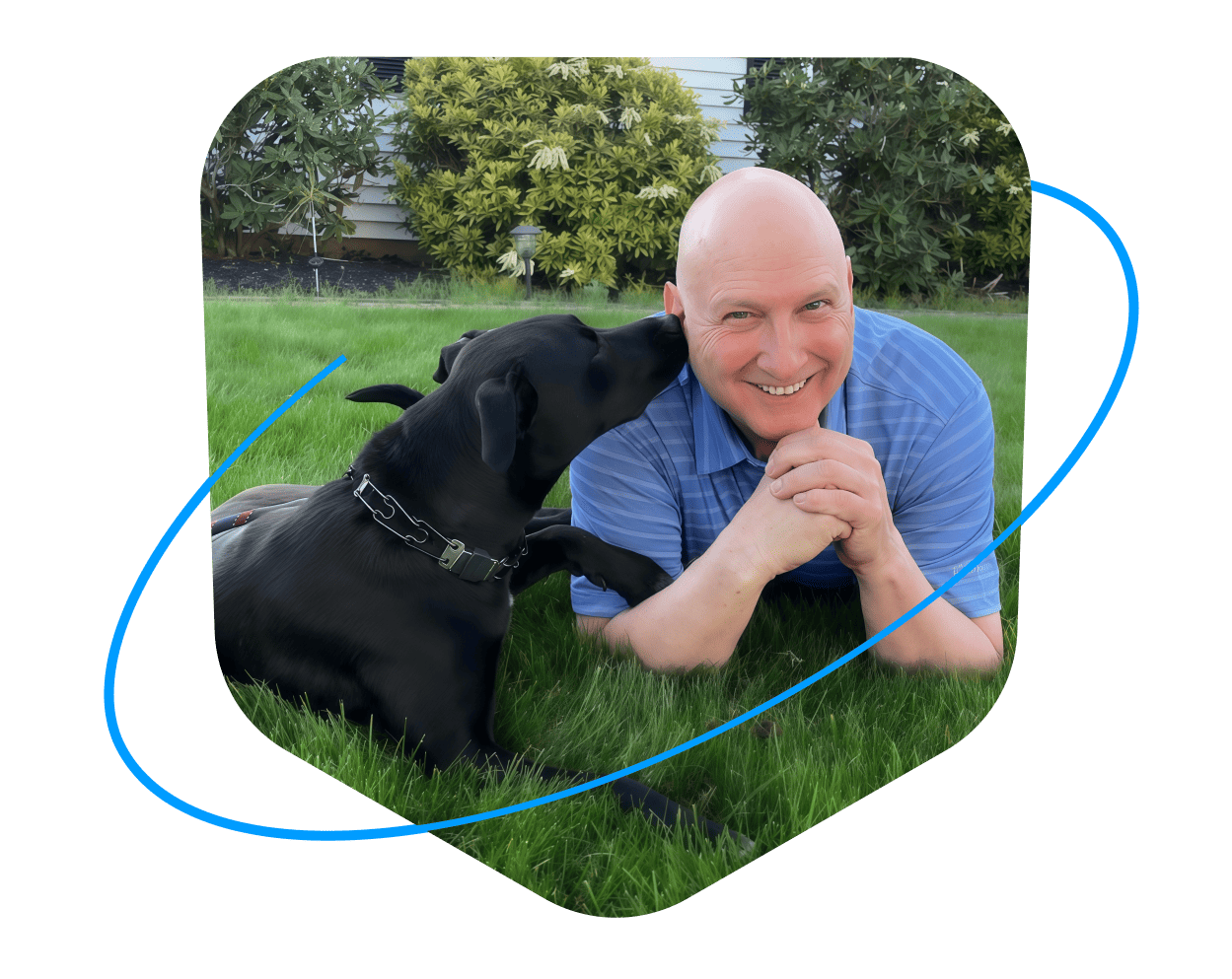
Personal dog trainer in Southington, Connecticut. Ten years of experience, more than 2,000 dogs trained, and a background training service dogs for Marines with PTSD.