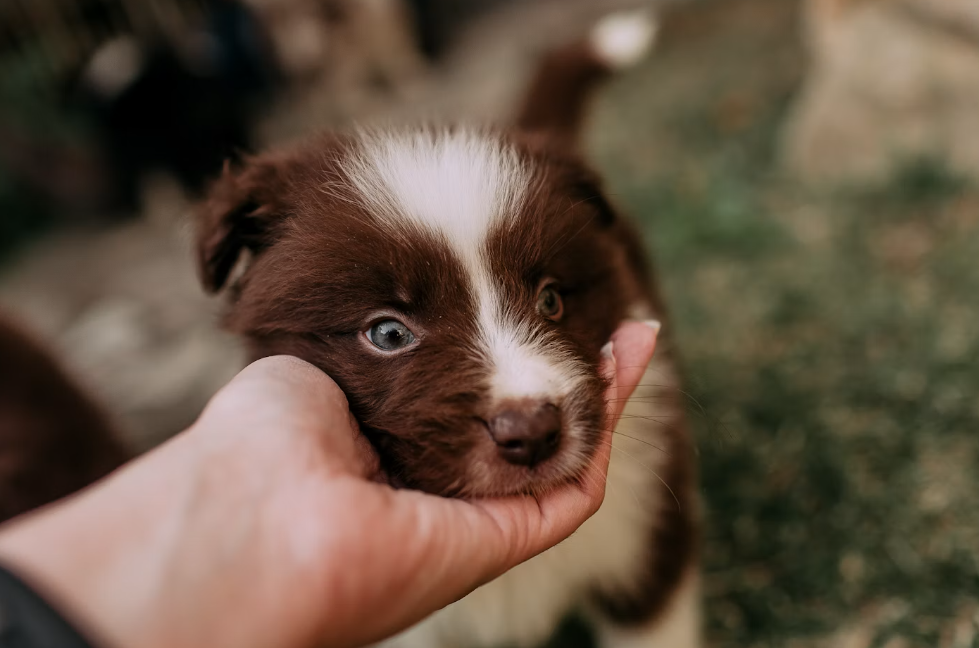
A new puppy's first evening at home comes with a flood of decisions. Where does the crate go? Who takes the 2 a.m. potty trip? Does "down" mean lie down or get off the couch? Most first-time owners feel they need to teach everything at once. The good news is that the most useful puppy training tips for first-time owners fit into an ordinary day.
Start training the day your puppy comes home: keep lessons to a few minutes, build the day around potty breaks and rest, and make sure everyone in the house uses the same words and rules. Those three habits shape nearly every other skill your puppy learns in the first week. Commands like sit and come fit neatly into that routine once the basics are in place.
By the end of this guide, you will be able to plan a realistic first-week day for your puppy. You will know which skills to practice first and how to read your puppy's reactions. You will also know when to slow down, and how to introduce the wider world without overwhelming a young dog.
When Should You Start Training Your Puppy?
You can start training as soon as your puppy walks through the door, often around 8 weeks old. Early training looks very little like a formal class. It is mostly about teaching your puppy where to potty, where to rest, and that good things happen when they pay attention to you.
If you're wondering what age is best to train a puppy, there is no single perfect age that fits every dog. A puppy from a quiet breeder's home may need a few days to settle before practice feels fun. A confident puppy may be ready to learn sit on day one. Watch your puppy's body language. If they eat, explore, and take treats from your hand, they are likely ready for short, easy lessons.
Which Puppy Training Tips for First-Time Owners Matter on Day One?
On day one, focus on safety, comfort, and a few clear habits. Skip the long command list and put these first:
- Set up a small, puppy-proofed area. One or two rooms where you can see your puppy makes potty training far easier.
- Take your puppy to the same potty spot often. Go after waking, eating, and playing, and praise them the moment they finish.
- Offer a cozy resting place. A crate or pen with a soft bed gives your puppy somewhere to recharge.
- Say your puppy's name in a happy voice, then reward. This builds attention before you ask for any behavior.
- Handle paws, ears, and mouth gently while feeding small treats. This prepares your puppy for vet visits and grooming.
Trust comes before commands. A puppy who feels safe with you learns faster later. If your puppy hides or freezes, sit on the floor and let them come to you. Pushing them to accept attention can make the next day harder.
How Short Should Early Practice Sessions Be?
Keep early practice sessions to about 2 to 5 minutes, a few times a day. Young puppies tire fast, and their focus fades long before an adult dog's would. Several tiny lessons spread across the day work better than one long one.
Let your puppy's reaction set the length. Stop while they are still eager, such as after a quick, happy sit. Signs a session has gone too long include:
- Wandering off or sniffing the floor
- Nipping at hands or clothes
- Yawning, lying down, or looking away
- Slower responses to a cue they knew a minute ago
If you see these, end with an easy win and let your puppy rest. Next time, cut the session shorter or move to a quieter room. As your puppy grows, you can slowly add a minute or two.
How Can a Simple Day Build Good Habits?
A predictable daily rhythm teaches your puppy more than any single lesson. When meals, naps, potty trips, and play happen in a similar order, your puppy starts to know what comes next. That makes accidents, crate fussing, and overexcited evenings less common.
Plan Potty Breaks Around Meals, Sleep, and Play
Potty breaks should follow the moments your puppy is most likely to need one. Puppies naturally go to the bathroom first thing in the morning, last thing at night, and after meals, naps, drinks, and play. Very young puppies also need trips during the night.
A sample first-week day might look like this:
- Wake up, then go straight outside to the potty spot.
- Breakfast, then another potty trip about 10 to 15 minutes later.
- A short play or training session, then potty again.
- Nap in the crate or pen, then potty right after waking.
- Repeat the cycle through lunch, afternoon, and dinner.
- A calm evening, a final potty trip, then bed.
Puppies between 6 and 12 weeks old usually eat four meals a day, so your potty schedule will be busy at first. Watch for sniffing, circling, or a sudden stop in play. Those are cues to head outside now. For a detailed, hour-by-hour plan, see this puppy potty training schedule.
When accidents happen, clean them up calmly with an enzyme cleaner. Scolding a puppy for an old mess teaches nothing useful and can make them hide when they need to go. If you notice more accidents in one room, shrink your puppy's space there for a while.
Introduce the Crate as a Comfortable Place to Rest
The crate works best when your puppy sees it as a calm bedroom. Put it in a room where the family spends time and add a soft blanket. Leave the door open at first and toss a few treats inside for your puppy to find.
Feeding meals in or near the crate builds a good feeling about it. Once your puppy walks in on their own, close the door for a few seconds while they eat. Open it before they finish looking around. Add time gradually over several days.
Watch how your puppy responds:
- Relaxed and chewing a toy: you can add a little more time.
- Whining right away: go back to shorter stays and more treats.
- Frantic scratching or drooling: stop and check in with a trainer or vet.
At night, many owners keep the crate near the bed so they can hear a puppy who needs a potty trip. Crate time also gives your puppy the rest they need. An overtired puppy often gets bitey and wild, much like a toddler who skipped a nap.
Agree on Household Rules and Consistent Commands
Everyone in the house should use the same words and rules from the start. If one person says "down" for lying down and another uses it for getting off the couch, your puppy has no way to know what you mean. Mixed signals slow learning and frustrate everyone.
Before the first week gets busy, sit down together and decide:
- The exact word for each cue (for example, "off" for furniture and "down" for lying down)
- Whether the puppy is allowed on the couch or bed
- Who handles morning, evening, and overnight potty trips
- Where the treats are kept and what size to use
- Which rooms are open to the puppy for now
Write the list down and stick it on the fridge. Kids can help too, with an adult nearby. When the whole family follows the same plan, your puppy sees a clear pattern and settles in faster.
Which Skills Should You Practice First?
Start with skills your puppy will use every day: sit, come, and a calm response to your hands and the leash. Build these with positive reinforcement, which means rewarding the behavior you want so your puppy wants to repeat it. Treats, toys, praise, and access to fun things all count as rewards.
Keep one idea in mind as you work. Each cue should mean the same thing every time, from every person. If you want a broader foundation later, the dog obedience training page shows how these early skills grow into reliable manners.
Use Everyday Moments to Teach Sit and Come
You do not need a set training time to teach sit and come. Your puppy's daily routine offers dozens of chances. Ask for a sit before you set down the food bowl, before you open the door, and before you toss a toy. Your puppy learns that sitting makes good things happen.
To teach sit, hold a treat near your puppy's nose. Move it slowly up and back over their head. As their rear drops, say "yes" and give the treat. After a few tries, add the word "sit" just before you move your hand.
For come, start indoors when your puppy is a few steps away. Say their name and "come" in a cheerful voice, then back up a step. Reward and praise when they reach you. Never call your puppy to you for something they dislike, like a bath. You want coming to you to always feel good.
If your puppy ignores you, make it easier. Move closer, use a better treat, or practice in a quieter room.
Add Leave It, Off, Down, and Stay One Step at a Time
Once your puppy knows sit and responds to their name, you can slowly add more skills. Add one new cue at a time, and only when the last one feels easy in your home.
- Leave it: Close a treat in your fist. Wait until your puppy stops sniffing or pawing, then reward from your other hand.
- Off: Use this for paws on furniture or people. Lure four paws to the floor and reward right away.
- Down: From a sit, lower a treat slowly to the floor between your puppy's front paws. Reward when elbows touch down.
- Stay: Ask for a sit, wait one second, and reward. Add time and distance in tiny steps.
Stay takes patience, so start with just a second or two. If your puppy pops up, you asked for too much. Shorten the time or step back closer. For a full step-by-step plan, read this guide on how to teach a dog to stay.
Redirect Nipping and Begin Gentle Leash Practice
Nipping is normal puppy behavior, and redirecting it early makes life easier for everyone. Puppies explore with their mouths, and teething adds to the urge. The goal is to teach your puppy to be gentle and to choose toys over skin.
Keep a tug toy or chew in your pocket. When sharp teeth land on your hand, go still and offer the toy. If your puppy keeps biting, calmly step away for 10 to 20 seconds, then return. Avoid jerking your hand away, which invites more chasing. Hitting or grabbing the muzzle can scare your puppy and make biting worse.
Watch the timing too. Nipping often gets worse in the evening or after lots of play, which may point to a tired puppy. A nap in the crate can help more than another round of games. This full guide on how to stop puppy nipping covers ankles, clothes, and hard bites in detail.
Leash practice can start indoors. Let your puppy wear a light collar or harness during meals and play so it feels normal. Then clip on the leash and walk a few steps around the living room, rewarding your puppy for staying near your leg. Keep it short and happy. When you are ready for the next step, see how to leash train a puppy outside.
How Do You Introduce New Experiences Without Overwhelming Your Puppy?
Introduce new things at a pace your puppy can handle, and let them watch before they have to join in. Puppy socialization is about helping your dog feel comfortable with the people, places, and sounds of everyday life. More exposure is not always better. A calm, good experience does more than a crowded, scary one.
The American Veterinary Medical Association notes that the best time for puppy socialization runs from about 3 to 14 weeks of age. That window overlaps with your first weeks together, so small daily experiences add up fast.
Let Your Puppy Observe People, Places, and Sounds at a Comfortable Distance
Distance is your most useful tool. Sit on your front steps and let your puppy watch cars, joggers, and kids on bikes from a spot where they stay relaxed. Reward calm looking with treats. Your puppy learns that new things predict good things.
Here are simple ideas for the first few weeks:
- Play recorded sounds like thunder or vacuums at low volume during meals.
- Let your puppy walk on grass, tile, carpet, and a bath mat.
- Invite a calm friend over to toss treats without reaching for your puppy.
- Carry your puppy near a busy parking lot to watch from your arms.
- Take short car rides that end somewhere pleasant.
Read your puppy's body. A loose body, soft eyes, and curious sniffing mean things are going well. A tucked tail, crouching, or trying to hide means you should back up and give more space. Always let your puppy retreat if they want to. Try again another day from farther away.
Ask Your Veterinarian About Safe Outings and Puppy Classes
Your veterinarian is the best person to help you balance socialization with health. Young puppies need vaccine boosters every few weeks until they are about 4 months old. Until then, keep them away from dogs with unknown vaccine status and places those dogs visit, like busy dog parks.
That does not mean staying home. You can visit friends with healthy, vaccinated adult dogs. You can carry your puppy into pet-friendly stores or sit outside a café. Ask your vet which outings make sense for your area and your puppy's shots.
Many vets also recommend puppy kindergarten or puppy training classes. These classes give puppies safe, supervised play and a chance to practice skills around distractions. Look for classes that check vaccine records and keep groups small. If you are searching locally, this guide to choosing puppy socialization classes explains what to look for.
How Do Your Priorities Change Over the First Eight Weeks?
Many puppy training tips for first-time owners center on the first week, but your focus widens as the weeks go by. Every puppy moves at their own pace, so treat this as a rough outline rather than a schedule to hit:
- Weeks 1 and 2 at home: Settling in comes first. Focus on the potty routine, comfort in the crate or pen, plenty of rest, name response, and gentle handling.
- Weeks 3 to 5: Add basic cues and leash skills. Practice sit, come, and leave it, plus short indoor leash sessions, keeping lessons to a few minutes.
- Weeks 6 to 8: Start widening the world. Practice familiar cues around mild distractions, and keep adding calm new experiences at a pace your puppy handles well.
Move on when your puppy is comfortable with the current stage, and go back a step whenever they struggle.
Frequently Asked Questions
What Is the First Thing I Should Teach My New Puppy?
Start with potty training and responding to their name. These habits shape the rest of your puppy's day and make every other lesson easier. Sit is a good first command once your puppy is settled.
How Old Should a Puppy Be to Start Training?
Most puppies can begin simple training at around 8 weeks old, when they usually come home. Early lessons should be short, gentle, and reward-based. Each puppy settles at their own pace, so follow your puppy's comfort level.
How Long Should Puppy Training Sessions Be?
Keep sessions to about 2 to 5 minutes for young puppies, spread across the day. End while your puppy is still interested. As they grow and focus longer, you can add time gradually.
What Should I Do If My Puppy Has a Potty Accident?
Clean it up calmly with an enzyme cleaner and skip any scolding. If you catch your puppy mid-accident, interrupt gently and take them outside to finish, then praise them. Frequent accidents usually mean your puppy needs more potty trips or closer supervision.
Can I Socialize My Puppy Before All Vaccinations Are Complete?
Yes, with care and guidance from your veterinarian. Carry your puppy to watch new places, invite calm visitors home, and meet healthy, vaccinated adult dogs. Avoid dog parks and areas where unvaccinated dogs may have been until your vet says it is safe.
Keep the Routine Flexible as Your Puppy Grows
The first-week routine is a starting point, and it should change as your puppy changes. Your puppy will soon need fewer meals, fewer night potty trips, and longer stretches of rest. Training sessions can grow by a minute or two, and practice can move to busier places.
Keep using the same approach you started with: watch your puppy, then adjust. If accidents pick up, go back to more frequent potty trips. If your puppy struggles with a cue in a new room, make it easier before you add distractions. Setbacks are normal, especially during teething or a big household change.
Puppy training works best when you learn the skills alongside your dog. If you want help building a plan around your home and schedule, Steve Good Dog offers one-on-one, in-home sessions in Central Connecticut, plus an online option. You can ask about in-home puppy training, describe what your puppy is doing, and find out how Steve would approach it.
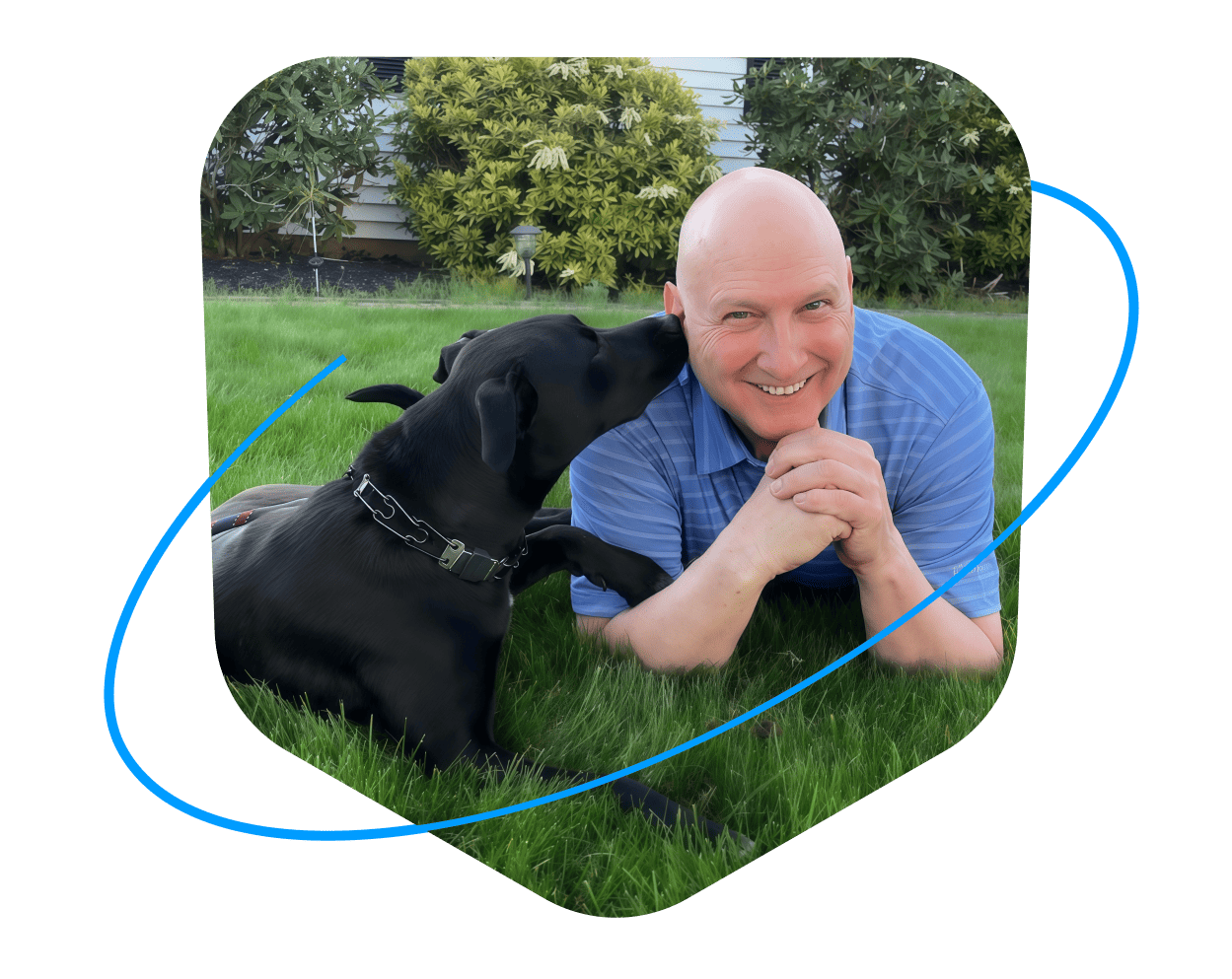
Personal dog trainer in Southington, Connecticut. Ten years of experience, more than 2,000 dogs trained, and a background training service dogs for Marines with PTSD.