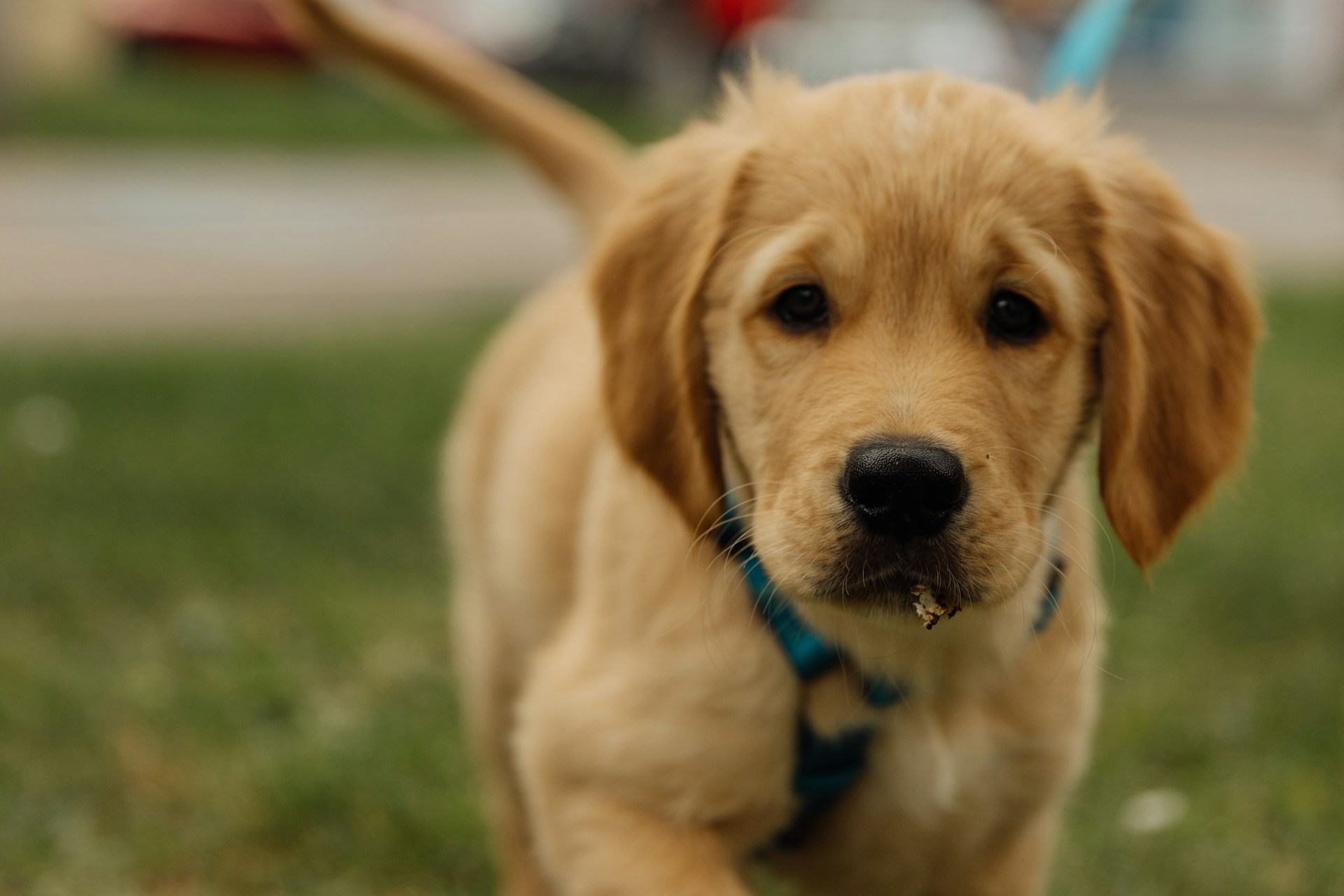
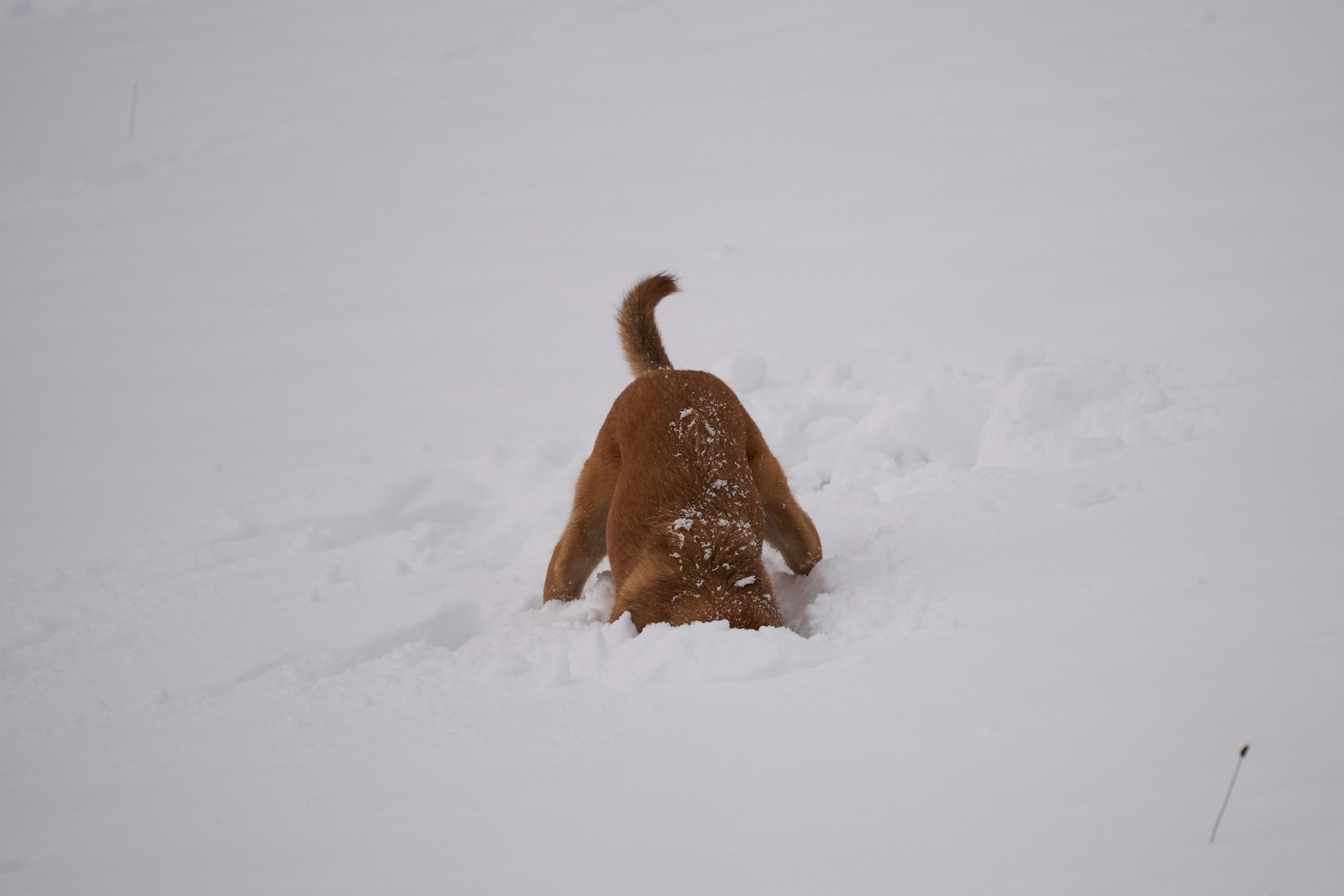
It is 6 a.m. in January. The back steps are glazed with ice and the yard is under eight inches of fresh snow. Your ten-week-old puppy is sniffing in circles by the door. You have maybe thirty seconds to get boots on, find the leash, and get her outside before she decides the kitchen rug will do.
Potty training a puppy in winter works when you make the trip outside fast, short, and predictable: a shoveled path to one potty spot, gear ready at the door, and a steady rhythm of chances to go. The cold makes housetraining harder in several ways. It slows the trip down, and discomfort, slippery footing, unfamiliar surfaces, and reluctance to go outside can all play a part. Every extra minute spent hunting for a hat, or wading through drifts, gives a small bladder time to give up.
Once you set up the route and the routine, snowy mornings and dark evenings stop feeling like a daily battle. You will know how to prepare your yard and door area, and how to time potty breaks. You will also know what to do on storm days, and how to tell a weather-related slip from a change that needs your vet.
Make the Trip Outside Easy Before Your Puppy Needs to Go
The best winter housetraining happens before your puppy ever squats. When the path, the spot, and the supplies are ready ahead of time, your puppy's early warning signs give you enough time to act.
Why Potty Training a Puppy in Winter Starts With the Route Outside
A young puppy gives you very little warning. Sniffing, circling, or suddenly stopping play can mean she needs to go within seconds. In summer you open the door and step onto grass. In winter, a slow exit means accidents on the way.
The route also shapes how your puppy feels about going out. A puppy who gets snow up to her belly and slips on the steps each trip may start to resist the door. When you think about potty training a puppy in winter, think about the whole walk: door to steps, steps to yard, yard to spot. Each part should feel easy and safe.
Watch your puppy on the way out for a few days. Does she hesitate at the top of the steps? Does she stop when the snow gets deep? Those pauses show you where to fix the route first.
Clear a Path to a Designated Potty Area
Pick one designated potty area close to the door and shovel a path straight to it. A small patch of cleared ground, or packed-down snow, gives your puppy a familiar place with her own scent. That scent helps her recognize the spot as the right place to go.
A few practical choices help:
- Keep it close. A spot ten to fifteen feet from the door beats the far corner of the yard.
- Shelter it if you can. The side of the house or an area under a deck often collects less snow and wind.
- Clear down to the ground when possible. Many puppies sniff for grass or dirt before they go.
- Choose ice melt labeled for pets, and follow the label. "Pet-safe" doesn't mean harmless to lick or swallow. Keep your puppy from eating it, and wipe or rinse her paws after each trip.
After a storm, shovel the potty spot before your coffee, not after. If your puppy walks past the cleared patch and sniffs at the deep snow, give that area a try too. Some puppies prefer a certain surface, and her choice tells you where to shovel next time.
Keep a Leash, Treats, and Cold-Weather Gear by the Door
Set up a small station by the door you use most. Hang the leash on a hook and keep a pouch of small treats in your coat pocket. Put your boots where you can step into them in two seconds.
A leash keeps your puppy focused on the potty spot instead of chasing snowflakes. If she is still learning to walk nicely beside you, these short trips are a chance to practice. This guide on how to leash train a puppy covers that part.
Think about your puppy's comfort too. Short-coated and small puppies feel the cold faster. The American Veterinary Medical Association suggests keeping several dry sweaters or coats on hand, since a wet one can make a dog colder. Keep a towel by the door to dry paws and wipe off salt when you come back in.
Give Your Puppy Predictable Chances to Succeed
Your puppy learns fastest when you take her out at the moments she is most likely to need to go. Predictable timing means shorter trips in the cold, because she goes soon after she gets there.
Offer Potty Breaks After Waking, Eating, and Playing
Most puppies need to go right after they wake up, after meals, and after play. A cold day makes these moments even more useful, because you are not guessing and standing outside for ten minutes.
Base breaks on waking, meals, drinking, play, and your puppy's own signals, and offer more chances while she is active. Excited puppies often need to go much sooner than you expect.
Winter also changes play. Your puppy spends more time indoors, so more wrestling happens in the living room. After a burst of indoor zoomies, take her out, even if she went twenty minutes ago. For a full day-by-day plan with times, see this puppy potty training schedule.
Use a Consistent Cue and Reward Outdoor Success Right Away
Pick one short phrase, like "go potty," and say it calmly as your puppy starts to go. Over time she links the words to the act. That link is helpful in winter, when you want her to finish quickly and get back inside.
Reward the moment she finishes, right there at the spot. Have a treat ready in your hand, not in the house. If you wait until you are back inside, she connects the treat to coming in the door, not to peeing outside. This is positive reinforcement in plain terms: the behavior that earns a reward happens more often.
Keep the praise warm and happy. Cold hands make people rush, so practice pulling a treat from your pocket with gloves on. If your puppy starts heading to her spot on her own, that is a good sign the cue and reward are working.
What if Your Puppy Comes Inside Without Going?
If your puppy comes in without going, treat the next few minutes as supervised time. Keep her close to you on a leash or in a small, gated area. Then try again in five to ten minutes.
Puppies skip going outside for many reasons. She might be distracted by falling snow, uneasy on a new surface, or not ready yet. One skipped trip does not tell you much. A pattern does, so watch for it:
- If she goes right after coming in, keep her supervised indoors after the next trip. Offer another brief attempt when it's safe, rather than simply staying out longer in the cold.
- If she stops at the snow line, clear more ground or move the spot.
- If she shivers, lifts her paws, slows down, or shows distress, bring her in. Then adjust the setup, such as a coat, a more sheltered spot, or a shorter trip.
Adjust one thing at a time so you can see which change helped.
Plan for Storms and Unsafe Conditions
Some Connecticut winter days are not safe for a small puppy to be outside for long. Ice storms, blizzards, and deep cold call for a backup plan that keeps your puppy safe without undoing her progress.
When Might an Indoor Potty Area Help?
An indoor potty area helps when going outside is unsafe or not possible for a stretch of time. Good examples include a toy breed puppy during a deep freeze, or an owner who cannot get home often on a workday.
Know the warning signs of too much cold. Whining, shivering, slowing down, weakness, or looking for a warm place to burrow all mean you should bring your puppy in right away. Very young puppies are more at risk, so keep storm-day trips short.
If you live where storms often block your door, it makes sense to plan an indoor spot before winter starts. Setting one up in a panic during a blizzard is harder on everyone.
How Can You Use Puppy Pads Without Losing Sight of the Outdoor Goal?
Puppy pads work best as a clear, temporary backup with firm rules. Pads teach your puppy that one indoor spot is okay, which can blur the lesson that outside is the place to go.
To keep the outdoor goal in view:
- Put the pad in one fixed spot, near the door you use to go out.
- Use the same potty cue on the pad as you use outside.
- Keep taking your puppy outside whenever it is safe, even on pad days.
- Once the weather clears, move the pad closer to the door, then outside, then remove it.
Watch how your puppy responds after the storm. If she heads for the pad when the door is right there, go back to more frequent outdoor trips for a few days.
Use a Crate for Short Rest Periods, Not as a Toilet
A crate can help during winter when you cannot watch your puppy, once she has been introduced to it comfortably. It confines her; it doesn't supervise her. Most dogs avoid soiling where they sleep, so a right-sized crate encourages her to hold it for short periods that match her needs.
The crate should be big enough for her to stand, turn, and lie down. If it is too big, she may go in one corner and sleep in another. Take her straight to her potty spot when she comes out.
Never leave a puppy in a crate longer than she can hold it because the weather is bad. If she has to go in the crate, it weakens the habit you are building. On long storm days, plan crate time around frequent breaks, even quick ones to a pad.
Respond to Setbacks Without Blaming the Weather for Everything
Winter causes real setbacks, but it is not the only possible cause. When accidents start, look at the route and timing first, then watch for signs that something else is going on.
Adjust the Route or Timing When Snow and Cold Interrupt Progress
A fresh snowfall, a new layer of ice, or a sudden cold snap often leads to a few accidents. Your puppy was doing well, and then the path to her spot changed overnight.
Start by walking the route yourself. Is the path buried? Are the steps slick? Did the potty spot disappear under a drift? Fix what you find, then go back to more frequent trips for a few days.
Darker evenings can matter too. A puppy who hesitates in the dark may do better with a porch light on or a flashlight in your hand. If you are working with an older puppy or adopted dog, this guide on how to potty train a rescue dog covers building habits from scratch.
Clean Accidents and Watch for Sudden Changes That Need a Vet
Clean every indoor accident with an enzyme cleaner made for pet messes. Leftover odor draws puppies back to the same spot. Do not scold her for a mess you find later; she cannot connect it to something she did earlier.
Some changes point to health instead of weather. Call your vet if you notice:
- A dog pooping in the house suddenly after weeks of success
- Peeing much more often, or in small, frequent amounts
- Straining, crying, or blood in the urine
- Drinking a lot more water than usual
- Loose stools that keep coming back
A vet may ask about your puppy's water intake, how often she pees, and what the urine looks like. It helps to jot notes before the visit. Dogs who stay hard to housetrain despite a steady routine should see a vet to rule out a medical cause.
How Are Marking and Ordinary Potty Accidents Different?
Marking is a different problem from an ordinary accident, and winter is not the cause of both. An ordinary accident usually means a full bladder emptied in one place, often when the puppy could not hold it.
Marking tends to be small amounts of urine on upright objects, like furniture legs, doors, or new items in the house. It is more common in older puppies and adult dogs, and it often has more to do with scent and surroundings than with a missed trip outside.
If you are seeing small spots on vertical surfaces, your fix looks different from shoveling a path. This article on how to stop a dog from marking in the house goes through that separately.
Frequently Asked Questions
How Cold Is Too Cold for a Puppy to Go Outside to Potty?
There is no single safe temperature, because cold tolerance depends on your puppy's size, coat, age, and health. Keep trips short in deep cold and bring her in right away if she shivers, whines, or slows down. Ask your vet about limits for your puppy.
What if My Puppy Refuses to Pee in the Snow?
Clear a patch down to grass or dirt at her usual spot, since many puppies look for a familiar surface. Keep her on a leash, use your potty cue, and reward her the moment she finishes. If she still refuses, supervise her closely inside and try again in a few minutes.
How Do I Handle Overnight Potty Trips in Winter?
Keep overnight trips calm and boring: leash on, straight to the spot, reward, and back to bed with no play. Have your coat, boots, and a flashlight set out before bedtime. Plan night breaks around your puppy's needs. If you have questions about evening water, ask your vet rather than restricting it as a shortcut.
How Long Does It Take to Potty Train a Puppy During Winter?
It varies widely; some puppies build solid habits within weeks, while others take several months. Age, consistency, and how easy the trip outside is all affect the timeline. Winter adds some setbacks, but a clear route and steady routine keep progress moving.
Can I House Train a Puppy in Seven Days if It Is Snowing?
A week is not a realistic goal for most young puppies, snow or no snow, because their bladders are still developing. You can make big progress in seven days by setting up the route and a steady routine. Plan for weeks of practice before you give her more freedom.
Keep the Route Clear and the Routine Consistent
Your puppy does not need perfect weather to learn where to go. She needs a trip outside that is quick and familiar, and a person who shows up at the right moments. Go back to that 6 a.m. scene by the door. With boots ready, a leash on the hook, and a shoveled path, those thirty seconds are enough.
When progress stalls, look at what changed first: the snow, the light, the timing, or your puppy's health. Housetraining is a skill you learn alongside your puppy. If you are new to all of this, these puppy training tips for first-time owners can help you set priorities beyond the bathroom.
If winter has knocked your plan off track and you're looking for dog potty training help near you, a one-on-one session at home can help. Steve Good Dog works with you and your puppy in your own home, and also offers dog obedience training for the skills that come next. You can ask about in-home potty training help and describe what your puppy is doing.
Personal dog trainer in Southington, Connecticut. Ten years of experience, more than 2,000 dogs trained, and a background training service dogs for Marines with PTSD.