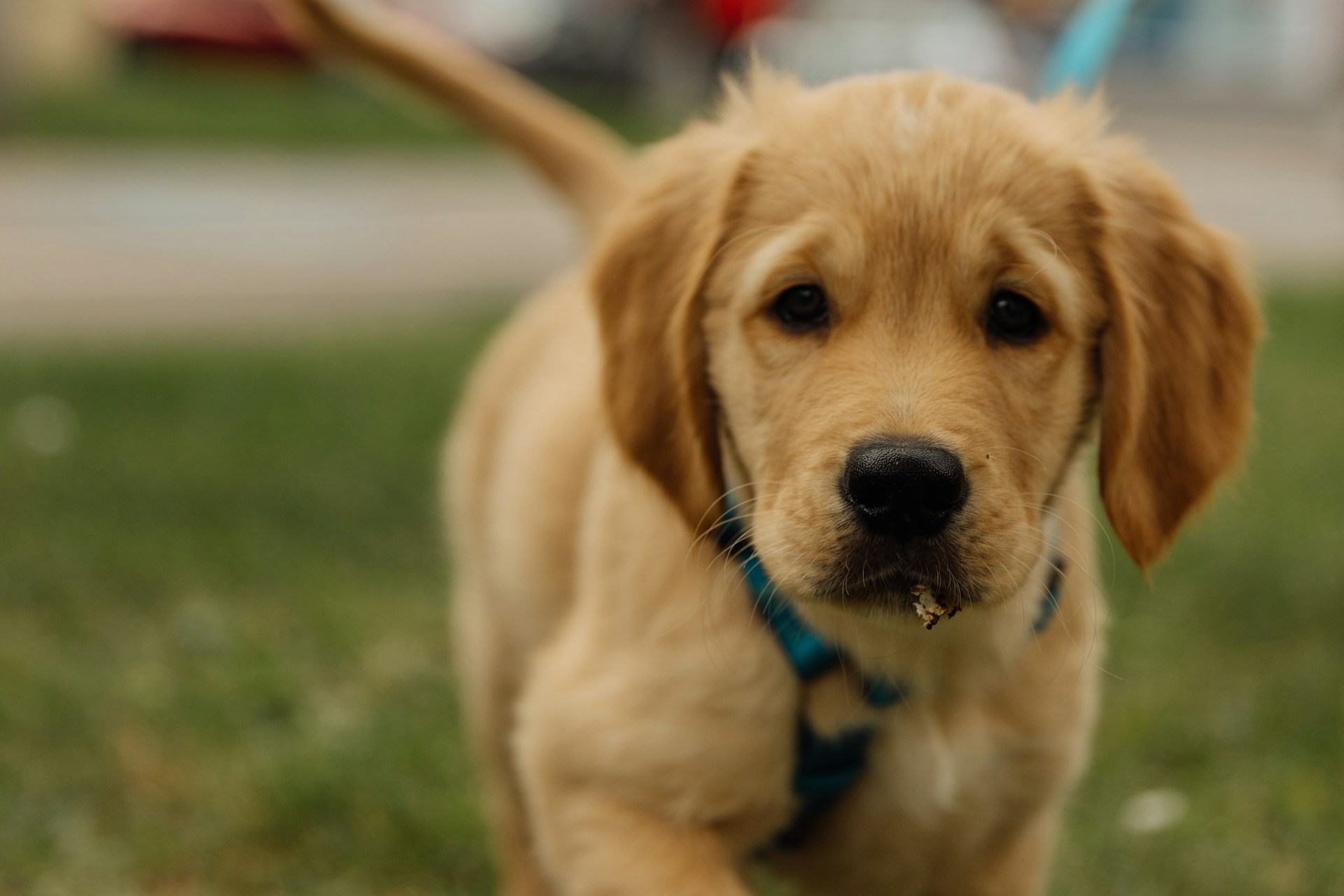
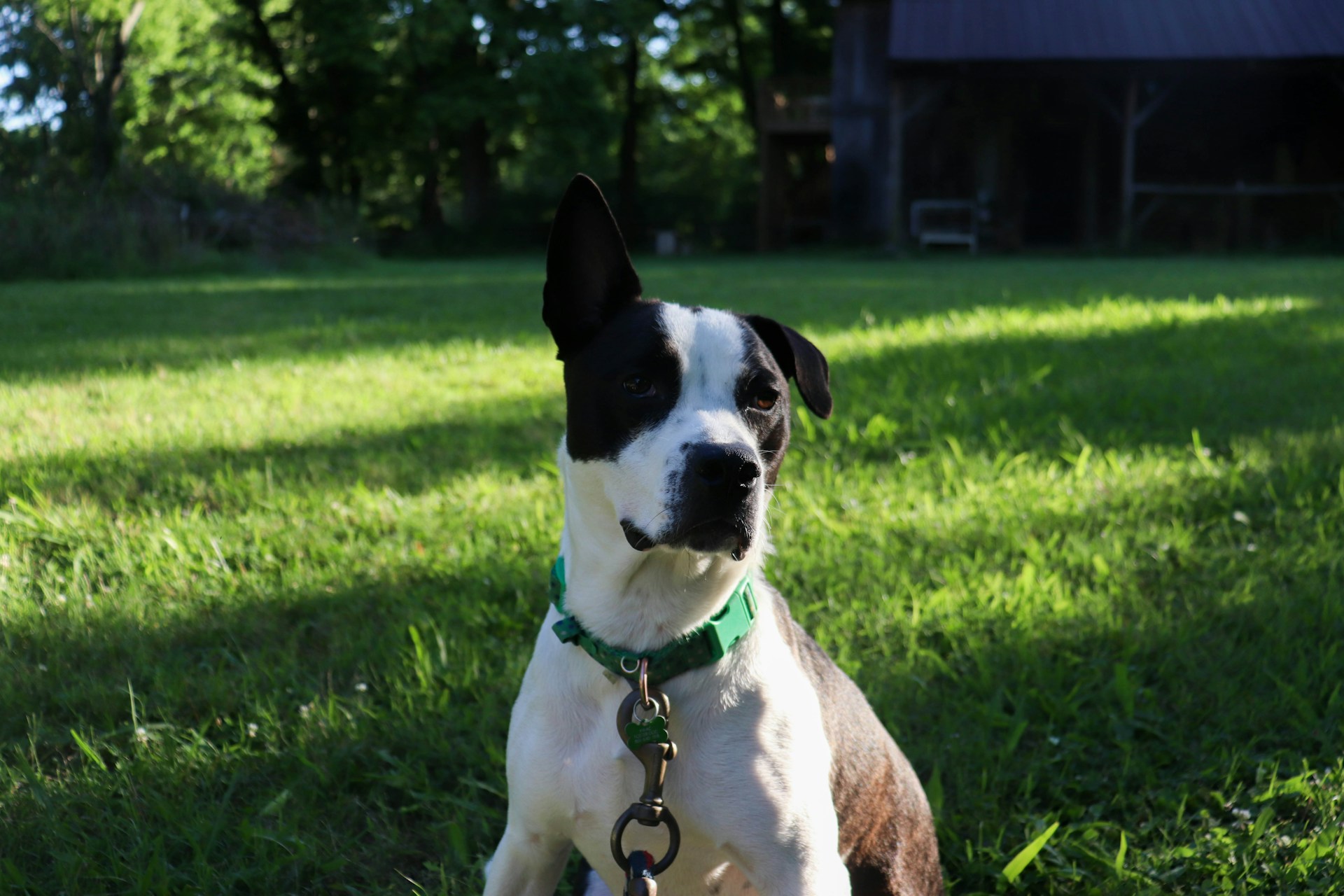
A rescue dog steps through your front door for the first time. Within an hour, there is a puddle by the couch, even though the shelter said she was house trained. That moment confuses many adopters. The dog may well have known where to go, but she learned it in a different place, on a different schedule, with different doors and smells.
If you want to know how to potty train a rescue dog, treat the first weeks as a fresh start: take her out on a steady schedule, supervise her closely indoors, and reward every outdoor success on the spot. Old habits do not disappear. They just need to be rebuilt around your home, your yard, and your daily rhythm. At Steve Good Dog, I work with Connecticut adopters in their own homes, where this reset actually happens.
By the end of this article, you will know what to watch for in your new dog and how to set up outings, supervision, and bedtime. You will also know how to respond to accidents without setbacks and when a pattern calls for a vet or a trainer.
Why Might a Rescue Dog Have Accidents in a New Home?
A rescue dog's accidents are often tied to places and routines she no longer has. Stress, excitement, and unfamiliar cues all play a part too. None of this means she was never trained or that she is misbehaving on purpose.
A New Routine Can Disrupt Familiar Bathroom Habits
Dogs learn where to go by linking relief with a specific surface, smell, and setting. A dog who lived in a kennel run may have learned to go on concrete. A dog from a foster home may have used a fenced yard with one gate she could see from the kitchen.
Now she is in your house. Your back door looks different. Your yard smells like other animals. The times she used to eat and go out have shifted. All of those small changes can blur a habit that once felt automatic to her.
There are other common reasons an adult dog may not be reliable indoors. Some dogs may have spent a long time where they could only go on concrete, paper, or bedding. Others may never have lived indoors at all. You rarely know the full history, so it helps to start from zero without judgment.
Stress adds another layer. A new home is exciting and a little scary. Some dogs drink more, eat less, or hold their bladder outside because everything feels new, then go the moment they relax indoors.
What to Observe Before Changing Your Approach
Before you change your routine, spend a few days watching and writing things down. A simple log on your phone or fridge works. Patterns show up fast once you record them.
Track these details for each day:
- The time of every meal and water refill
- When she went outside and whether she peed, pooped, or did nothing
- Where and when each accident happened
- What happened just before (a nap, play, a visitor, you leaving the room)
- Signs she gave beforehand, like sniffing, circling, pacing, or leaving the room
After three or four days, look for clusters. Maybe accidents happen 20 minutes after dinner. Maybe they happen in the guest room, which she can reach when no one is looking. Maybe she goes right after coming inside, which can happen when she was too distracted to finish out there.
Each pattern points to a different adjustment. Accidents after meals call for an earlier outing. Accidents in far rooms call for tighter supervision. Accidents right after coming in may call for longer, calmer outings, or a vet check if they keep happening. Let what you see guide the next step.
Build a Bathroom Routine Your Dog Can Learn
A predictable routine helps a rescue dog learn your home's rules faster, because the same things happen at the same times every day. Structure gives her a clear picture of when and where relief happens.
How to Potty Train a Rescue Dog with Consistent Outings
The core of how to potty train a rescue dog is taking her out before she has to guess. Plan outings at these key moments:
- First thing in the morning, before coffee or showers
- Within 10 to 20 minutes after each meal
- After naps, play sessions, and car rides
- After drinking a large amount of water
- Every couple of hours during the day at first
- Last thing before bed
Feed meals at set times and pick up the bowl after 10 to 15 minutes. This keeps digestion on a schedule, so you can predict when she needs to go.
Go outside with her on a leash. Walk her to the same spot each time. That spot builds up her scent, which helps her recognize it. Stand still and let her sniff. Some dogs need five minutes or more before they settle enough to go, especially in a new yard.
If she does not go after about five to ten minutes, bring her inside. Keep her close by for 10 minutes, or in a crate if she's already comfortable there, then try again. Do not give her free run of the house until she has gone outside.
Watch how she responds. If she goes fast in one corner of the yard, keep using it. If she stalls on grass but relaxes on the edge of the driveway, that surface may feel familiar. You can start there and slowly shift her toward grass.
How to Supervise Indoors and Reward Outdoor Success
Supervision prevents accidents you cannot see. In the early weeks, limit her space to one or two rooms where you can see her at all times. Baby gates and closed doors help a lot.
When you cannot watch her, use a crate if she's already comfortable in one. Otherwise, an exercise pen or a small safe room works. If you are cooking or on a call, try clipping her leash to your belt. She stays near you, and you notice signs before she wanders off. For step-by-step help with crates for grown dogs, see my guide on how to crate train an older dog.
Learn her signals. Common ones include:
- Sniffing the floor with purpose
- Circling or turning in place
- Pacing, whining, or staring at you
- Walking away to a quiet corner or another room
When you see one, calmly take her straight outside.
Rewards need good timing. Let her finish without interrupting, then praise her and give a treat within a second or two, while you're still outside. Keep treats in a jar by the door or in your pocket. If you wait until you are back inside, she links the treat to coming in, not to going outside.
As she succeeds, give her freedom in small steps. Let her explore one more room for 10 to 15 minutes right after she has gone outside. If accidents return, shrink her space again for a few days. Clear habits like these connect to broader dog obedience training, since both rely on consistent timing and rewards.
What Should You Do at Bedtime and Overnight?
At night, a calm setup and a last outing help her stay dry until morning. If you have questions about evening water, ask your vet what fits your dog. Make the final outing quiet and boring: leash on, same spot, praise, back to bed.
Many rescue dogs sleep well near your bed, in a crate if she's already comfortable there, or in a pen or safe bed space. Hearing and smelling you can settle a nervous dog. It also lets you hear her stir or whine if she needs to go.
If she wakes you up during the night, take her out with little talk and dim lights. Go straight back to bed afterward. You want her to learn that nighttime outings are for business, not play.
Watch the morning. If she is dry, great. If she has an accident overnight, add a late outing or move her last meal earlier. If she seems restless and anxious at night, note that as well; it can signal stress or a health issue worth asking about.
What Should You Do After an Indoor Accident?
After an accident, clean it well, stay calm, and use it as information to adjust the next outing. One accident does not undo your progress.
Clean the Spot and Adjust the Next Outing
Clean every accident with an enzyme cleaner made for pet urine. Regular soap can leave traces of scent that you cannot smell, but your dog can. Those traces pull her back to the same spot.
Blot up urine with paper towels first. Soak the area with the enzyme cleaner and let it sit as the label says. For carpets, you may need to treat the padding below.
Then look at your log. Ask a few quick questions:
- How long had it been since her last outing?
- Did she go fully outside, or did she come in early?
- Was she out of your sight when it happened?
- Did something new happen, like a visitor or a loud noise?
Use the answers to change one thing. Take her out 30 minutes sooner. Stay outside longer. Close off the room where it happened. If you catch her mid-accident, say her name calmly to interrupt, then walk her outside to finish. Praise her if she goes out there.
Why Scolding Makes Bathroom Habits Harder to Understand
Scolding teaches a dog to fear you, and she does not learn where to go. A dog cannot link a scolding to a puddle she made even a few minutes earlier. She only knows you are upset.
Worse, she may decide that peeing in front of you is dangerous. The ASPCA warns that punishment can make a dog think you dislike the waste itself, so she gets sneakier about hiding it. That means accidents behind the couch and a dog who will not go on leash while you stand nearby.
For a shy rescue, this can set trust back weeks. If your dog already seems timid, gentle support matters even more. My article on how to train a shy dog covers ways to build trust through calm, low-pressure training.
When Peeing Indoors May Be Marking or Distress
Not every indoor pee is a house-training gap. Some patterns suggest marking or distress instead, and those need a different plan.
Signs that point toward marking:
- Small amounts of urine, not a full bladder
- Vertical spots like furniture legs, door frames, or new bags
- A lifted leg or a slight lift in females
- Spots near doors, windows, or places where visitors or other pets have been
If that sounds familiar, see my guide on how to stop a dog from marking in the house.
Signs that point toward distress look different. A dog may pee when someone leans over her, while crouching or tucking her tail. Others only have accidents when left alone, along with pacing, drooling, or chewing at doors. If accidents happen only in your absence, read more about dog separation anxiety training.
Do not decide the cause from one event. Watch for a repeated pattern first. A confident dog feels safer and can relax enough to go where you want, so learning how to build confidence in a dog may help a nervous rescue.
When Do Accidents Call for More Help?
Accidents call for more help when they start suddenly, keep going despite a steady routine, or come with other changes in health or behavior. At that point, a vet or a trainer can see things you might miss.
When to Ask a Veterinarian About Sudden or Persistent Changes
Call your vet if your dog was doing well and then starts having accidents out of nowhere. Also call if accidents stay frequent after a few weeks of steady routine. Health problems can look like training problems.
Watch for these signs and share them with your vet:
- Peeing much more often, or in large amounts
- Drinking far more water than usual
- Straining, crying, or stopping partway while peeing
- Blood in the urine or loose stool
- Leaking urine while resting or asleep
- Accidents with confusion, which can occur in older dogs
A team of veterinary behaviorists lists conditions such as infection, diabetes, and kidney disease among the medical causes of house soiling. Bring your log to the appointment. It helps your vet spot patterns fast.
Once a health issue is treated, some dogs still have indoor accidents out of habit. That is normal. Go back to the basic routine of close supervision and frequent outings to rebuild the habit.
How One-on-One, In-Home Training Can Help Your Household Stay Consistent
Private training at home helps when the plan works for one person but falls apart across the whole household. One person uses a cue word, another does not. One person waits outside for five minutes, another opens the door and walks away.
In your home, I can see the real setup: which door she uses, where accidents happen, and how each family member responds. Then I show everyone the same simple steps. We can also work on related skills, such as calm greetings or walking on a loose leash to the potty spot.
For new clients, the starting session is 1.5 hours for $250, and follow-up sessions are $210 per hour. Online sessions are available for $145 per hour. I serve Southington, Cheshire, Meriden, Bristol, and nearby towns in Central Connecticut.
Frequently Asked Questions
How Long Does It Take to House Train a Rescue Dog?
Many rescue dogs settle into a reliable routine within a few weeks, but there is no fixed timeline. Progress depends on your dog's past habits, stress level, and how consistent your household is. Tracking outings and accidents shows you real progress even when it feels slow.
Can a 3-Year-Old Rescue Dog Learn New Bathroom Habits?
Yes, adult dogs learn new bathroom habits well. Grown dogs can hold their bladder longer than puppies, which gives you more room to build a routine. Steady outings, rewards, and supervision work the same way at 3 as they do at 1.
Why Does My Rescue Dog Pee Inside Right After Going Out?
Sometimes she simply didn't finish outside, often because the yard felt new or distracting. Stay out longer, stand still in one spot, and give her time before coming in. If she still pees inside right after, keep her close by, or in a crate if she's already comfortable there, for 10 minutes and try again. If it keeps happening or starts suddenly, check in with your vet, since other causes are possible.
What Should I Do if My Rescue Dog Has a Potty Training Setback?
Go back to the basics for a few days: shorter gaps between outings and closer supervision. Look at your log for changes like a new schedule, visitors, or a move. If the setback came on suddenly, check in with your vet.
Is It Hard to Potty Train an Adult Rescue Dog?
Potty training an adult rescue dog is often easier than training a puppy, since adult dogs have better bladder control. The main challenge is helping her link old habits to your new home. Patience and a steady daily routine make the process smoother for most dogs.
Give Your Dog a Routine, Not a Deadline
The puddle by the couch on day one does not predict how your dog will do in a month. What shapes that month is your daily routine: steady outings, close supervision, fast rewards, and calm cleanup. Each good day teaches her a little more about where relief belongs in her new home.
Some dogs settle in a week. Others need several weeks of patience, and that is fine. Keep your log going, adjust one thing at a time, and loosen supervision only as she earns it.
If accidents keep happening after you have tried all this, a fresh set of eyes can help. You can talk with a house-training dog trainer in CT and describe what your dog is doing. I will explain how I would approach it in your home.
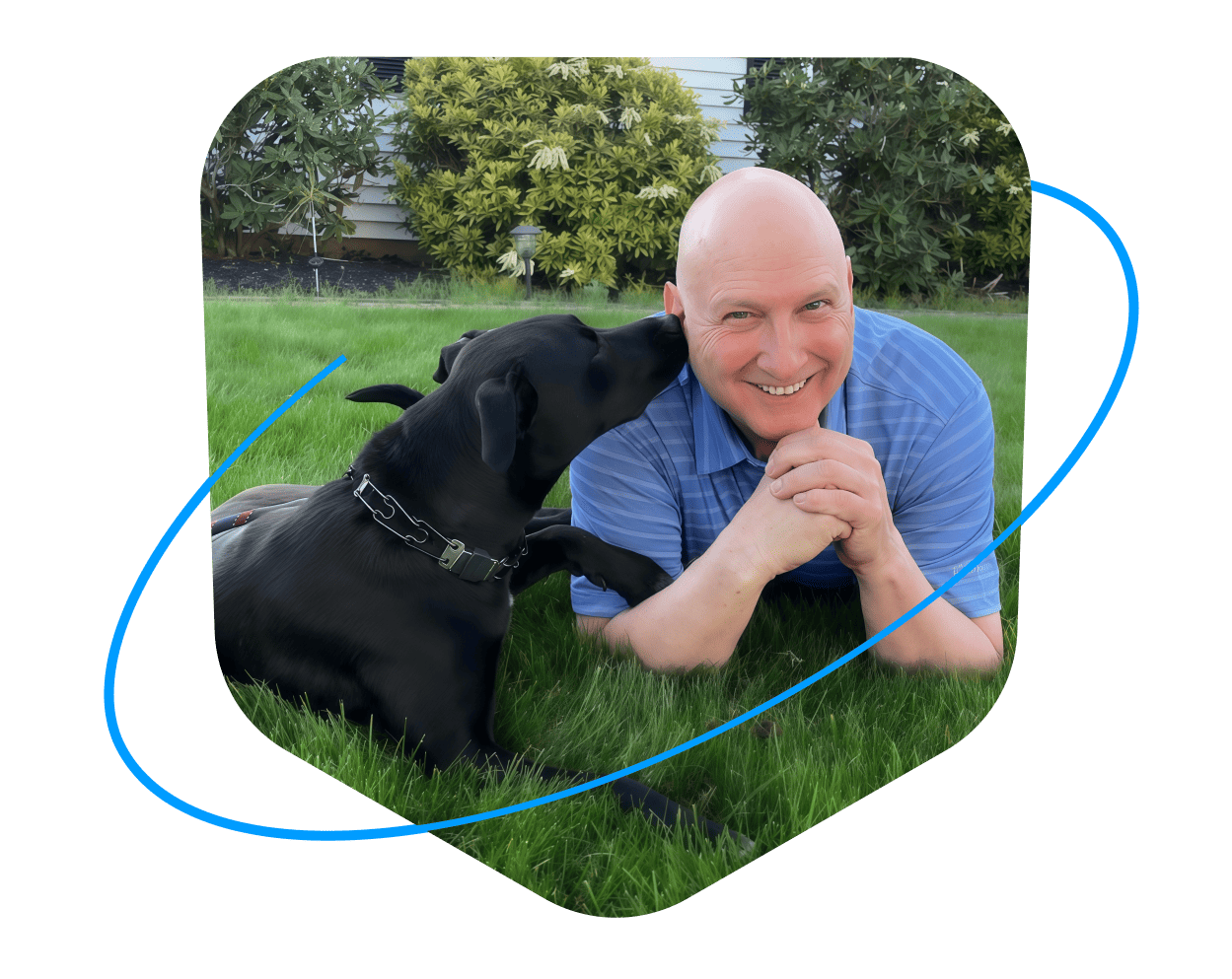
Personal dog trainer in Southington, Connecticut. Ten years of experience, more than 2,000 dogs trained, and a background training service dogs for Marines with PTSD.