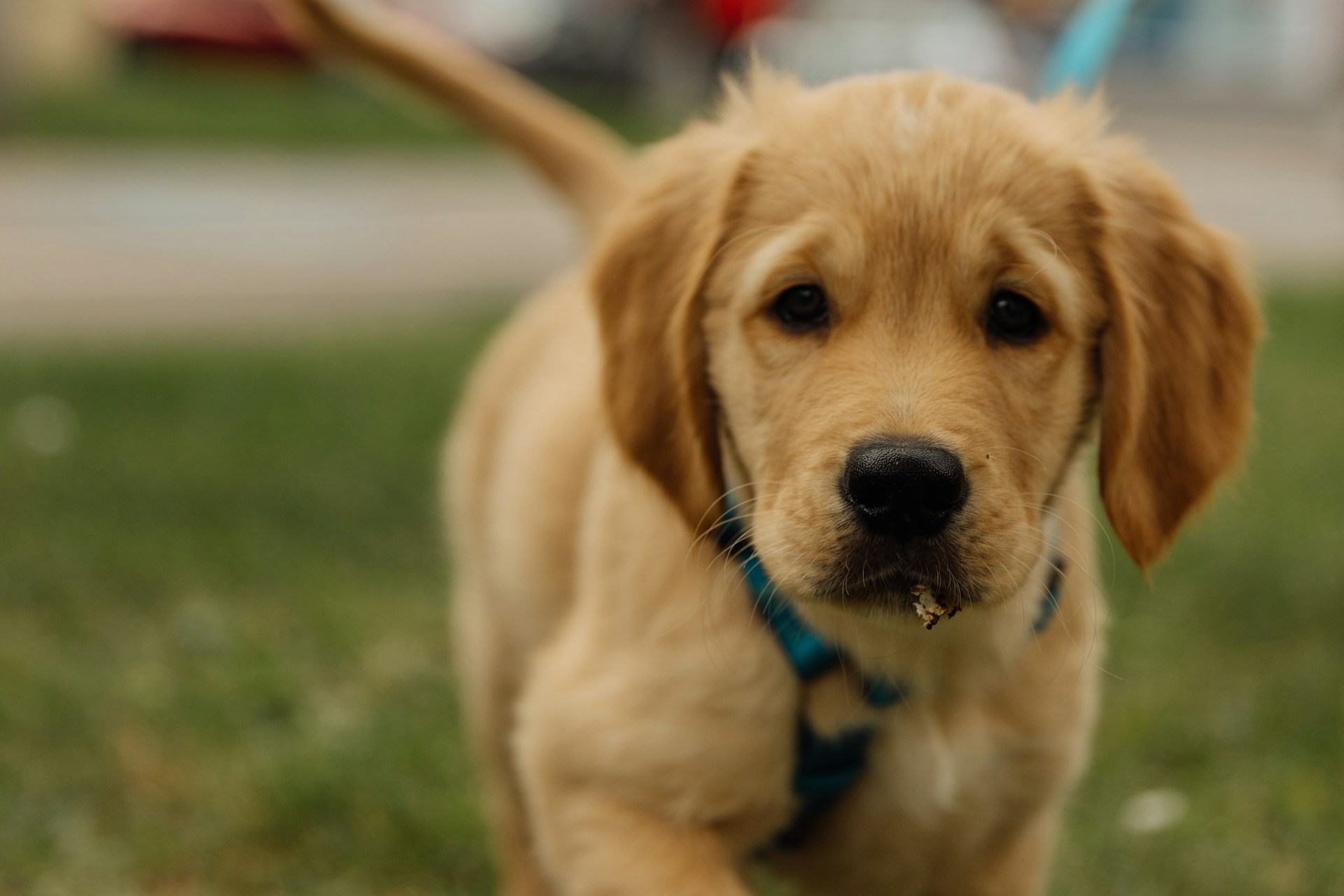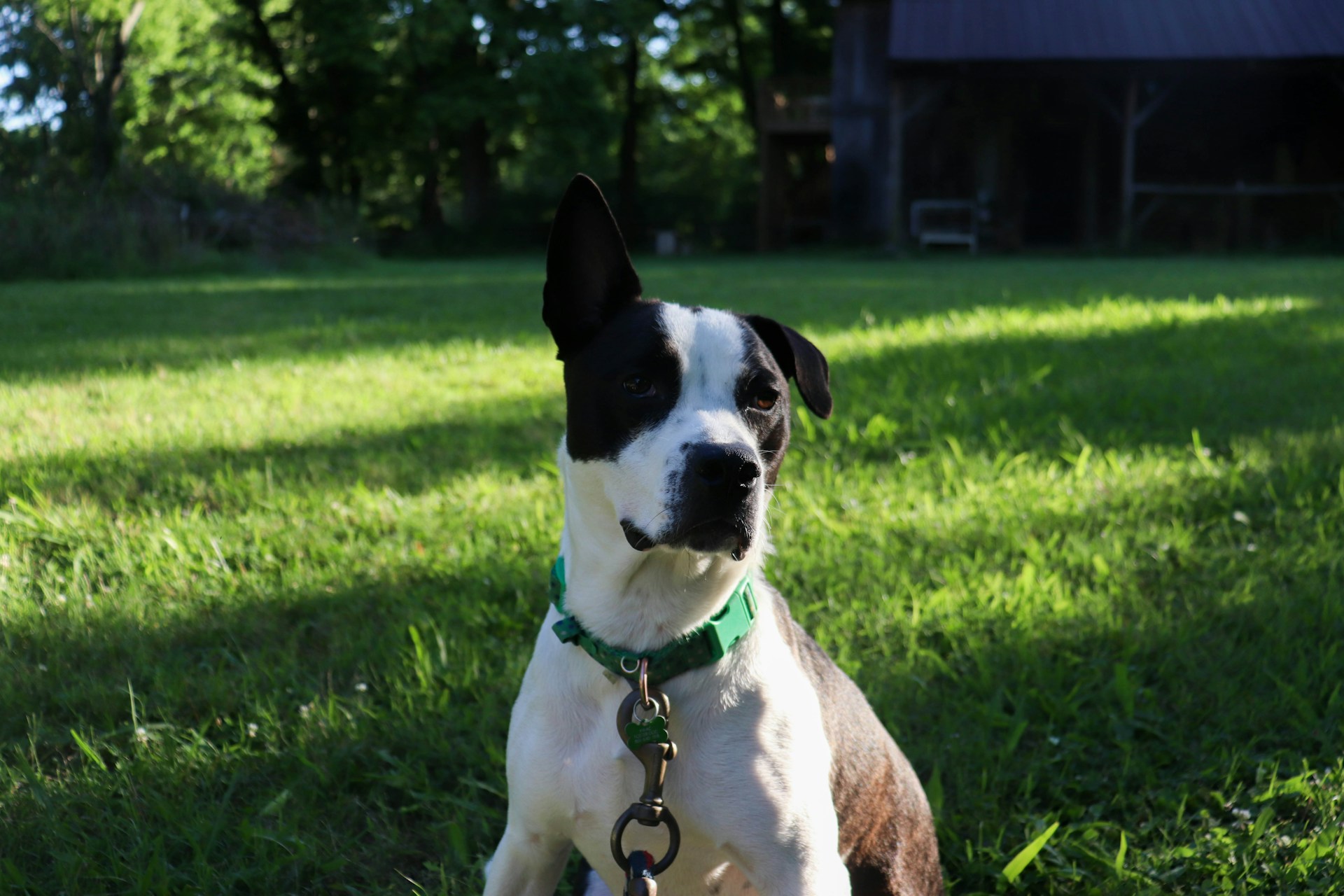
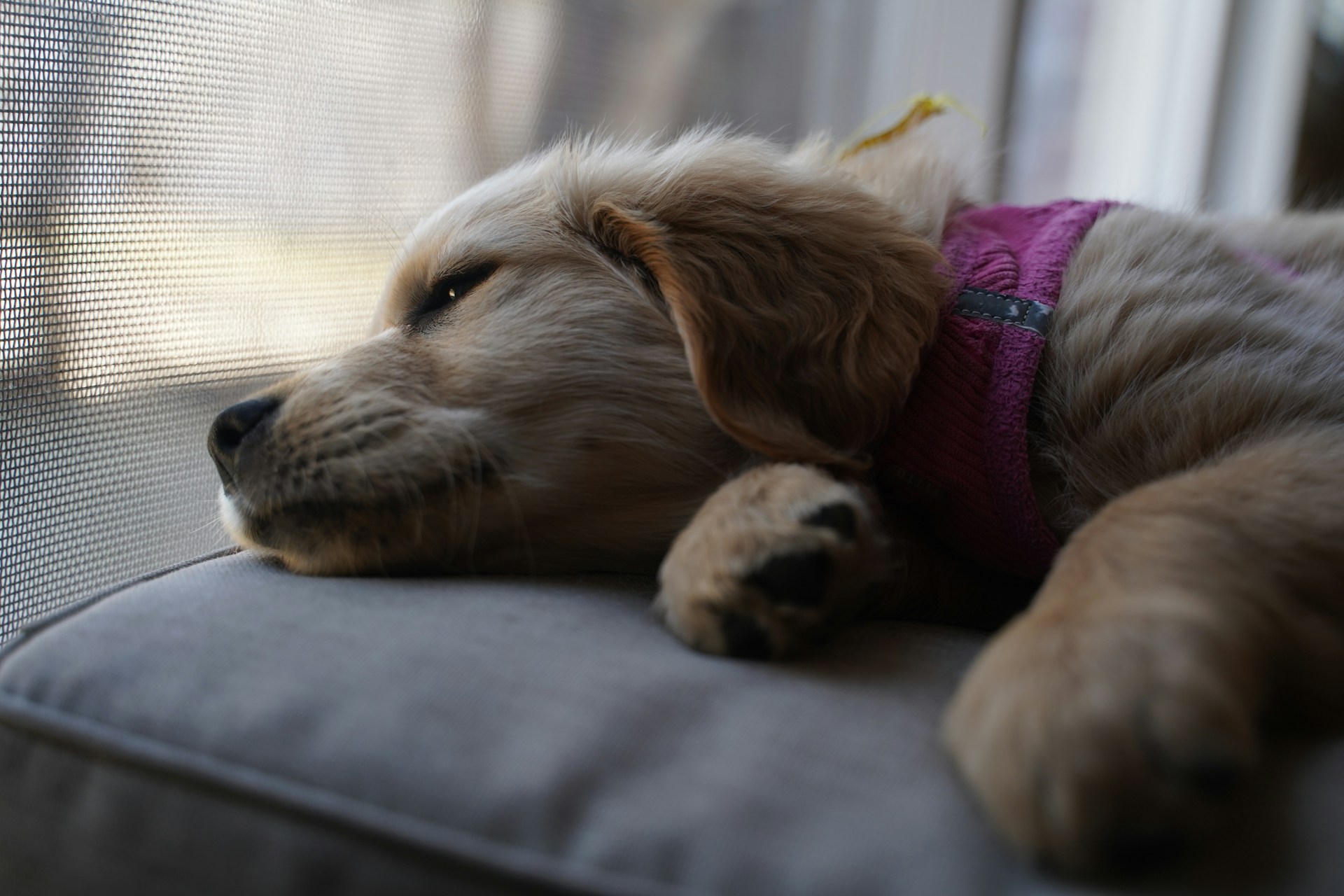
Your puppy wakes up from a nap, stretches, trots two steps, and squats on the rug before you reach the door. That little window between waking and peeing is where most accidents happen. A good puppy potty training schedule is built around those windows so you are already heading outside when your puppy needs to go.
A workable routine takes your puppy out first thing in the morning, within minutes of each meal, after naps and play, and right before bed, with extra trips whenever you see sniffing or circling. The clock gives you a starting frame. Your puppy's behavior tells you when to move a potty break earlier or later.
At Steve Good Dog, I work with new puppy owners in their own homes across Central Connecticut. A schedule works best when you treat it as something to adjust from week to week. You will be able to sketch a daily plan, read what your puppy is telling you, and change the routine as your puppy grows.
When Does Your Puppy Need a Potty Break?
Your puppy needs a potty break after any change in activity: waking, eating, drinking, playing, and settling down for the night. These transitions wake up the bladder and bowels, so they make better anchors than a fixed interval like "every two hours."
Start with Waking, Meals, Play, and Bedtime
Think of your day as a series of events, not hours. Each event below is a cue to walk to the door:
- Waking up, whether that is morning, after a nap, or after time in the crate
- Eating or drinking, since many young puppies need to go within a few minutes of a meal
- Play, including wrestling, chewing a bone, or zooming around the living room
- Excitement, such as a visitor arriving or a child coming home from school
- Bedtime, as the very last thing before lights out
The American Kennel Club lists these same moments and notes that a very young puppy may head outside a dozen times or more each day. That number surprises many new owners. It becomes easier once you see each trip as a response to an event.
Carry your puppy or clip on the leash right away after a nap. Walking slowly to the door gives a small puppy time to squat on the way. Go to the same spot each time, stand still, and wait a few minutes. When your puppy goes, praise calmly and offer a treat right after they finish.
Watch Your Puppy's Behavior, Not Just the Clock
Your puppy sends signals before an accident, and learning them is half the job. Common signs include:
- Sniffing the floor in a slow, focused way
- Circling or turning in one spot
- Suddenly stopping play and wandering off
- Whining, scratching at the door, or pacing
These signs vary by puppy. One puppy circles twice and squats. Another gets unusually quiet behind the couch. Spend the first week watching closely so you learn your own puppy's version.
When a signal shows up, go out even if a break is not "due." If your puppy pees right away, the gap between breaks may have been too long for that part of the day. If nothing happens after five minutes, come back in and keep watching. That tells you the signal may have meant something else, like boredom or a wish to explore.
Supervision makes this possible. A leash tethered to you, a baby gate, or a crate during short rest periods keeps your puppy where you can see those early signs. Use the crate only if your puppy is already comfortable in it.
What Could a Typical Day Look Like?
A typical day is a loop of wake, potty, eat, potty, play, potty, and rest, repeated three or four times. The sample below assumes a young puppy around 8 to 12 weeks old and a household that wakes near 6:30. Shift the times to fit your mornings. Keep the order.
Treat the listed outings as a framework, not a complete list. Add extra breaks during active periods, such as play, training, visitors, or a burst of zoomies.
Morning: Waking Up and Breakfast
- 6:30 a.m. Wake up and take your puppy straight outside. Skip the coffee for now.
- 6:45 a.m. Breakfast. Leave the bowl down for about 15 minutes, then pick it up.
- 7:00 a.m. Potty break after breakfast.
- 7:05 to 7:45 a.m. Short play or a quick training game, then another trip out.
- 7:45 a.m. Nap time in the crate or pen.
The AKC's sample daily puppy schedule suggests picking up the food bowl after 15 minutes. That habit makes digestion more predictable, so the post-meal potty break lands at a steadier time.
Mornings are busy in most homes, and one person can own the first trip outside. If different family members take turns, agree on the door, the spot, and the potty cue. Otherwise your puppy gets a slightly different lesson from each person.
Midday: Meals, Play, and Naps
- 10:00 a.m. Wake from nap, potty break, then play and a little training.
- 11:30 a.m. Potty break, then nap.
- 12:30 p.m. Wake, potty, lunch, and potty again within minutes.
- 1:00 to 2:00 p.m. Play, a short walk, and a final break before the afternoon nap.
- 3:30 p.m. Wake, potty, play, potty.
Young puppies sleep a lot, and the AKC notes some sleep up to 16 to 18 hours a day. Naps give you built-in reset points. Every wake-up is a potty trip.
Midday play often triggers an extra break. If your puppy is wrestling a toy and suddenly slows down or starts sniffing, pause the game and go out. You will likely see the same pattern at the same time of day, which makes it easy to plan.
Short outings also double as early leash practice. If your puppy pulls or stops to sniff everything, my guide on how to leash train a puppy can help you keep potty walks calm and focused.
Evening and Overnight: Bedtime and Wake-Ups
- 5:30 p.m. Dinner, then a potty break as soon as your puppy finishes.
- 6:00 to 8:00 p.m. Family time, play, and breaks after each burst of activity.
- 10:30 p.m. Last potty break, then bed in the crate.
- Overnight Take your puppy out if they wake and fuss, or set an alarm for a planned break.
Your puppy may need a trip or two overnight, especially at first. Puppies develop night-time bladder control at different rates, so don't treat any number of hours as a target your puppy has to meet. If you have questions about water in the evening, ask your vet what fits your puppy. Keep night trips dull: leash on, go to the spot, praise, and back to the crate with no play.
Many puppies get a burst of wild energy in the early evening. Plan extra breaks during that stretch. If the weather turns cold or snowy, my post on potty training a puppy in winter covers keeping this routine going through a Connecticut winter.
How Do You Adjust a Puppy Potty Training Schedule?
You adjust a puppy potty training schedule by changing one thing at a time and watching how your puppy responds for a few days. Move a break earlier, add a trip after a certain activity, or extend a gap by 15 to 30 minutes when things go well. Big jumps make it hard to tell what worked.
What If Your Puppy Pees Inside Right After Going Out?
Your puppy comes in from the yard and pees on the kitchen floor a minute later. This is one of the most common frustrations for new owners. It has several possible explanations, and one accident alone does not tell you which fits.
Look at what happened outside. Did your puppy spend the whole time chasing leaves, sniffing, or watching a neighbor's dog? Many puppies get distracted and forget to finish. Some pee a little, get praised, and still have more to go.
Try these changes for a few days:
- Stay out a few minutes longer and stand still in one boring spot.
- Keep your puppy on a leash so the trip is about potty, then play after.
- Allow enough time, and watch how your own puppy usually finishes before heading inside.
- If nothing happens, bring your puppy in and supervise closely for 10 minutes, then try again. A crate works here only if your puppy is already comfortable in it.
Clean accidents with an enzyme cleaner so the smell does not draw your puppy back. If the pattern continues even with longer trips, or your puppy pees small amounts very often, talk to your vet. Frequent peeing can point to a medical issue. Lifting a leg on furniture is a different pattern, and my post on how to stop a dog from marking in the house explains that difference.
Use a Simple Log to Spot Patterns
A log turns guesswork into a plan. For one or two weeks, write down each event with the time:
- Wake-ups and naps
- Meals and big drinks
- Pee and poop outside
- Accidents inside, with where and what your puppy was doing just before
A notebook on the counter or a note on your phone works fine. After three or four days, patterns show up. You might notice every accident happens 20 minutes after lunch, or during evening play.
Use what you see. If accidents cluster after lunch, add a break at 15 minutes after the meal. If your puppy goes outside every time within five minutes of waking, you can trust that part of the routine and focus elsewhere. A log also keeps busy households on the same page, since everyone can see what the last person did.
Consider Bell Training as an Optional Signal
Bell training a puppy gives them a clear way to ask to go out. It is optional. Some puppies learn to sit by the door, and that works too.
Hang a bell by the door you use for potty trips. Let your puppy sniff it and reward calm interest. Then ring the bell yourself each time you head out for a break. Many puppies catch on with this kind of steady repetition.
When your puppy rings it on their own, praise and go out right away. Some puppies learn that the bell means fun outside and ring it all day. If that happens, keep bell trips short and boring, on leash, straight to the potty spot. Your puppy learns the bell means potty time.
What Does Realistic Progress Look Like?
Realistic progress looks like fewer accidents over weeks, with setbacks along the way. You should see your puppy hold it a bit longer, show clearer signals, and go faster once outside. A bad day does not erase that trend.
Expect the Routine to Change as Your Puppy Grows
Your schedule at 8 weeks will look different from your schedule at 16 weeks. A common rule of thumb says puppies can hold it about one hour per month of age. Treat that as a loose guide. Some puppies need more frequent trips, especially when active or excited.
As your puppy grows, you will notice changes you can act on:
- Fewer meals. Many puppies eat three meals a day early on. When your vet suggests cutting back, the potty times around meals shift too.
- Longer naps and gaps. If your log shows dry stretches after naps, try stretching one gap at a time.
- Night changes. Your puppy may start sleeping through, and you can drop the alarm.
Stretch slowly. If you add 30 minutes and accidents come back, go back to the old gap for a week before trying again. Changes at home can cause a short slip, such as a new baby, guests, a move, or new flooring. Return to more frequent breaks until things settle.
Potty training also ties into other early skills. Coming when called during a potty trip is a good example. My puppy training tips for first-time owners round out the rest of those early weeks.
When to Ask for Potty Training Help or Veterinary Advice
Call your vet first when something looks physical. Reasons to call include:
- Peeing very often in small amounts, or straining
- Blood in urine or stool, or diarrhea that lasts
- Sudden accidents after weeks of steady progress
- Drinking far more water than usual
Reach out for puppy potty training help when the medical side is clear and progress stalls. Maybe the log shows no clear pattern, or family members are each doing something different. An outside view in your own home can sort out what is getting in the way. The layout of your house and the path to the door can play a part, as can the timing of praise.
If you adopted an adult dog, the approach shifts. Read my guide on how to potty train a rescue dog for that situation.
Frequently Asked Questions
How Often Should an 8-Week-Old Puppy Go Outside?
An 8-week-old puppy often needs to go out every hour or two while awake, plus after every meal, nap, and play session. Their bladder control is weak at this age. Watch for sniffing and circling, and go out right away when you see them.
Should a 12-Week-Old Puppy Follow the Same Routine?
A 12-week-old puppy follows the same event-based routine, often with slightly longer gaps between breaks. Some can go a little longer during calm stretches, but treat that as a loose guide, not a target your puppy has to meet. Use your log to decide which gaps to stretch, and keep breaks after meals, naps, and play.
Do I Need to Wake My Puppy for Potty Breaks at Night?
Some young puppies need one planned night break, especially in the first weeks home. Setting an alarm a little before your puppy usually wakes helps prevent crate accidents. Once your puppy stays dry through the night for a week or so, you can drop the alarm.
How Long Does It Realistically Take to Potty Train a Puppy?
Many puppies take about four to six months to become reliable, and some take longer. Age, breed, consistency at home, and past experiences all affect how long it takes to potty train a puppy. Expect steady progress with occasional setbacks along the way.
How Can I Keep a Potty Routine When I Work During the Day?
Arrange midday breaks with a family member, neighbor, or dog walker, and ask them to follow your door, spot, and cue. A pen with a designated potty area can bridge longer gaps for very young puppies. Keep mornings and evenings consistent so your puppy still gets a clear pattern.
Build a Routine Your Puppy Can Follow
The puppy who squatted on the rug after a nap did not need a stricter clock. They needed someone waiting at the door the moment they woke. That is what a good routine does. It puts you one step ahead of your puppy's body, and it changes as that body grows.
Start with the events that trigger potty needs, watch your puppy's signals, and keep a simple log. Adjust one gap at a time. When everyone in the house uses the same door, spot, and cue, your puppy learns faster. This kind of steady teamwork also sets up the foundation for later dog obedience training.
If accidents keep happening and you cannot see why, a one-on-one session in your own home can help. I look at your routine, your space, and your puppy's habits, and show your family what to adjust. Steve Good Dog serves Southington, Cheshire, Bristol, and nearby towns. You can ask for puppy potty training help and describe what your puppy is doing.
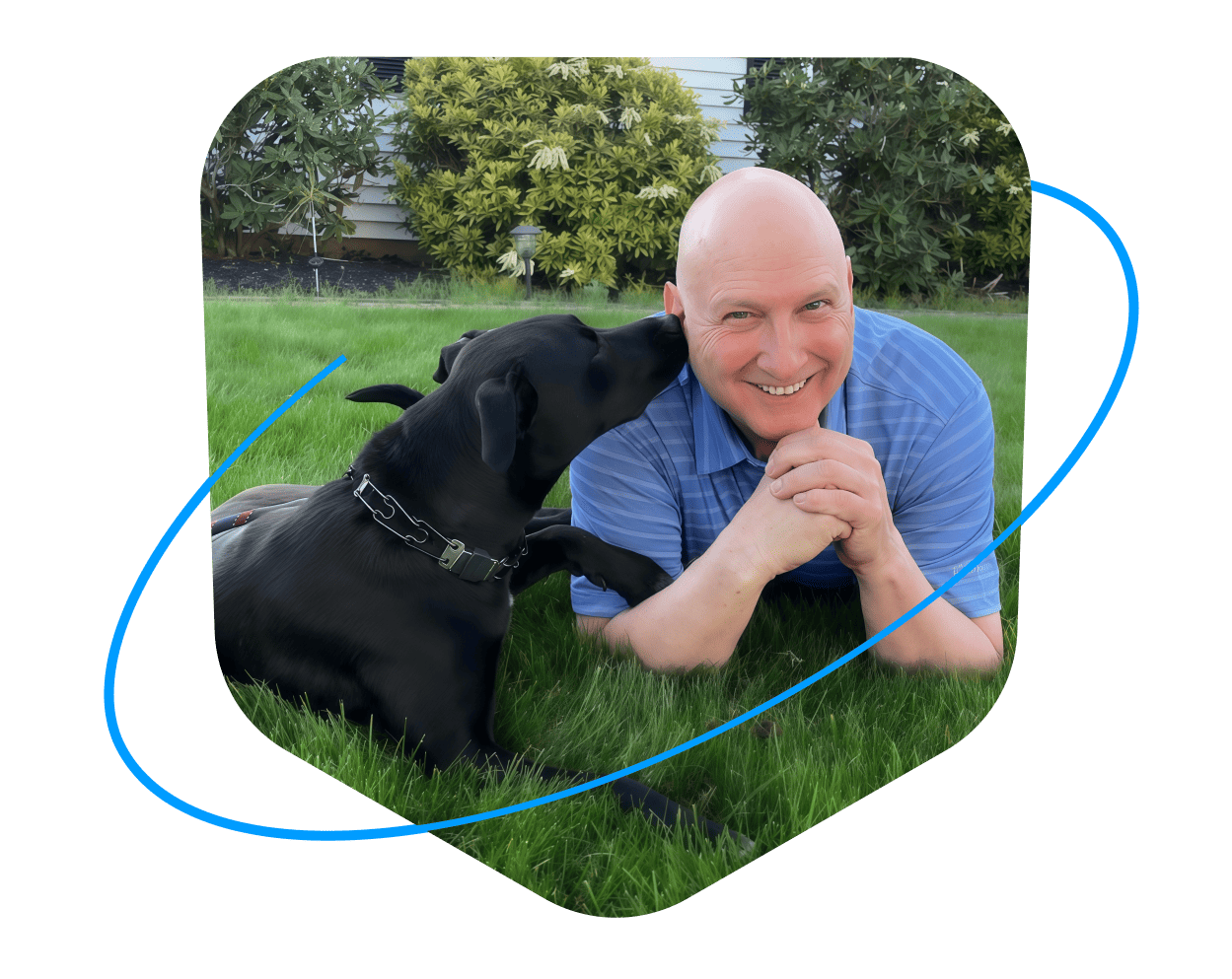
Personal dog trainer in Southington, Connecticut. Ten years of experience, more than 2,000 dogs trained, and a background training service dogs for Marines with PTSD.