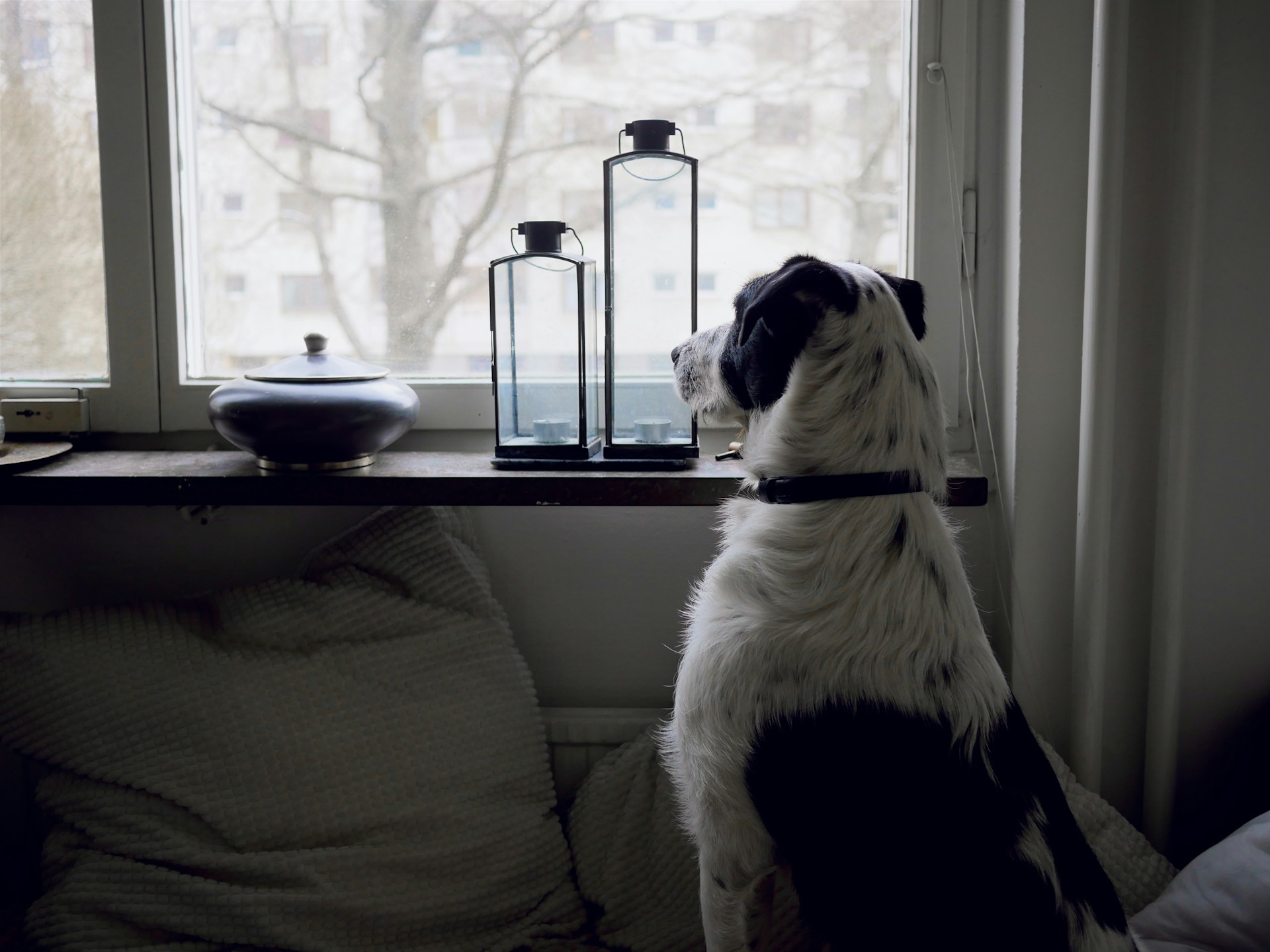
Your dog sits on the kitchen floor, hears "come," and trots right over. Then you open the back door, and the same word seems to disappear into the grass. The dog is not broken, and you are not failing. The cue was learned in one place and has not yet been practiced where squirrels, smells, and neighbors compete for attention.
Recall training works outside when you teach one clear cue, reward every return generously, and add distance and distractions in small, safe steps. A dog that comes indoors has already learned part of the skill. What is missing is practice in harder settings, built slowly enough that your dog keeps winning.
By the end, you will be able to tell name recognition apart from a true recall and practice outside on a line. You will also know what to change when your dog ignores you in the yard. I will also explain why a good recall is a different skill from staying inside yard boundaries, because owners often mix those up.
What Does Coming When Called Actually Mean?
Coming when called means your dog stops what it is doing, turns, and travels all the way back to you, even when something else is more interesting. That is a big request. You are asking the dog to leave a smell, a toy, or another dog, and pick you.
A reliable recall is one you can count on in most situations. Dogs are living animals, so no recall is perfect. The goal is a dog that responds eagerly and quickly, most of the time, in the places where you need it.
How Is Knowing Their Name Different from Coming Back?
A dog's name should mean "look at me." It is an attention signal. A recall cue means "come all the way to me now." Those are two separate jobs.
Many owners use the name as a recall. They say "Buddy!" and expect the dog to run over. Buddy looks up, which is exactly what his name taught him, then goes back to sniffing. From the dog's side, he answered the question.
Here is how you can tell which skill your dog has:
- Name recognition: Your dog glances or turns its head toward you, then may drift back to what it was doing.
- Recall: Your dog moves toward you and arrives close enough for you to touch its collar.
- Partial recall: Your dog starts toward you, then stops halfway or circles past you.
If you are raising a young dog, it helps to learn how to teach a puppy its name first. A puppy that reliably looks at you on its name is easier to call, because you already have its attention.
Why Does a Good Recall Not Keep a Dog in the Yard?
A recall only works when you are there to give the cue. It does nothing when you are inside making coffee and a deer walks past the property line. Staying inside a yard is a boundary skill, and it needs its own training and management.
Owners who search for how to train a dog to stay in the yard often hope recall will cover it. Recall helps you call the dog back once it starts to leave. It cannot stop a dog from leaving while you are not watching or calling.
An unfenced yard is never fully secure, even for a dog with an excellent recall. A secure fence or a leash keeps your dog safe, since watching your dog cannot physically stop an escape. If you want your dog to hold a position while you step away, working on how to teach a dog to stay builds that separate skill.
How to Start Recall Training Indoors
Start recall training inside your home, where your dog already pays attention to you and few things compete with you. Your dog's success indoors is your foundation. Strengthen it before you ask for anything harder outside.
Choose One Cue and Practice Short, Easy Returns
Pick one word for your recall cue and use it every time. "Come," "here," and "touch" all work. Everyone in the house needs to use the same word, or the dog hears three different signals for one job.
If your current cue has been shouted many times without a response, consider a fresh word. Trainers call an overused cue "poisoned," and switching to a new recall word and starting over is a common fix.
Try this short practice:
- Stand a few feet from your dog in a quiet room.
- Say the cue once in a happy voice.
- Help your dog succeed by clapping, stepping backward, or crouching.
- Reward as soon as your dog reaches you.
- Repeat three to five times, then stop while your dog is still eager.
Watch how fast your dog moves. A quick, loose trot usually means the distance is right. A slow walk or a pause suggests you should shorten the distance or improve the reward.
Reward the Return, Not Just the First Step Toward You
Pay your dog when it arrives, close enough to touch. A dog rewarded from a few feet away learns that "close-ish" counts. That habit shows up outside as a dog that stops just out of reach.
Positive reinforcement means giving your dog something it wants right after the behavior you like. For recall, that behavior is arriving. Use high-value treats your dog does not get every day, such as small bits of chicken or cheese. Save them for recall so they stay special.
Add a gentle collar touch before the treat. Your dog learns that a hand on the collar leads to good things. This matters later, because you will need to clip a leash on outside without the dog dodging away.
If you want more background on why reward-based methods build trust, I explain it in positive reinforcement vs. dominance training.
How Do You Practice When Outside Is More Interesting?
You practice outside by giving your dog more room while keeping the dog safely attached, then raising difficulty one small piece at a time. Outside, you compete with the whole world. Your job is to make each step easy enough that your dog still chooses you.
Use a Training Line in a Safe, Low-Distraction Space
A training line is a long leash, often 15 to 20 feet or longer, that lets your dog wander while you stay connected. The line keeps your dog safe and stops it from practicing running off. Attach it to a well-fitted harness rather than a collar. Use it to manage the situation, and avoid sudden stops or jerks that could injure your dog. Avoid reeling the dog in like a fish, too.
Pick a boring spot for your first sessions. A fenced backyard in the early morning works well. A busy park at noon does not.
Let your dog sniff at the end of the line. When it pauses or looks up, give your cue once. If your dog ignores you, walk up the line calmly, gathering it as you go, and try again from closer. If you are still teaching leash basics, my guide on how to leash train a puppy comes first.
Increase Distance and Distractions One at a Time
Change one thing at a time. If you add distance, keep the setting quiet. If you add a distraction, move closer again.
Here are ways to raise the challenge, roughly from easy to hard:
- Call from farther away in the same quiet yard.
- Call while a family member stands nearby holding a toy.
- Call while your dog is sniffing a fresh spot.
- Practice in a new, safe place such as a friend's fenced yard.
- Call while another calm dog plays at a distance.
Before any off-leash practice, your dog should be coming back quickly and consistently on the long line, including around distractions. Even then, early off-leash tries belong in a secure, enclosed area with few distractions. Choose a place where off-leash dogs are allowed, away from roads or other hazards. Off-leash training and off-leash recall involve more decisions about safety and local rules. I cover those in how to train a dog off leash.
Try Short Games That Make Returning Worthwhile
Recall games keep practice fun and let you get many repetitions without boring your dog. A few that work well:
- Hot potato: Two people stand apart and take turns calling the dog. Each caller rewards.
- Run away: Get your dog's attention, then jog backward and call. Most dogs love to chase.
- Hide and seek: Once your dog knows the cue, call from another room or behind a tree in the yard.
Stop each game while your dog still wants more. Short sessions of a few minutes keep enthusiasm high.
What If Your Dog Ignores You Outside?
When your dog ignores you outside, treat it as information about the setting. It is rarely defiance. Something about that moment was harder than your training has prepared the dog for.
Check Whether the Distraction Is Too Difficult
Look at what your dog was doing when it did not respond. Was it nose-down in a fresh scent? Staring at a squirrel? Greeting a neighbor through the fence?
Each of these is a different level of difficulty. A dog that comes away from grass but not from a squirrel is showing you where its current limit is. Write down what worked and what did not, so you know which distractions need more practice.
Also check your reward. A dry biscuit rarely beats a squirrel. Outside, you may need your best treats or a favorite toy.
Avoid Repeating the Cue or Making Every Return End the Fun
If your dog does not come after one or two cues, stop calling. Repeating the word teaches your dog that the cue is background noise. Walk to your dog calmly, clip the leash on or take hold of the line, and practice again closer.
Pay attention to what happens after your dog comes back. If recall always means leash on, game over, and back inside, your dog learns to avoid it. That is often why a dog that comes indoors ignores you outside: coming in means the fun ends.
Mix it up. Call your dog, reward, then send it back to sniff or play. Do this several times before the one recall that ends the outing. Never scold a dog for arriving slowly, since that makes the next return less likely.
Step Back to an Easier Setting When Progress Stalls
If your dog's recall seems to fall apart, go back to a place where it last worked well. That might mean the kitchen again for a few days. Stepping back is a normal part of training.
Increase the value of your rewards while you rebuild. Then move forward more slowly. Watch for signs your dog is ready: quick turns, happy running, and arriving close without circling.
If you have tried these steps and your dog still ignores you, an outside view helps. Sometimes a small timing or body language habit is the missing piece, and it is easier to see in person.
Frequently Asked Questions
How Long Does It Take to Teach a Dog to Come When Called?
Most dogs learn the basic idea indoors within a few days of short daily practice. A dependable recall outside around distractions takes weeks to months, depending on the dog and how often you practice. Recall also needs lifelong upkeep, so keep rewarding it.
Can an Adult Dog Learn to Come When Called?
Yes, adult and rescue dogs can learn a strong recall. If an old cue has been ignored many times, starting with a brand-new word often helps. Begin indoors and build up just as you would with a puppy.
Why Does My Dog Come Indoors but Ignore Me Outside?
Outside has far more competing smells, sounds, and animals than your living room. Your dog may not have practiced the cue in harder places yet, or coming back may often end the fun. Rebuild outside on a training line with better rewards and easier distractions first.
Should I Teach My Puppy Its Name Before Teaching "Come"?
It helps to teach the name first, because a puppy that looks at you on its name is easier to call. Keep the name as an attention signal and use a separate word for coming back. You can practice both in the same short sessions.
Will Coming When Called Keep My Dog in an Unfenced Yard?
No, recall only works when you are present and calling. It does not stop a dog from leaving when you are not watching. Use a secure fence or a leash to keep your dog safe in the yard, since watching alone cannot physically stop an escape.
Build the Return Before You Need It
The best time to build your recall is on ordinary days, long before an emergency. Every easy, rewarded return is practice for the day your dog heads toward a road or an open gate. You cannot create that response in the moment; you can only draw on what you already built.
The gap between the kitchen and the backyard is a gap in practice, not in your dog's intelligence. Close it slowly. One cue, big rewards for arriving, and small steps outside will carry that indoor success out the door. Keep a fence or a line in place while you work, since a recall does not replace a secure boundary.
Recall can be easier to fix with help, because timing and household consistency matter so much. Recall is part of the dog obedience training Steve Good Dog offers in one-on-one, in-home sessions across Central Connecticut, where Steve can work in your own yard. If your dog still ignores you outside, you can ask about in-home recall training and describe what your dog is doing. If you have a young dog, my puppy training tips for first-time owners are a good companion read.
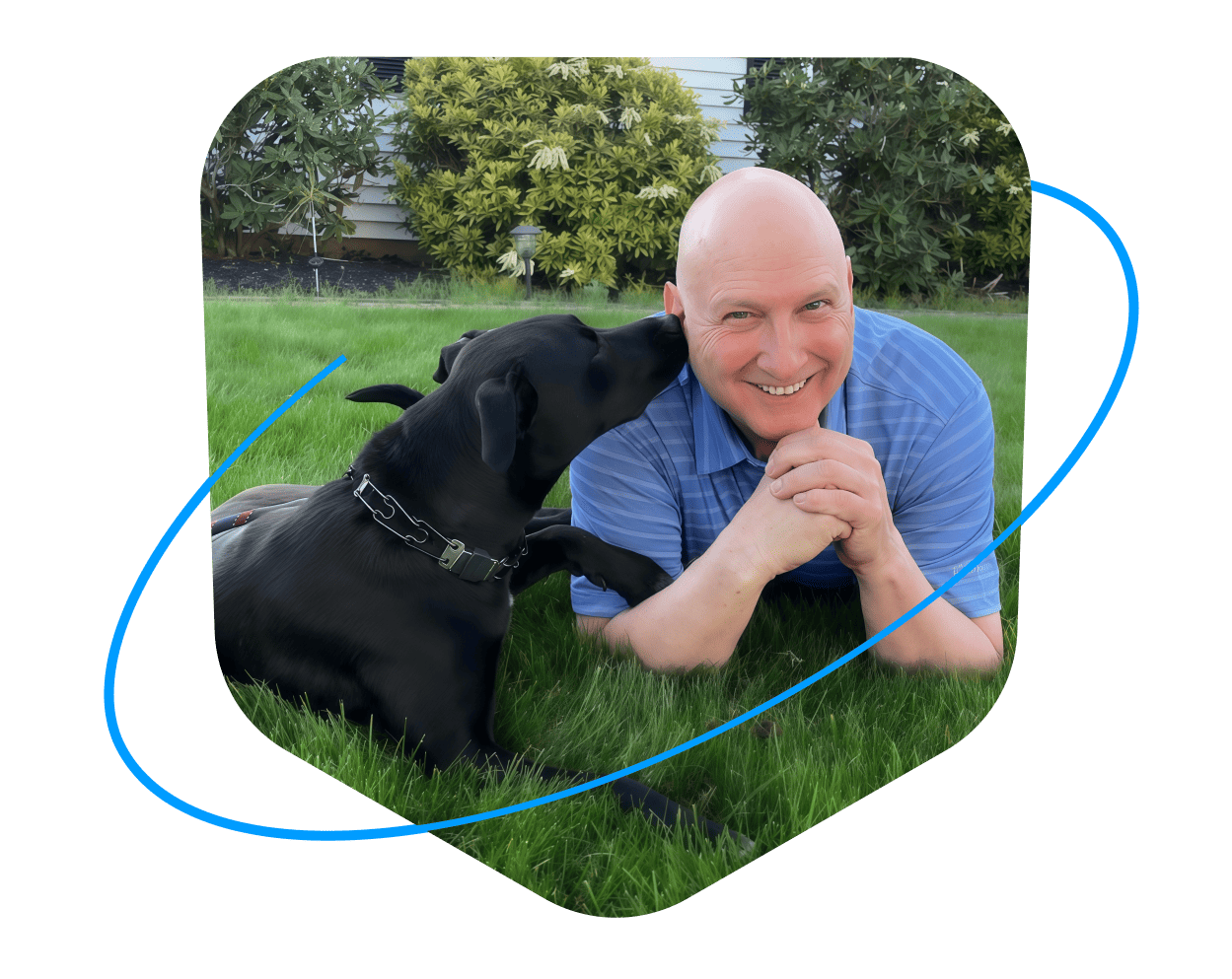
Personal dog trainer in Southington, Connecticut. Ten years of experience, more than 2,000 dogs trained, and a background training service dogs for Marines with PTSD.