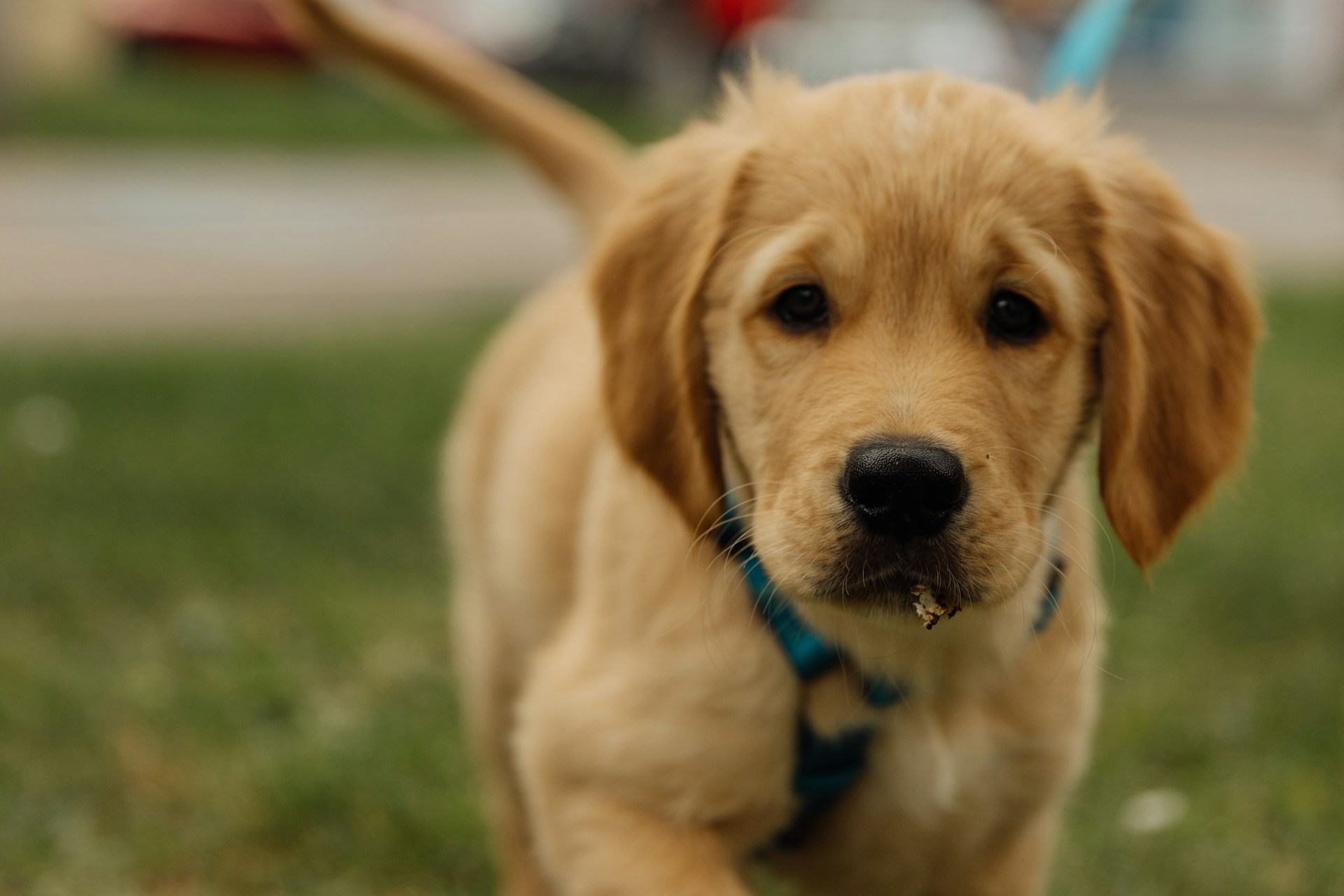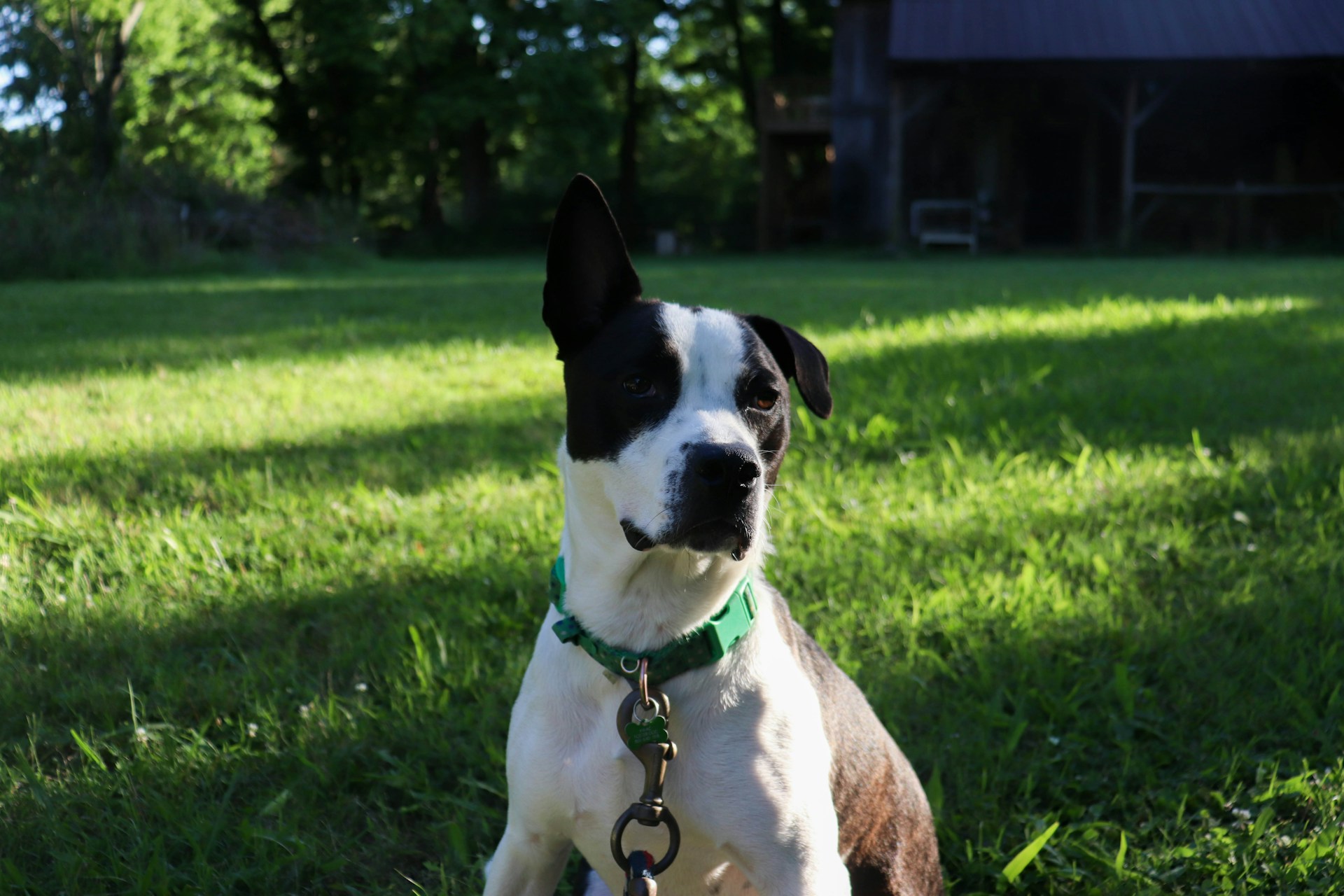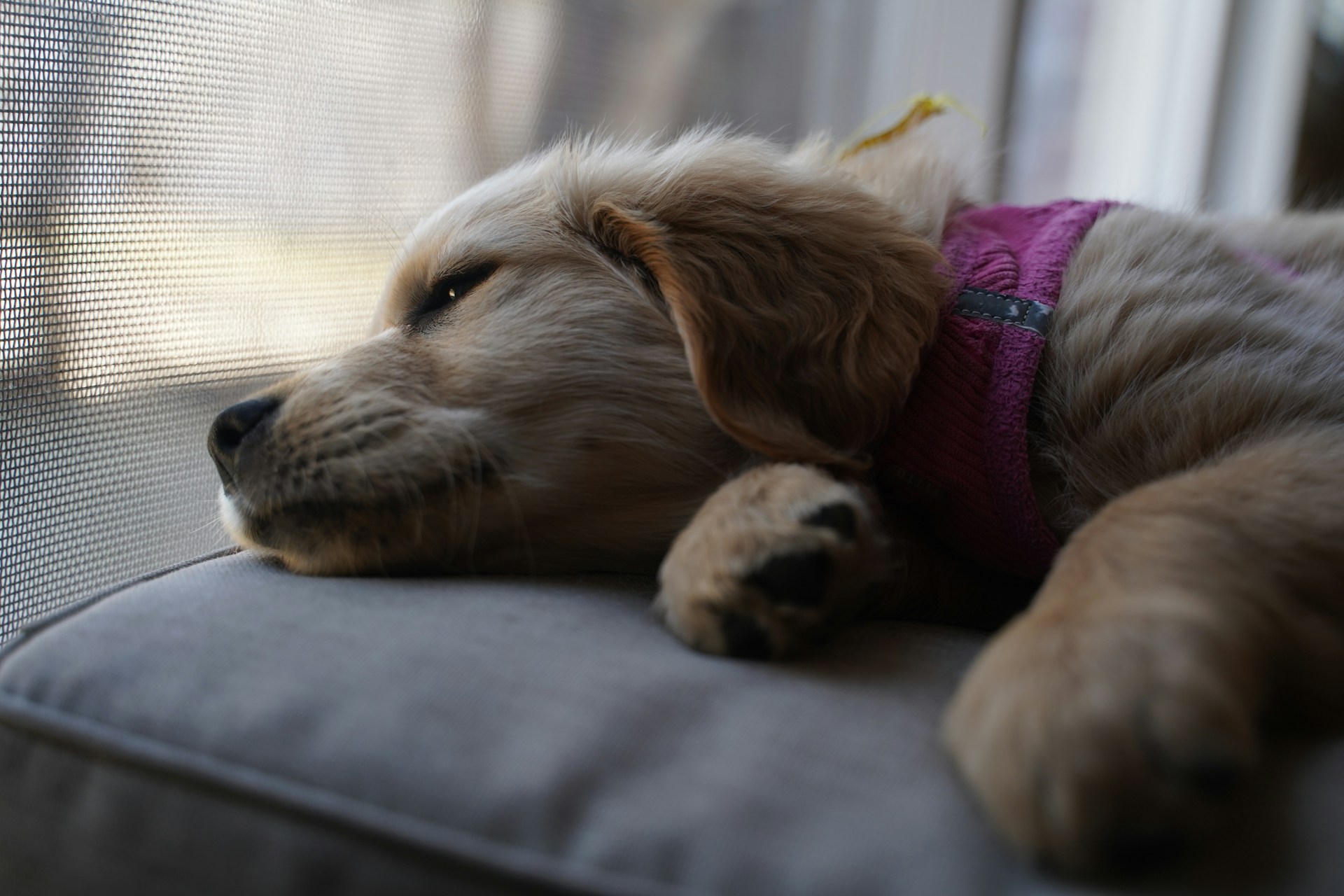
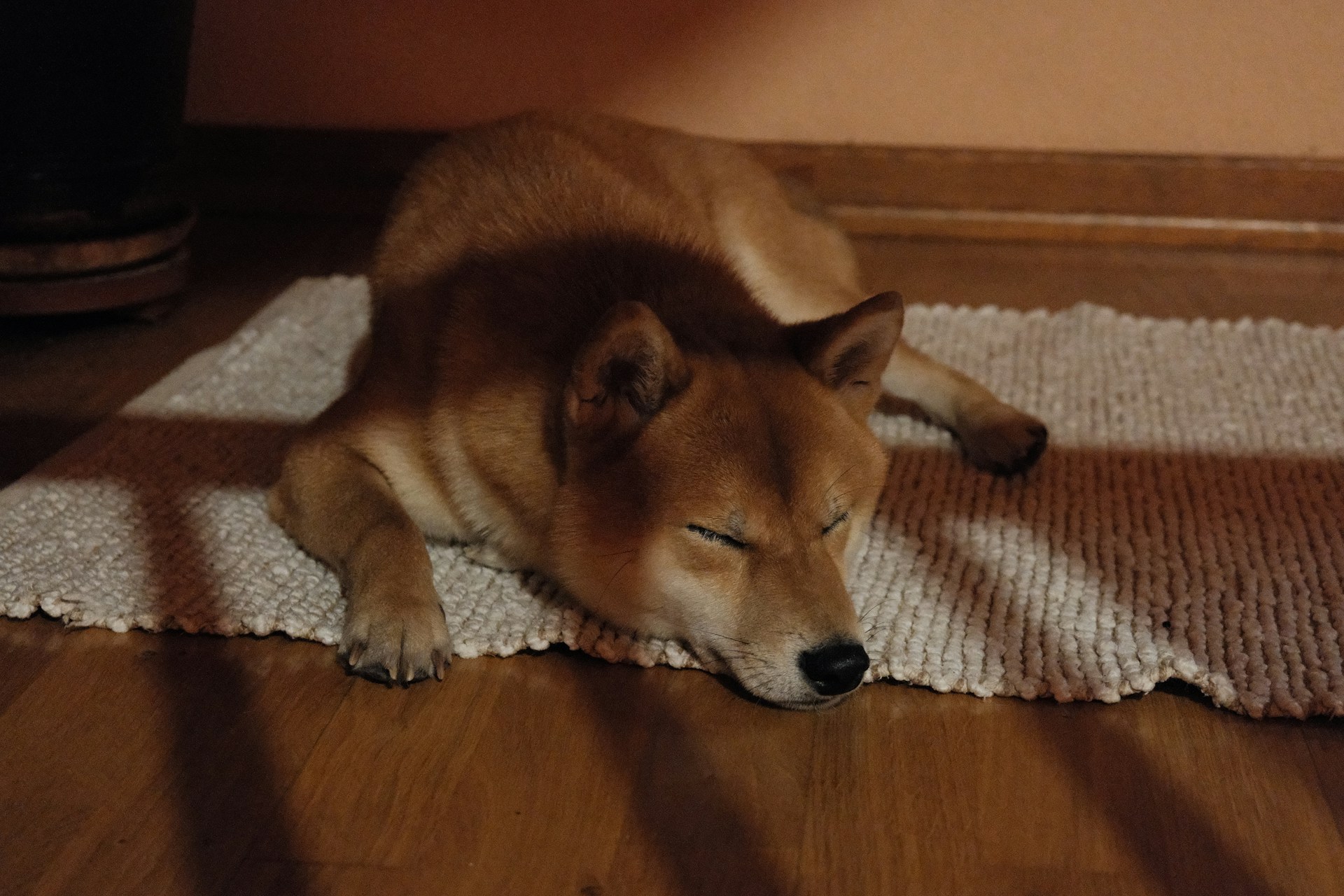
A dog stands at the edge of a new rug, one paw lifted, nose working, body angled slightly back. She wants to step on it, and she also wants to leave. What she does next depends on what the next few seconds feel like. If nothing pushes her and something good happens when she tries, she learns that trying works. That small moment on the rug is where confidence starts.
If you're wondering how to build confidence in a dog, start with those moments. You build confidence by giving your dog small challenges she can choose to take on, rewarding each try, and raising the difficulty only after she handles the current level with ease. Big exposures and forced greetings tend to backfire. Many small wins in familiar places add up to a dog who is braver in new ones.
You will learn how to read when your dog is ready to try something, set up easy wins at home, and move those skills onto walks and around people. You will also see how to handle one specific fear and when a problem calls for individual help. Progress here is measured by how your dog copes and recovers, and that changes how you plan each next step.
How Can You Tell When Your Dog Is Ready to Try?
Your dog is ready to try when her body shows interest outweighing worry, and she can still take food, sniff, and move loosely. Readiness shifts from minute to minute. The same dog can be curious on Tuesday morning and overloaded on Saturday afternoon, so you read her each time.
Notice Curiosity, Hesitation, and Stress
Think of your dog's signals in three rough groups. They blend together, and one signal alone rarely tells the whole story. Look at the whole body and the setting before deciding what she feels.
- Curiosity: loose body, ears forward or relaxed, nose working toward the new thing, steady forward steps, willing to eat.
- Hesitation: weight shifted back, a paw lifted, stretching the neck to sniff without moving the feet, slow approach, looking back at you.
- Stress: tail tucked, ears pinned, lip licking, yawning, crouching, turning away, refusing treats, or freezing.
The ASPCA describes how an anxious or scared dog tries to look smaller, crouching, lowering the head, and looking away. Many dogs show a mix of signals when they feel torn. A wagging tail on its own does not mean your dog is comfortable, so read it alongside the rest of her body.
Hesitation is a good place to work. Your dog is thinking, not panicking. Stay still, keep your voice calm, and let her decide. If hesitation tips into stress, add distance or end the moment.
Measure Progress by Recovery, Not Closeness
Watch how fast your dog bounces back after something startles her. That speed tells you more than how close she got to the scary thing. A dog who jumps at a dropped pan and sniffs around again within seconds is gaining ground.
Picture the dog at the rug again. On day one, she steps back, circles the room for a minute, and returns to sniff the edge. A week later, she steps back, shakes off, and puts a paw on within ten seconds. She never walked across it either day. She still made clear progress.
Track a few simple things in a notebook or on your phone:
- How long it takes her to eat again after a startle
- Whether she returns to explore on her own
- How loose her body looks a minute later
- Whether she stays engaged with you
If recovery is getting shorter, you can make the next step a little harder. If it gets longer, make the next step easier.
Start with Small Wins at Home
Home is the best place to start building confidence in dogs because the space is familiar and you control what happens. Your dog does not have to cope with traffic or strangers while she learns that new things can be good. Early wins here give you a baseline for harder settings later.
Let Your Dog Choose to Explore
Choice builds confidence because your dog learns her own actions lead to good results. Set up a new object and let her investigate at her pace. Do not lure her closer with food held at the object or pull her toward it.
Try a flattened cardboard box on the floor, a folded towel, or a low step stool on its side. Sprinkle a few treats near it, not on it. Sit nearby and wait. When she sniffs, touches, or steps on it, say "yes" softly and toss a treat.
The ASPCA runs a sensory garden for extremely fearful dogs at its Behavioral Rehabilitation Center. Dogs explore new textures, scents, and low obstacles on their own terms. You can copy the idea on a small scale with safe household items and new surfaces.
If your dog walks away, let her. Leave the object out and try again later. Some dogs need to see a new thing sit harmlessly for a day before they touch it.
Try Easy Scent Games and Achievable Tasks
Sniffing and simple puzzles give dogs a job they can succeed at quickly. Start so easy that your dog cannot fail.
- Let her watch you drop a treat on the floor, then say "find it."
- Next, drop the treat behind a chair leg while she watches.
- Then hide one under a paper cup that is easy to knock over.
- Later, hide treats in a rolled towel or a muffin tin with tennis balls on top.
Watch how she solves each one. Pawing, nosing, and trying again are signs of growing persistence. If she gives up or walks off, go back one step and make it easier.
Known cues work the same way. Asking for a sit or a hand touch she already knows, then paying well, gives her a sure win. Solid basics from dog obedience training become useful tools when she later feels unsure somewhere new.
Make One Small Change Once a Skill Feels Familiar
When your dog does a task easily and happily several sessions in a row, change one thing only. Keep everything else the same so she can succeed.
- Move the scent game to a different room.
- Use a new object for the same "step on it" game.
- Practice hand touches while sitting on the floor instead of standing.
- Add a mild sound, like a radio on low, in the next room.
If she handles the change well, keep it for a few sessions. If she stalls, go back to the easier version and try a smaller change. If your dog struggles to take part in even simple sessions, this guide on how to train a shy dog covers adjusting individual lessons.
Take Familiar Skills into New Places
Once your dog handles games and cues at home, bring those same skills outside, where each familiar task becomes a small anchor in a busier world. Start with the quietest version of each new place and work up.
How to Build Confidence in a Dog on Everyday Walks
Knowing how to build confidence in a dog on walks starts with letting her sniff. Sniffing is how dogs take in a new area, and a dog who can sniff is often calmer than one hurried along. Give her time at mailboxes, bushes, and grass edges.
Pick quiet routes at quiet times at first. In a Southington or Cheshire neighborhood, that might mean early morning side streets instead of a busy main road. Bring the games from home. A "find it" on a lawn or a quick sit for a treat gives her something easy to do when the world feels big.
Use a longer leash where it is safe, so she can move away from things that worry her. Watch her recovery after a car passes or a door slams. If she shakes off and goes back to sniffing, the walk is at the right level. If she keeps scanning or pulls toward home, shorten the walk or pick an easier route next time.
Give Your Dog Space Around New People and Dogs
Distance is your best tool when your dog meets new people or other dogs. A dog scared of strangers does not need to be touched to make progress. She needs to see people exist without anything bad happening.
Cross the street or step off the path when someone approaches. Let her look, then pay her with a treat. Ask visitors to ignore her at first, no eye contact or reaching. The ASPCA advises letting a dog progress at their own pace and never forcing contact when she is clearly fearful.
Success might look like your dog glancing at a neighbor and then sniffing the grass. That calm coexistence counts as a win. For young puppies still in their early learning window, puppy socialization classes can add safe, guided variety.
What If Your Dog Is Afraid of a Specific Trigger?
A specific fear, like the vacuum, men in hats, or skateboards, needs a more careful plan than general confidence games. Trainers often use desensitization and counter-conditioning together. In plain terms, you show the scary thing at a level she can handle and pair it with something she loves.
Keep Exposure at a Comfortable Distance
Start where your dog notices the trigger but can still eat, sniff, and move loosely. That point might be across a yard, down a hallway, or with the vacuum turned off in a far corner. You adjust distance, volume, or movement to keep it low.
For a vacuum, you might start with it sitting still in another room. Next, it sits closer. Later, you move it without the motor running. Only after all of that do you turn it on, briefly, far away.
If your dog stops eating, freezes, or tries to leave, you went too far. Back up to the last easy level. Forcing a dog to face a fear up close tends to make it worse.
Pair Manageable Encounters with Something Your Dog Enjoys
Counter-conditioning links the trigger with a very good thing. The trigger appears, then the treat comes. The trigger goes away, the treats stop. Over time, your dog starts to expect good things when the trigger shows up.
Use a food she rarely gets, like small bits of chicken or cheese. Keep sessions short, a few minutes at most. Give the treat whether or not she reacts, since the goal is to change how she feels. If she reacts strongly, make the next session easier.
Signs it is working include her looking at the trigger, then turning to you for a treat. Her body loosens, and she recovers faster. Once that happens reliably, move a little closer or add a little more.
Know When to Seek Individual Help
Some fears need more than home practice. Get individual help if your dog growls, snaps, lunges, or bites, or if fear appears suddenly. Also get help if she cannot settle at home or panics when left alone.
Pain can drive behavior changes, so a vet visit is a smart first step for any sudden change in fear or behavior.
Distress when you leave is its own problem; see this guide on dog separation anxiety training. Fear that turns into growling or snapping is covered in fear aggression in dogs. If reactions to people or dogs are serious, read how to socialize an aggressive dog before any exposure work.
Frequently Asked Questions
How Can I Help My Dog Feel More Confident Around Strangers?
Let your dog watch strangers from a distance where she stays relaxed, and reward her calm looks. Ask visitors to ignore her and let her choose to approach. Never force greetings, since dog anxiety with new people often grows when contact is pushed.
What Can I Do if My Dog Is Nervous on Walks?
Choose quiet routes and times, and give her plenty of time to sniff. Bring easy games like "find it" so she has a familiar task. Shorten the walk if she keeps scanning or pulling toward home, and build up slowly.
Can an Older Rescue Dog Become More Confident?
Yes, dogs keep learning throughout their lives, including older rescues. Start at home with choice-based exploring and simple scent games. Progress may be slower for a dog scared of everything, so measure it by faster recovery.
How Do I Build Confidence in a Puppy Without Overwhelming Them?
Keep new experiences short, positive, and at your puppy's pace. Offer one new thing at a time, like a new surface or a calm visitor, and let the puppy retreat. Watch for stress signals and end sessions while your puppy is still happy.
When Should I Ask a Veterinarian or Trainer for Help?
Ask a vet first if fear or behavior changes suddenly, since pain or illness can play a role. Contact a trainer if your dog growls, snaps, lunges, or cannot settle despite home practice. Fearful dog training works best when guided by someone who can see your dog in person.
Let Small Successes Set the Pace
Your dog's small wins tell you when to move forward. A paw on the rug, a quick recovery after a noise, or a calm glance at a stranger all count. When she shows you ease several times in a row, add one small challenge. When she struggles, go back one step without worry.
There is no fixed timeline. Some dogs gain ground in weeks; others need months, and some fears may only ease partway. What you are building is a habit of trying, and a dog who trusts that you will not push her past what she can handle.
If you want help reading your dog's signals and planning each step, Steve Good Dog offers one-on-one sessions in your home across Central Connecticut, or online. You learn the skills alongside your dog, right where her worries show up. You can ask about in-home help for a fearful dog, describe what your dog is doing, and find out how Steve would approach it.
Personal dog trainer in Southington, Connecticut. Ten years of experience, more than 2,000 dogs trained, and a background training service dogs for Marines with PTSD.