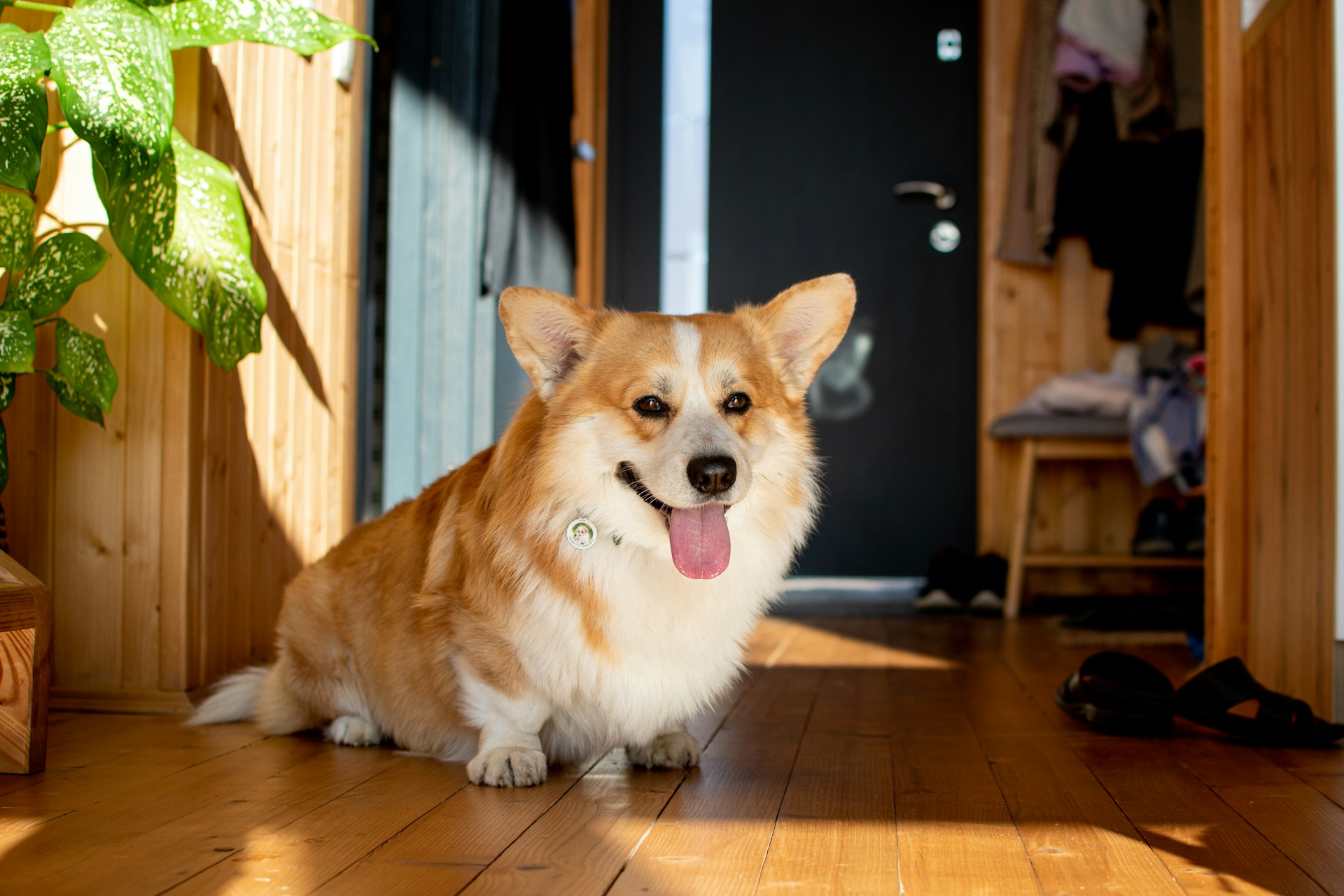
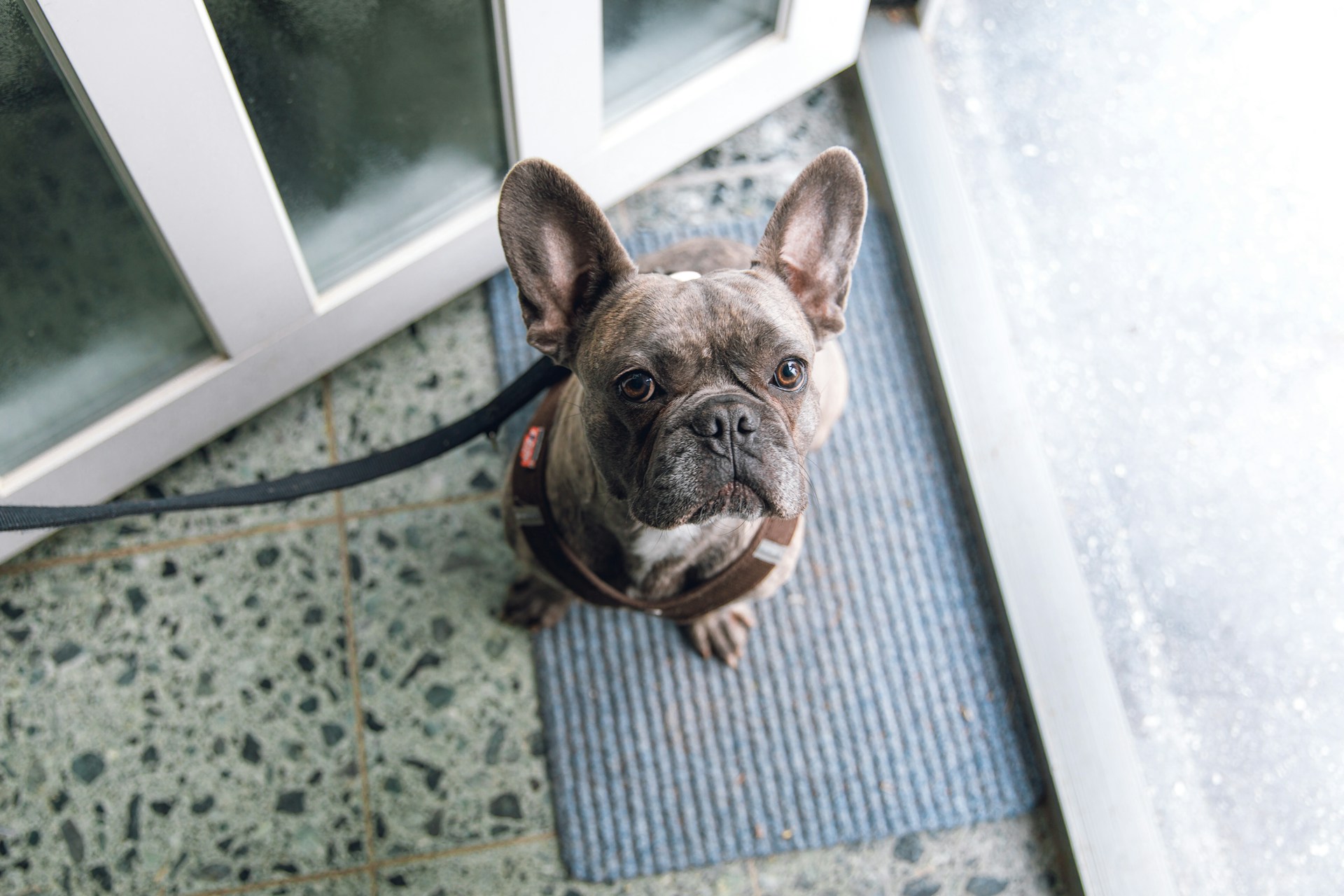
You ask your dog to sit in the kitchen, a cue she knows well, and she goes still. Her ears drop and her eyes slide away. The treat in your hand might as well be invisible. It is tempting to repeat the cue louder or wait her out, but a dog who freezes is telling you something about how the moment feels to her.
When you're learning how to train a shy dog, start by making every request small enough that your dog can still think, then build from there. That means adjusting four things you control: the setting, the distance from whatever worries her, the size of the request, and the reward. A frozen dog has not decided to ignore you. She has hit a point where responding feels like too much.
Once you can spot that point and move back from it, practice starts to feel different for both of you. You will be able to read the early signs of shutdown and choose an easier next step. You will also know when a pattern needs more than a training tweak.
How to Train a Shy Dog When They Freeze During Practice
Stop asking, give your dog space, and try again only after she can move and eat. A freeze means the lesson has already become too hard. Pushing through it teaches your dog that practice is a place where she feels stuck.
A fearful dog under stress often loses the ability to process cues she knows by heart. Anxiety takes up the room she needs for learning. Your job in that moment is to make the situation easier, and to save the lesson for later.
Notice When Your Dog Can No Longer Respond
Freezing is often the last signal in a chain. Earlier signs tend to show up first, and catching them gives you time to adjust before your dog locks up. Watch for:
- Slowing down, or taking longer and longer to respond to a familiar cue
- Lip licking, yawning, or sudden sniffing at the floor
- A lowered tail, tucked body, or ears pinned back
- Turning her head away or avoiding your eyes
- Refusing a treat she would normally take
- Stiffening, then going still
Some of these signs look small or unrelated. A dog who stops to scratch on her way to you may feel torn about coming closer. The Merck Veterinary Manual describes these "displacement" behaviors as a way dogs cope with conflict. One sign alone does not prove your dog is afraid. A cluster of them during practice is worth taking seriously.
It helps to keep brief notes or record a short video on your phone. Write down where you were, what you asked, and what happened just before she slowed down. Patterns show up faster on paper than in memory. Tail position is part of the picture too, so read it in context.
Change the Setting or Add Distance Before Trying Again
When your dog freezes, step away from whatever seems to be bothering her. Walk a few feet back, turn to face another direction, or move to a quieter room. Then wait until she can take a treat and move loosely before you ask for anything.
The setting often plays a bigger role than owners expect. A dog who sits happily in the living room may freeze in the front hall, where the door, the street noise, and visitors all come together. Try these adjustments one at a time:
- Move to her favorite room. Choose a place where she rests and plays with ease.
- Turn off extra noise. Shut off the TV, close a window, or practice when the kids are out.
- Add distance. If a person, dog, or object worries her, double your space from it.
- Lower your body. Some dogs relax when you kneel or sit sideways instead of standing over them.
Her response tells you what to do next. If she eats and responds after you move, you found a workable spot. Practice there for a few days before you creep back toward the harder area. If she still cannot eat or move, end the session and let her rest.
Make Each Training Request Easier to Answer
Much of how to train a shy dog comes down to one idea: she learns best when she succeeds almost every time you ask. Each success builds a little trust that practice is safe and predictable. That sense of predictability is often what nervous dogs need most before they can take on anything new. It helps outside sessions too: steady times for meals, walks, and rest, and a familiar routine when visitors arrive, leave her fewer surprises to cope with.
Reward-based dog training fits this goal. A position statement from the American Veterinary Society of Animal Behavior (AVSAB) says the learner must always feel safe and be able to "opt out" of a session. That idea shapes both subsections below. For a fuller look at why this approach works, see this comparison of positive reinforcement vs dominance training.
Start with a Familiar Skill and Reward Small Attempts
Open each session with something your dog already does with ease. For many dogs that is a sit, a hand touch, or simply looking at you. Reward it right away. This warms her up and reminds her that the game pays well.
When you add something new, break it into tiny pieces. Say you want a down, but your shy dog freezes when you lure her to the floor. Reward her for lowering her head. Then reward her for bending her elbows a little. Then reward a half down. This step-by-step method is called shaping, and it lets her earn rewards long before the full skill appears.
Use positive reinforcement she cares about. Soft, smelly treats often beat dry biscuits for nervous dogs. Some dogs prefer a toy or a calm scratch on the chest. If your dog snatches treats hard or stops eating, that is useful feedback: the request may be too big. Go back to the last step she found easy.
If you want a stronger base of cues to draw from, this guide to dog obedience training covers the core skills that make these warm-ups work.
Keep Sessions Short and Let Your Dog Take Breaks
Two to five minutes is plenty for many shy dogs. Stop while she is still keen, not after she starts to fade. Ending on a win makes her more willing to join the next session.
Build in breaks that she chooses. If she walks away, let her go. Toss a treat to a spot a few feet off and give her a moment to sniff. When she returns on her own, that is a sign she wants to keep going. If she leaves and does not come back, the session is over for now.
A simple rhythm helps:
- Ask for 3 to 5 easy repetitions
- Give a short break with a scatter of treats
- Try 2 or 3 more, including one small new step
- End with an easy cue and a jackpot reward
Watch how she acts right after a session. A loose, wiggly dog who follows you around had a good time. A dog who hides or flops down tense may need even shorter sessions tomorrow.
What If Your Dog Shuts Down Around New People?
Shy dogs often do fine with family and then fold when a guest walks in. That kind of dog anxiety with new people is common, and the fix starts with distance and choice. Your dog needs to see new people from far enough away that she can still eat, look around, and respond to you.
Healthy socialization means your dog learns that people predict good things, at a pace she can handle. The American Veterinary Medical Association (AVMA) advises letting pets withdraw if they seem uncomfortable and moving at a pace that fits their personality. That advice holds for adult dogs too, not just puppies.
If your dog barks or rushes at visitors, look at this article on why a dog barks at strangers. Shy dogs who shut down and dogs who bark can overlap, but the plans differ.
Practice at a Distance That Allows Your Dog to Participate
Find the distance where your dog notices a person but can still take treats and follow a cue. That spot is your starting line. For some dogs it is across a yard. For others it is the far end of a quiet park path.
Gradual exposure works by shrinking that distance in small steps over many sessions. Try this plan with a helper your dog does not know well:
- Have the helper stand or sit still at your starting distance, facing sideways.
- Each time your dog looks at the helper, mark it with "yes" and give a treat.
- After several easy looks, end the round and let your dog relax.
- Next session, move a few steps closer only if the last round went smoothly.
If your dog stops eating, stares hard, or backs away, you moved too fast. Go back to the last distance where she was comfortable. Progress in fearful dog training often looks like two steps forward and one back, and that is normal.
Pair Brief Encounters with Rewards, Not Forced Greetings
Keep encounters short and let good things happen whenever the person appears. This is called counter conditioning. Your dog starts to link the sight of new people with treats she loves. Over time her feelings about strangers can shift.
The person should not reach for, lean over, or stare at your dog. Ask guests to ignore her and toss a treat on the floor when she looks at them. Toss it a little away from the guest, so she can grab it without moving closer. If she chooses to sniff the guest, let that be her idea. Keep it brief, then call her back for a reward.
Pay attention to the moment after contact. A dog who sniffs and then leans in with a loose body is gaining trust. A dog who sniffs, freezes, and flinches has reached her limit. Thank the guest and give her space to leave the room.
When Does Your Dog Need More Than a Training Adjustment?
Some shy dogs need more help than a change in setting or reward can give. If fear is growing, showing up in new places, or leading to growls and snaps, it is time for an individual assessment. Getting help early keeps both your dog and your household safer.
Look for Escalating Fear or Sudden Changes in Behavior
A dog who has always been a little reserved is different from a dog scared of everything, whose fear keeps spreading. Watch for these patterns over days and weeks:
- Freezing or hiding in rooms or situations that used to feel easy
- Loss of appetite or refusing favorite treats at home
- New startle reactions to sounds, touch, or movement
- Trouble settling or sleeping
- Growling, snapping, or lip curling when approached
Sudden changes deserve a vet visit before more training, since pain and other health problems can affect behavior. A dog who hurts may freeze because moving is uncomfortable.
Seek an Individual Assessment When Safety Is a Concern
If your dog has growled, snapped, or bitten, keep people and pets safe first. Avoid the situations that trigger it until you have a plan. Do not punish a growl; it is an early warning that helps you step back in time.
Fear can turn into aggression when a dog feels trapped. This article on fear aggression in dogs explains how that happens and what to watch for. An assessment looks at when the behavior shows up, what happens right before it, and what your household can realistically manage. A vet can rule out medical causes, and a veterinary behaviorist may be needed for some dogs.
Crates can help a shy dog feel safe, but only when she sees the crate as her own space. If you are working with an adult dog, this guide on how to crate train an older dog walks through that process.
Frequently Asked Questions
What if My Shy Dog Will Not Take Treats During Training?
A dog who refuses treats is often too stressed to eat, so treat it as a sign to make things easier. Move to a quieter spot, add distance, or end the session and try later. If she refuses food at home too, check in with your vet.
How Can I Train a Shy Dog to Walk Without Overwhelming Them?
Start on quiet streets at quiet times and keep walks short. Let her sniff freely, and turn around as soon as she slows, tucks, or freezes. Add busier routes only after she walks loosely on the easy ones.
Can an Older Shy Dog Still Learn New Skills?
Yes, older dogs can learn at any age, though they may need a slower pace. Short sessions and familiar warm-up cues help. Any sudden change in an older dog's behavior should be checked by a vet first.
Should Visitors Approach My Shy Dog to Help Them Socialize?
No, visitors should let your dog approach them if she chooses. Ask guests to ignore her and toss treats on the floor away from them. Keep contact brief and let her leave whenever she wants.
When Should I Ask for Help With My Dog's Fear?
Ask for help if fear is spreading, getting worse, or leading to growling or snapping. You should also reach out if you have tried these steps for a few weeks with little change. An individual assessment can show what your dog needs next.
Give Your Dog Room to Learn
The freeze in the kitchen is where learning starts. It shows you exactly where your dog's limit sits today. When you shrink the request, add distance, or change the room, you give her a way back into the lesson.
Progress with a shy dog is measured by how well she participates, not by how close she gets to scary things. A dog who eats, looks at you, and tries again is learning. Once practice sessions feel steady, you can grow her comfort in wider settings with these tips on how to build confidence in a dog.
If your dog keeps freezing and you are not sure what to adjust, an in-home session lets you work through it where the freeze happens. Steve Good Dog offers one-on-one training across Central Connecticut. You can ask about in-home training for a shy dog, describe what your dog is doing, and find out how he would approach it.
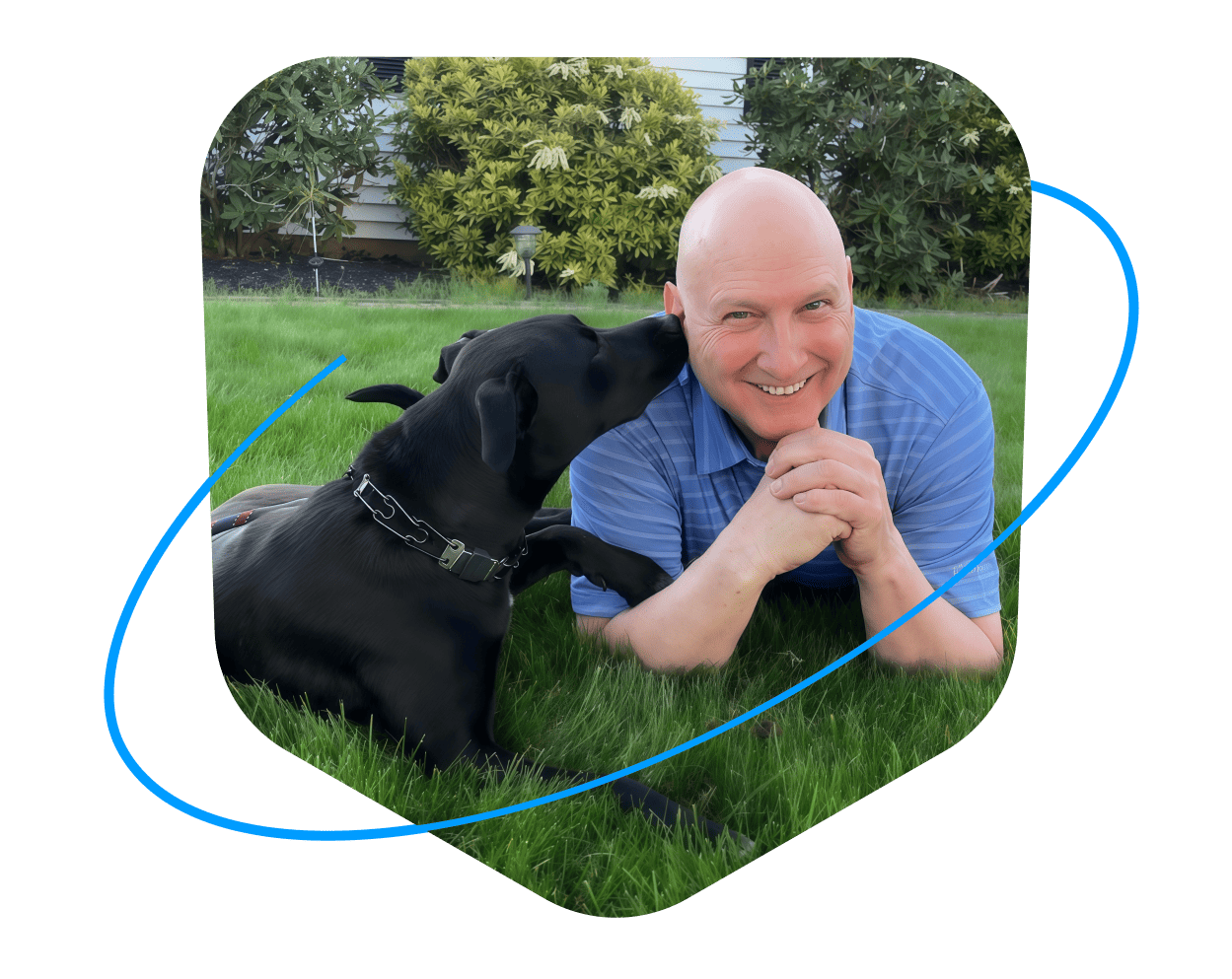
Personal dog trainer in Southington, Connecticut. Ten years of experience, more than 2,000 dogs trained, and a background training service dogs for Marines with PTSD.