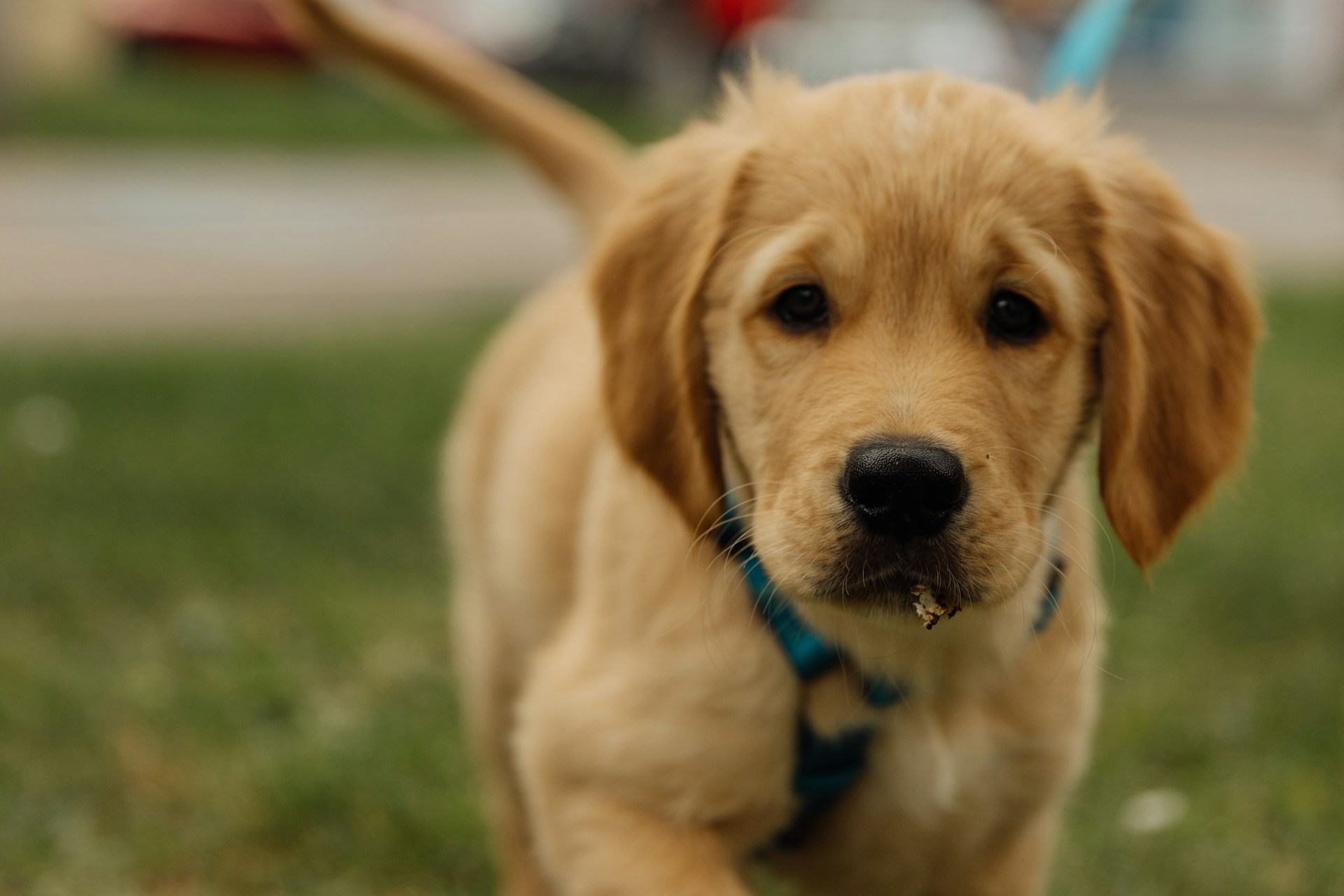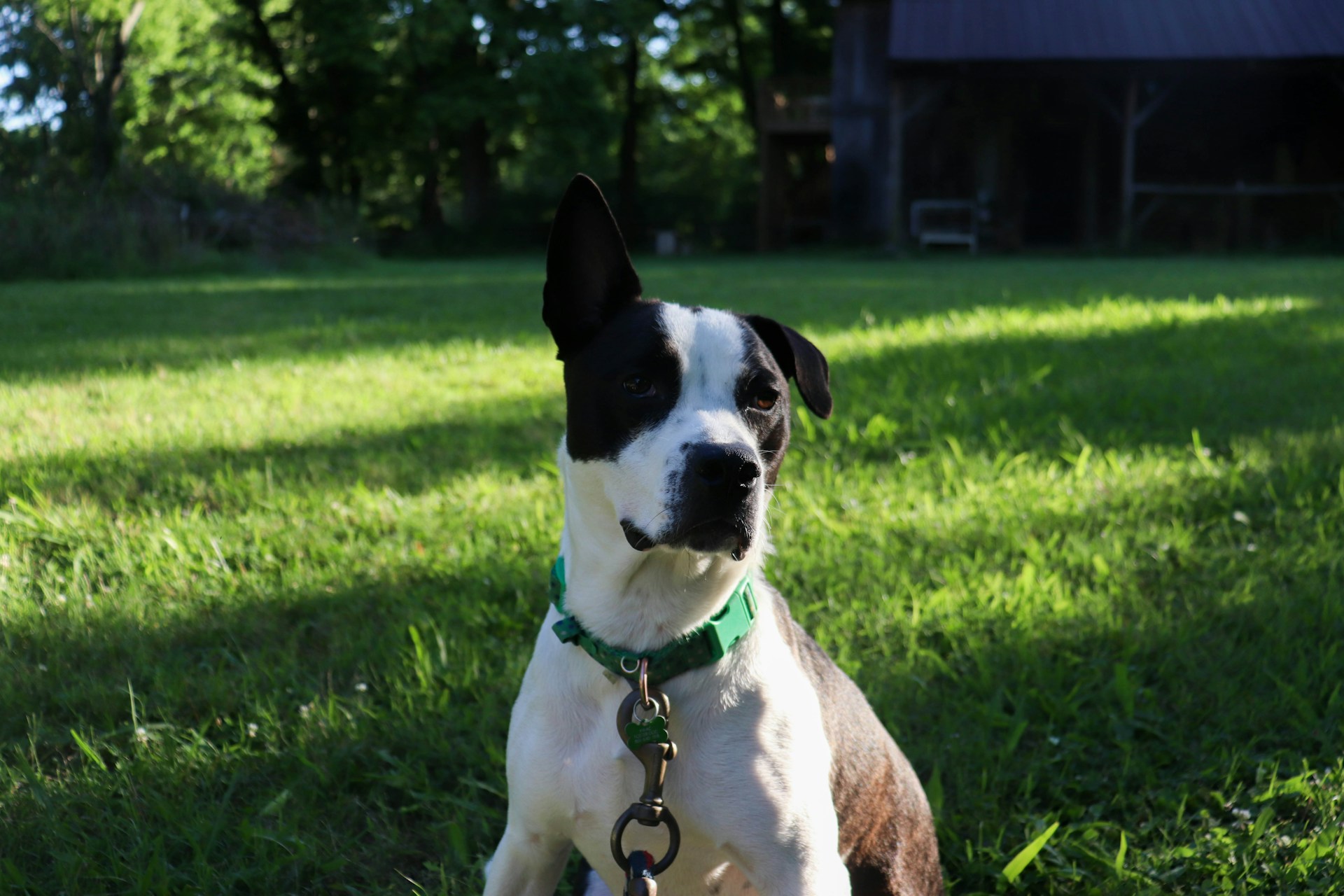

The camera app pings while you're at work. You open it and see your dog at the front door, scratching at the frame and howling. You left eleven minutes ago. When you get home, the same dog greets you with a wagging tail, and it's hard to believe the video was real.
That gap between the greeting and the footage is where dog separation anxiety training starts: with what your dog does after you leave, followed by short, planned absences your dog can handle calmly and grow from. The greeting tells you very little. The minutes after the door closes tell you far more. At Steve Good Dog, I work with owners in their own homes across Central Connecticut, where those minutes actually happen. Recorded footage can help you, your vet, or a trainer see the pattern clearly.
You'll learn how to read those first minutes. You'll also see where separation distress, noise fear, or a rescue dog's settling in may be part of the picture. You'll also see how a gradual training plan works, how to cover the absences you can't avoid, and when to bring in your vet or a trainer.
What Happens After You Leave?
Dogs with separation distress tend to show signs in the first half hour, and many start before you reach the door. The Merck Veterinary Manual notes that signs typically appear within the first 15 to 30 minutes after departure. Vocalizing often peaks early, while pacing and watching the exits come later.
Which Signs Show Distress During an Absence?
Canine separation anxiety looks different from dog to dog. Watch for patterns, and don't treat one chewed shoe as proof. Common signs of separation anxiety in dogs include:
- Destructive behavior aimed at doors, windows, crates, or your belongings
- Howling, barking, or whining that starts soon after you leave and keeps going
- House soiling in a dog who stays clean when you're home
- Drooling, panting, or pacing with no clear trigger
- Refusing food or a stuffed toy until you come back
- Trying to escape, sometimes with broken nails or sore gums
Clues can also show up when you return. Wet spots on the floor from drool or scratches low on the door frame are worth writing down. A dog who can't settle for a long time after you get home is another piece of the picture.
How Can a Camera Help You Spot When Distress Begins?
A camera shows you when the stress starts, and that timing shapes your whole plan. A basic pet camera, an old phone, or a laptop on a video call works fine.
Record a few normal departures and note these details:
- What your dog does while you pick up keys or put on shoes
- How many seconds or minutes pass before the first sign of stress
- Whether your dog settles, or the stress builds over time
- Any outside sounds, like a truck or a doorbell, right before a change
If your dog lies down and naps for 20 minutes, then starts barking at a delivery truck, that's a different story from panic at the 30-second mark. Save a few clips. They help a vet or trainer see what you see.
Is It Separation Distress or Something Else?
Separation distress happens because your dog is alone, and several other problems can look almost the same. A dog who chews while you're home, barks at every passing car, or had accidents from day one may need a different plan.
Does the Behavior Happen Only When Your Dog Is Alone?
Start by asking whether the behavior shows up while you're in the house. Chewing, digging, and barking at noises are all normal dog behaviors that happen with people home, too. A bored young dog left with nothing to do may shred a cushion without looking worried at all.
Try this simple check for a week:
- Does the behavior happen when you're in another room with the door shut?
- Does it happen when another family member stays home?
- Does your dog look calm and busy, or tense and frantic, on camera?
Some dogs are fine with any person around. Others fall apart when one specific person leaves. That detail helps shape who does the practice sessions and how you plan care.
Could Noise, Broader Fear, or a New Home Be Part of the Picture?
Noise sensitivity and separation distress often travel together. Merck points out a strong overlap between the two, and a scary storm while alone can start the problem. If your footage shows panic right after thunder or fireworks, dog noise anxiety training may belong in the plan.
A dog scared of everything, from new people to kitchen sounds, may be dealing with broader fear alongside distress when alone. The two can overlap, and a plan can address both at the same time. My guides on how to build confidence in a dog and how to train a shy dog cover the wider confidence side.
Rescue dog anxiety deserves patience. A dog in a brand-new home may pace, whine, or have accidents for weeks while learning the routine. Settling-in stress and separation distress can overlap, so it helps to track what you see rather than wait for one to pass. If accidents are part of the picture, my notes on how to potty train a rescue dog can support that side of the routine.
How Does Dog Separation Anxiety Training Work?
Dog separation anxiety training works by letting your dog practice being alone in doses so small the fear never switches on. Then you stretch the time slowly. Trainers call this systematic desensitization. Pairing it with good things is called counterconditioning, and together they form most separation anxiety training plans.
Find an Alone-Time Starting Point Your Dog Can Handle
Your starting point is the longest absence your dog handles with no stress signs at all. Your camera footage gives you this number. For some dogs it's five minutes. For others it's three seconds behind a closed bathroom door.
Set your first practice sessions shorter than that number. If your dog starts whining at 40 seconds, begin at 20. It can feel too easy. That's the goal, since every calm rep teaches your dog that being alone is safe.
Practice Departure Cues Without Leaving
Many dogs learn that keys, shoes, and a coat mean you're about to go. You can soften that link by using those cues without leaving. Pick up your keys, then sit on the couch. Put on your jacket and start the dishes.
Mix up the order and repeat through the day, only when your dog is relaxed. Watch the response. If your dog lifts their head and lies back down, good. If they get up and follow you to the door looking tense, go smaller, maybe just touching the keys. If your dog shows no worry at these cues, skip ahead to short absences.
Build Up Absences Gradually and Adjust to What You See
Once cues are easy, add short trips out of sight. A simple progression looks like this:
- Step behind an inside door for a few seconds, then return calmly
- Move to an outside door you don't use often, like a back door
- Step outside for a moment, then come back in
- Add seconds slowly, only after several calm reps in a row
Wait a few minutes between reps so your dog is fully calm before the next one. Keep your exits and returns low-key. The ASPCA's guide to separation anxiety lists stress signs to watch for, including panting, yawning, trembling, pacing, and a wild greeting. If you see any, cut the time back to where your dog was relaxed and move up more slowly.
Progress rarely goes in a straight line. A rough day can mean you stretched the time too fast, or that something else changed, so treat it as useful information.
When Might Rewards Help Change the Association with Being Alone?
Rewards help most when your dog is only mildly worried. A frozen stuffed toy that only appears when you leave can make alone time predict something good. Pick it up when you return so it stays special.
Watch whether your dog eats it, and look at the rest of the footage too. Eating doesn't prove your dog is coping; some dogs lick a toy while still pacing or whining. Skipping it doesn't prove anxiety either, since some dogs just aren't hungry. Put the toy together with body language, noise, and movement to judge the absence, and remember that food alone won't fix real distress. Positive reinforcement also helps outside these sessions, since short daily training builds communication and predictability.
What Should You Do About Necessary Absences?
Plan to keep your dog from being left alone longer than they can handle while training is underway. Repeated distress during long absences can make progress harder. It's a big ask, and most families need a mix of solutions.
Arrange Care When Your Dog Cannot Yet Manage the Time Alone
Many dogs with separation distress are fine as long as someone is with them. That opens up options:
- A family member or neighbor who can stay during work hours
- A dog sitter who comes to your home
- Doggy daycare, if your dog enjoys other dogs
- Bringing your dog to work, if your job allows it
- Shifting schedules so two adults cover different parts of the day
So how long can a dog be left alone during training? The honest limit is your dog's current calm number from the camera. For a dog who panics after two minutes, a two-hour errand needs a sitter. Plan the week ahead so you aren't making tough calls on a busy morning.
Choose a Comfortable Space Without Treating a Crate as a Cure
A crate helps some dogs relax and makes others panic, so let your footage decide. Crate training is a useful life skill, but many dogs with separation distress get more frantic inside one. Some dogs even hurt themselves trying to escape.
If your dog pants, scratches the door, or drools in a crate, try a gated kitchen or an exercise pen. Add a bed, water, and a chew. A different space can make time alone more comfortable, but it won't prevent panic on its own. The absence still needs to stay within what your dog can handle. If your dog already loves the crate and settles in it on camera, it can stay part of the setup. For dogs who need a gentle start, I explain how to crate train an older dog step by step.
When Is It Time to Get Professional Help?
Get help when your dog hurts themselves, panics within seconds, or doesn't improve after a few weeks of careful practice. Separation distress is one of the more common behavior problems, and you don't have to work through it alone.
Start with Your Veterinarian for Severe Distress or Possible Medical Causes
Book a vet visit first for severe separation anxiety or any sudden change. Pain, bladder problems, and other health issues can cause accidents, restlessness, or new fears. A dog who suddenly starts soiling the house at age eight needs a checkup before a training plan.
Your vet can also talk with you about medication. Some anxiety medications are approved for separation anxiety in dogs, and they can lower stress enough for training to take hold. Bring your camera clips to the appointment.
Which Professional Can Help You Build an Individual Plan?
Several kinds of professionals work with this problem, and they have different training:
- Veterinary behaviorists are vets with board certification in behavior. They can diagnose medical factors and prescribe medication.
- Certified animal behaviorists hold advanced degrees in animal behavior.
- A certified separation anxiety trainer (CSAT) has taken a specialty course focused on this one problem.
- A dog trainer with real experience in fear and anxiety can coach you through day-to-day practice.
For severe cases, veterinary behaviorists and trainers often work together. If you're unsure where your dog fits, my breakdown of a dog trainer vs behaviorist walks through the differences. Obedience skills like sit and stay are helpful, but they don't treat the fear on their own.
How Can In-Home or Remote Coaching Support Your Practice?
Separation training happens at home, so coaching there fits naturally. A trainer can watch your real exits, your door, and your dog's reactions. Then they can help you spot small stress signals you might miss.
I offer one-on-one in-home sessions and a remote option by laptop. My starting session is $250 for 1.5 hours, and a one-hour online session is $145.
Frequently Asked Questions
Can Separation Anxiety Be Trained out of Dogs?
Many dogs improve a great deal with gradual, patient training. Progress depends on how severe the distress is and how carefully you avoid long absences during practice. Some dogs also need medical support from a vet.
How Long Can a Dog With Separation Anxiety Be Left Alone?
Your dog can be left alone only as long as they stay calm on camera. For some dogs that's several minutes; for others it's seconds. Use sitters, daycare, or family help to cover longer stretches while you train.
Should I Crate My Dog When I Leave?
Only if your dog is relaxed in the crate on video. Many dogs with separation distress panic in crates and can hurt themselves. A gated room or exercise pen may feel more comfortable, but no space prevents panic if the absence is longer than your dog can handle.
Can Online Training Help With Separation Anxiety?
Remote coaching can support this work, since the practice happens at home anyway. Video of your departures helps a trainer see what happens after you leave. That makes it easier to adjust each step based on what your dog shows.
When Should I Ask a Vet About Medication for Separation Anxiety?
Ask your vet if your dog panics within seconds, injures themselves, or stops eating when alone. Also ask if training alone isn't making progress after several weeks. Medication can lower stress enough for your dog to learn.
Start with What Your Dog Can Handle Today
Real progress comes from the amount of alone time your dog can manage calmly right now, even if that's only a few seconds. It doesn't come from the greeting at the door or from pushing through a long day. Your camera shows you that number, and every calm rep builds on it.
Cover longer absences with sitters, daycare, or family help so your dog isn't pushed past their limit. Check in with your vet about possible health factors. Then practice small, steady steps and let your dog's behavior tell you when to add time.
If your dog is still struggling, a one-on-one session in your own home can help you see the next step. You can ask about separation anxiety training for your dog and describe what happens after you leave. You can also learn more about in-home dog training in Connecticut, in person or online.

Personal dog trainer in Southington, Connecticut. Ten years of experience, more than 2,000 dogs trained, and a background training service dogs for Marines with PTSD.