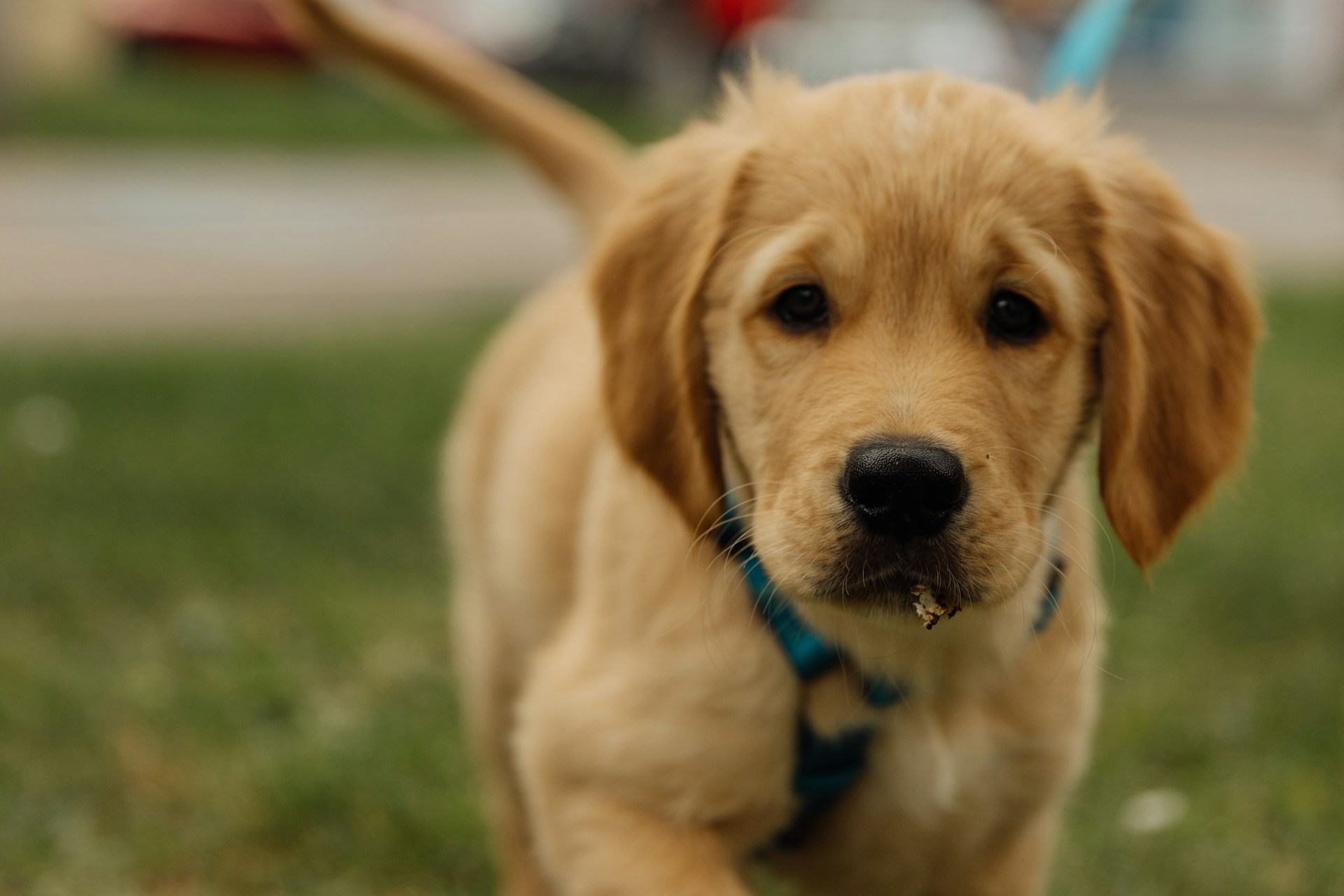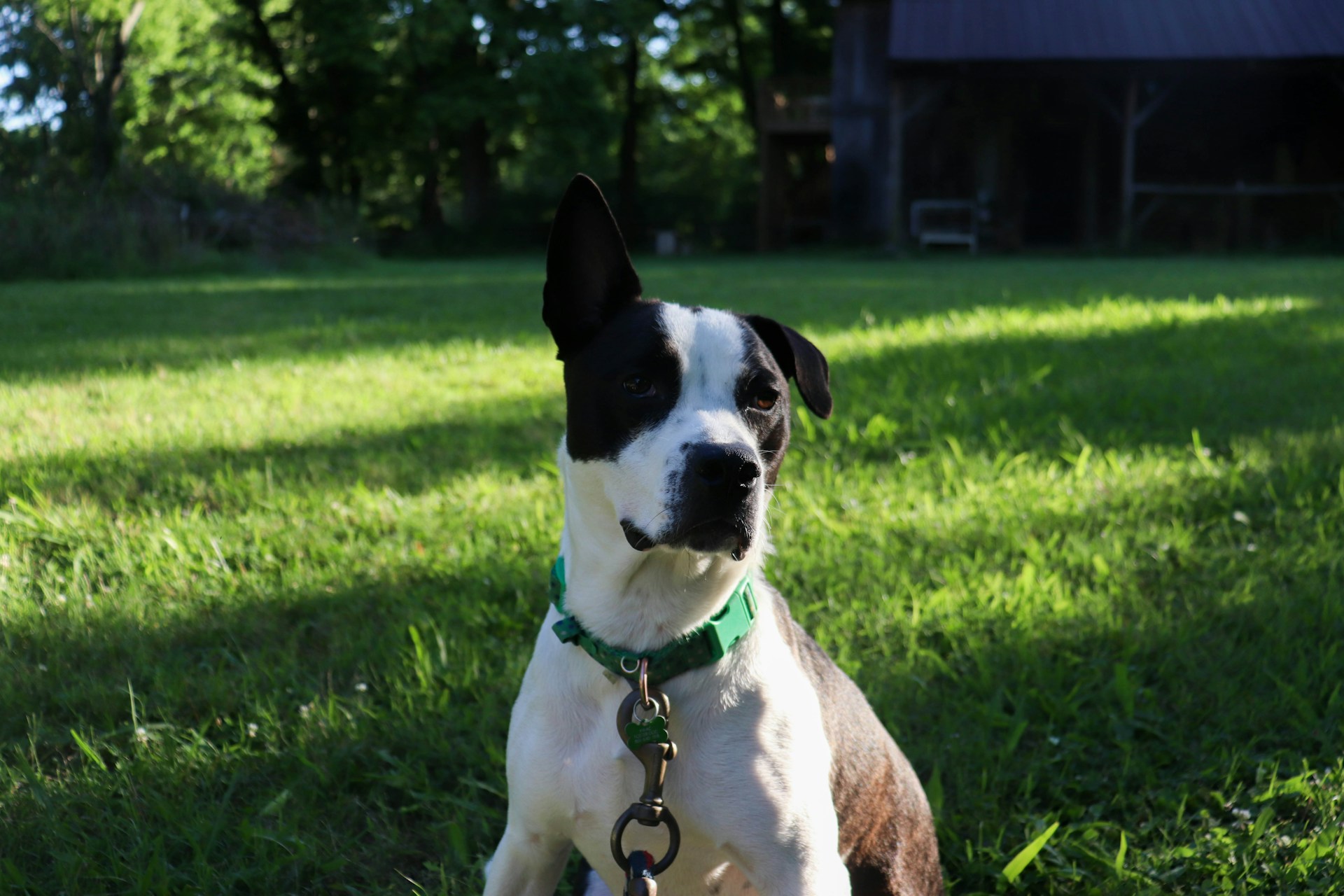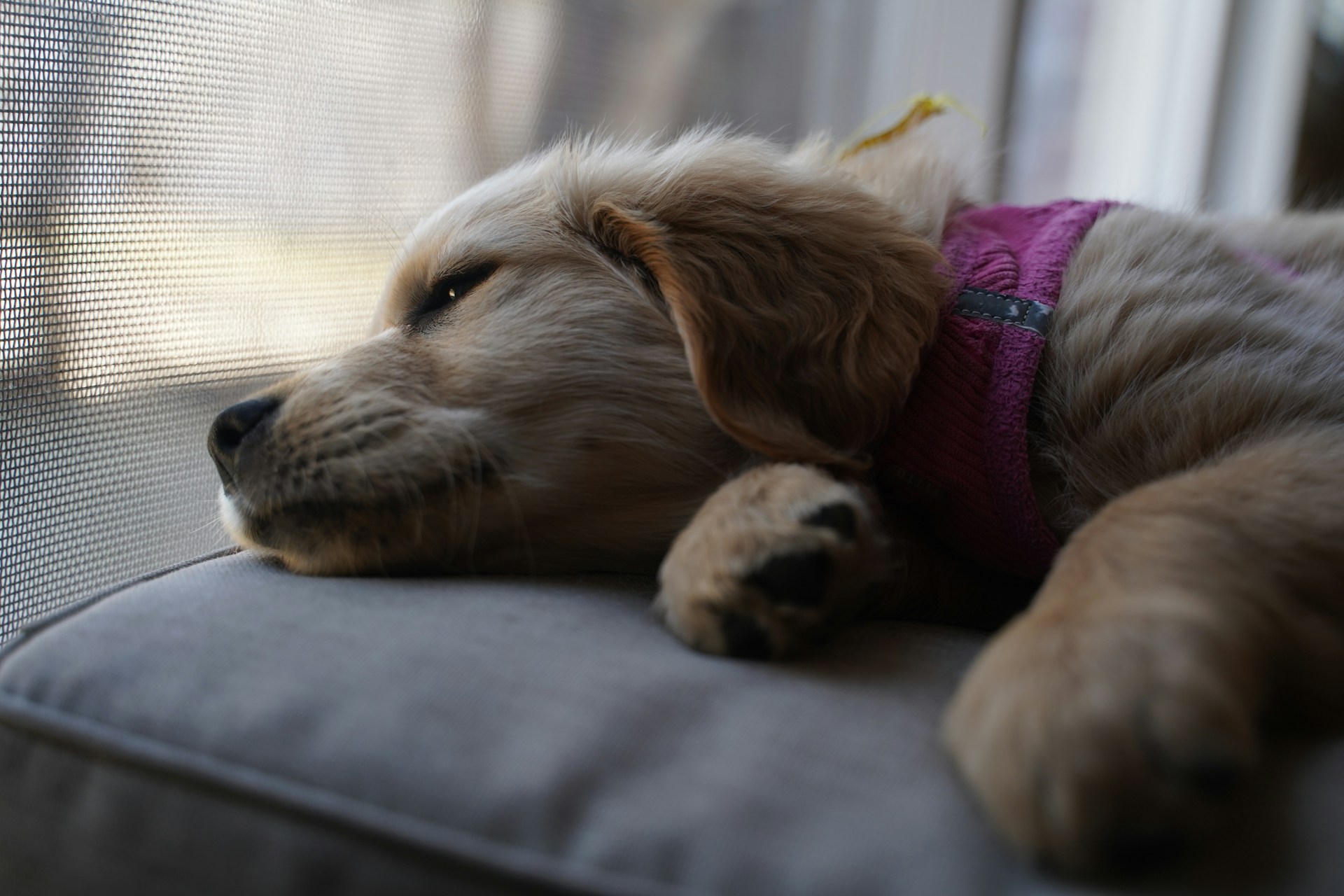
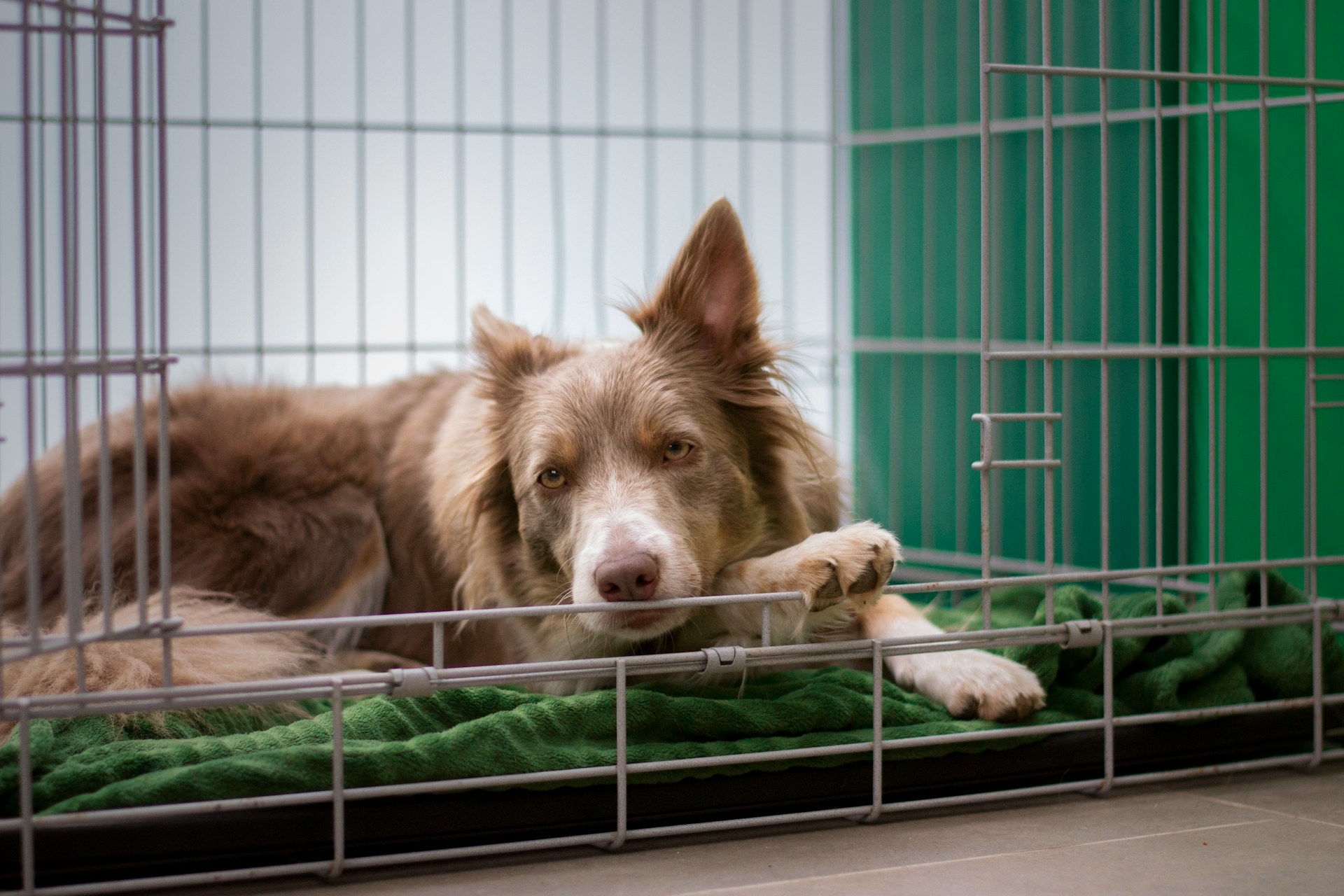
Many older dogs who have never seen a crate pause at first: they sniff the doorway, step back, and look at you. That pause tells you a lot. An adult dog brings years of habits, a body that may be stiff or sore, and sometimes a past you know little about. So the question of how to crate train an older dog starts with patience and careful watching, well before you close any door.
You crate train an older dog by picking a roomy, comfortable crate, letting the dog choose to walk in for food and rewards, and then adding door time in very small steps he stays calm through. The dog's body language decides when you move forward, when you slow down, and when a crate is the wrong fit altogether. Some adult dogs come to love their crate as a den. Others do better with a gated room, and that is a fine result.
By the end, you will know how to set up the crate, how to build a positive link with it, how to read your dog's response at each step, and what crying or chewing during absences may be telling you. You will also know when it makes sense to bring in help.
Choose a Crate That Fits Your Dog's Body and History
The right crate for an older dog is roomy, stable, and placed where he already feels safe. A crate that pinches his hips or rattles when he shifts will set training back before it starts. Think about two things before you buy: his body today and what confinement may have meant to him before.
Can Your Dog Stand, Turn, and Rest Comfortably?
Your dog should be able to stand without ducking, turn around easily, and lie flat on his side with his legs stretched out. To size it, measure from the tip of his nose to the base of his tail for length. Then measure from the floor to the top of his head for height. Add a few extra inches to each measurement, so he can stand, turn, and lie stretched out comfortably. The Association of Professional Dog Trainers (APDT) suggests that when you are unsure, a crate that is too big beats one that is too small.
Older bodies add a few extra checks:
- Joints: A dog with stiff hips needs a thick, supportive bed and a low entry lip he can step over.
- Floor grip: Place the crate on a rug if your floors are slick, so he does not slide when he gets up.
- Temperature: Keep it away from heat vents, drafty doors, and sunny windows.
- Collar safety: Remove his collar, harness, and any attached leash before he goes in, since they can catch on the crate.
Watch how he lies down once he is inside. If he circles several times, stays sitting, or shifts often, the bed or size may be wrong. Adjust that first.
What Might Make a Senior or Rescue Dog Hesitate?
Hesitation around a crate can come from many places, so avoid guessing at one cause. A rescue dog may have spent weeks in a shelter kennel. A senior dog may have trouble seeing inside a dark crate. A dog with sore joints may dislike the hard floor. Some dogs have simply never been in a small space and find it strange.
You can learn more by watching small details. Does he stretch his neck in but keep his back feet planted? Does he freeze if the crate makes a noise? Does he only avoid it in one room? Each answer points to a different change you can try, like moving the crate, adding light, or softening the floor.
For a dog who is nervous in general, the ideas in how to train a shy dog pair well with crate work. And if your rescue is also new to house rules, placement near the door you use for potty trips helps.
Make Entering the Crate Your Dog's Choice
An older dog accepts a crate faster when walking in is his own idea. Pushing, luring him in and slamming the door, or using the crate after a scolding all teach him to avoid it. Your job in this stage is to make the crate the best spot in the house, with the door wide open.
How to Crate Train an Older Dog Who Avoids the Door
Start by taking the door off, or tying it fully open so it cannot swing and startle him. Then work in small steps:
- Toss a treat near the crate, not inside. Let him eat and walk away.
- Toss the next treat just inside the doorway.
- Place treats a bit deeper each time, so he steps in with his front feet.
- Let him back out whenever he wants. Do not block the exit.
- Stop after a few minutes, while he still wants more.
If he grabs a treat and bolts, he may still feel uneasy. Stay at that distance, or a little farther back, for a few sessions before asking for more. If he will not go near the doorway at all, move the treats back out a few feet. Being close is the first win.
Use Meals and Rewards to Build a Positive Association
Meals are one of the easiest ways to build a good feeling about the crate. Set his bowl just inside the door, then a little deeper over the next days. Many dogs will eat their dinner inside and then lie down to rest there.
A food puzzle toy stuffed with something tasty keeps him busy inside for longer. Try soft cheese, plain yogurt, or wet food mixed with kibble. Freezing it makes it last. Give that toy only in the crate, so the crate becomes the place where the best treats show up.
You can also leave a familiar, safe chew inside with the door open while you stay nearby. Let him find it on his own. When he starts napping in the crate without being asked, that is a good sign the link is forming.
Add a Cue Only After Your Dog Enters Willingly
Wait until he walks in happily on his own before you give the behavior a name. Pick a short word like "bed" or "crate." Say it once as he steps in, then reward him inside. After a few days, say the cue just before he moves and reward when he goes in.
If he stops going in once you add the word, you moved too fast. Go back to rewarding free choices for a while. Clear timing like this is the core of the reward-based approach explained in positive reinforcement vs. dominance training. Crate training an older dog goes better when he trusts that the cue always means something good.
Close the Door and Build Time at Your Dog's Pace
Closing the door should feel like a small, boring step to your dog. You get there by keeping each session short enough that he stays relaxed from start to finish. This is the stage where most owners rush, and it is where learning how to crate train an older dog pays off most.
Start with Seconds While You Stay Nearby
Once he is lying calmly inside with a chew, swing the door shut for about five seconds. Then open it before he asks to leave. Repeat. When he stays calm for five seconds, try ten, then twenty, then longer.
Sit right next to the crate at first. Read, watch TV, or fold laundry nearby. Talk to him now and then in a calm, happy voice. You want the closed door to mean "we are hanging out," with nothing scary about it.
Signs he is ready for more time:
- He keeps chewing or eating when the door closes.
- His body is loose and he may lie on his side.
- He does not stare at the latch or paw the door.
- He stays settled when you open it.
Practice Moving Away Before Leaving Home
After he rests calmly for several minutes with you close, start stepping away. Walk to the kitchen and come back. Then go to another room for a minute. Mix short trips with longer ones so he cannot predict when you will leave.
Practice your normal leaving routine without going. Pick up keys, put on shoes, then sit back down. Many dogs learn these cues mean you are leaving. Making them dull helps if he already gets tense when you get ready.
Calm behavior while you are nearby does not mean he is ready to be alone. Your first real departures may need to last only seconds, like stepping outside and coming right back. Use a camera to watch how he does, and add time only as he stays comfortable. The goal is a dog who rests easily for the time he actually needs to be crated, not a full workday in a crate.
Let Your Dog's Response Guide the Next Session
End every session by noting how he did. Calm the whole time? Add a little next time. Whining near the end? Keep the next session a bit shorter. Panting, drooling, or frantic pawing? Stop and go back several steps.
Never leave a panicking dog in the crate to "wait it out." A dog who is scared does not learn that the crate is safe. He learns that it is where fear happens. A simple log of time, distance, and his behavior helps you see patterns across days.
When Confinement Makes Things Worse
Some dogs get more upset in a crate, and that tells you to rethink the plan. A crate works well for dogs who see it as a safe resting spot. For others, being closed in adds stress that looks like crying, chewing, or escape attempts.
What Do Crying or Destruction During Absences Tell You?
Crying or destruction while you are gone is a reason to look closer. It does not prove a crate will fix things. A dog who cries when left alone may be bored, may need a potty break, may be sore, or may be anxious about being apart from you. A dog who destroys things when left alone can have just as many reasons.
A key clue is timing. Watch if the behavior happens only when you are gone, or when you are home too. The ASPCA notes that for older dogs, the confinement itself can cause the anxiety if the dog has never been crated or cannot get comfortable.
Warning signs to take seriously:
- Bent wire, bloody gums, or scraped paws after time in the crate
- Heavy drooling or a soaked chest when you return
- Soiling in the crate from a dog who is house trained
- Refusing food or a stuffed toy only when you are away
A phone camera or pet camera helps a lot here. Watching the first few minutes after you leave shows you what is going on.
Try a Gated Room or Another Safe Resting Space
If the crate is not working, a gated room gives many dogs a safer setup. A kitchen, laundry room, or spare bedroom with a baby gate lets him move, stretch, and change spots. Remove anything he could chew and hurt himself with.
Other options include an exercise pen around his bed, or a quiet room with the door left open to a gated hall. Keep his bed, water, and a food toy there. Use the same slow steps you used with the crate: short stays with you nearby, then longer ones.
If he settles better in the larger space, that is useful information. Some dogs relax once they are no longer closed in. A gated room can ease distress about confinement, but it does not resolve separation anxiety on its own. For dogs still learning potty rules, the tips in how to potty train a rescue dog help you set up the room.
When Should You Ask for Training or Veterinary Help?
Start with your vet if the change is new, if your dog is a senior, or if he has accidents. Pain, vision loss, and other health changes can all show up as new stress or restlessness. A vet can rule those out before you plan training.
Bring in a professional dog trainer if he panics even with short, slow steps, or if you are not sure what you are seeing. Some owners also seek a certified dog trainer or a veterinary behaviorist for severe cases. A veterinary behaviorist is a vet who can also discuss medication when anxiety is intense.
When the main problem is being alone, training for separation anxiety works on the cause. Building his general confidence helps too, and how to build confidence in a dog has ideas for that.
Frequently Asked Questions
Can a Dog Be Too Old to Crate Train?
No, most dogs can learn to use a crate at any age. Older dogs may need more time, softer bedding, and shorter sessions. If a senior dog stays stressed even with slow practice, a gated room may suit him better.
How Long Can an Adult Dog Stay in a Crate?
A common daytime planning reference is no more than about four to five hours at a stretch for adult dogs. That is not a target or a guarantee of what your dog can handle. His toileting needs, health, comfort, and breaks decide the real limit, and seniors often need breaks more often. Plan midday breaks or a dog walker on long days.
Is It Okay to Crate a Senior Dog at Night?
Yes, if he is calm and comfortable in the crate during the day first. Place it near your bed so he knows you are close. If he paces, pants, or whines at night, check with your vet, since nighttime restlessness in older dogs can have medical causes.
Does Putting a Blanket Over a Dog Crate Help?
A blanket over a wire crate helps some dogs relax by blocking busy sights. Leave the front partly open for airflow and so he can see you. Use one only while you can supervise, and remove it if he pulls it in or chews it.
Can a Crate Help With Potty Training an Older Dog?
Yes, if he is already comfortable in the crate and can stay clean for that length of time. Most dogs avoid soiling where they rest. Take him outside right after he leaves the crate and reward him for going there. If accidents start suddenly in a dog who was trained, see your vet first.
Let Comfort Set the Pace
The dog who paused at the crate door on day one is telling you what he needs. When you size the crate well, let him choose to go in, and add time only while he stays calm, many older dogs come to treat the crate as their own quiet room. When he tells you the crate is too much, a gated room is a fair and kind answer.
Leaving a dog home alone goes best when his comfort drives every step. Keep sessions short, watch his body, and back up without guilt when he struggles. If you want help with manners beyond the crate, dog obedience training builds the skills that make home life easier.
If your dog is still crying, chewing, or refusing the crate, a one-on-one session in your own home lets Steve Good Dog see the setup where the problem happens. You can ask about in-home help with crate training, describe what your dog is doing, and learn how he would approach it.

Personal dog trainer in Southington, Connecticut. Ten years of experience, more than 2,000 dogs trained, and a background training service dogs for Marines with PTSD.